The post Gut Check: Best Foods for Gut Health appeared first on HUM Nutrition Blog.
]]>“We are learning more and more every day about the impact the gut has on all aspects of health from hormones to brain function,” Dr. Kate Denniston, ND naturopathic doctor and founder of Los Angeles Integrative Health, tells us. “There are actually more microbial cells than human cells in your body. Most of these microbes come from the gut microbiome.”
Pretty cool, right? So, how do those cells impact our gut health? “These microbes largely impact our immune function, the extraction and manufacture of nutrients from food, our hormones, mood, and even our brain health.” We don’t want this information to overwhelm you, but the more you know, the better prepared you are to keep your gut at its best.
Let’s get into the best foods for gut health that can help us on this journey.
Fiber Filled Foods are the Key
“Most Americans consume half of the fiber that we need for a healthy gut,” Denniston shares. This is quite unnerving, considering the importance of fiber to our overall health. However, there are guidelines that can be reached whenever you’re ready to add more fiber to your daily routine. “Most people should be consuming about 25-30 grams of fiber per day to feed the good bacteria and keep the gut microbiome healthy,” she advises.
Getting enough fiber and feeding your gut good bacteria can also impact food sensitivity. How? “If we don’t have enough good bacteria to keep the gut lining healthy, we can become sensitive and react to certain foods. So, while the foods may seem like the problem, the issue really is an imbalance of gut bacteria. Once the gut microbiome is supported, people tend to react less to certain foods.”
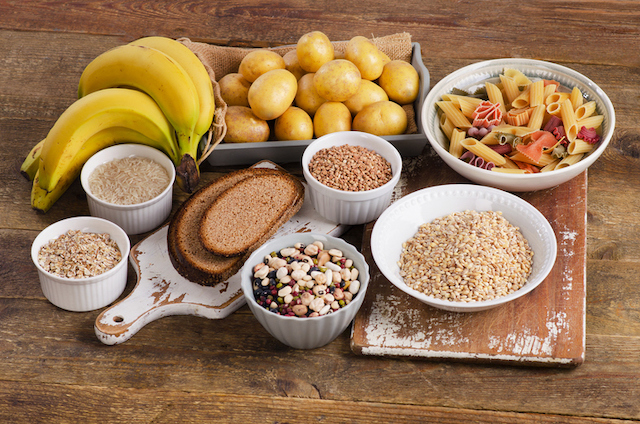
Beans
“Beans are underrated superfoods for the gut microbiome,” Denniston shares. Beans are also a great way to get your daily dose of fiber! Why? “Beans contain a special type of fiber that feeds the good bacteria in the gut,” she tells us. “Research shows that beans increase good bacteria in the gut and support a healthy gut lining.” Additionally, beans support the strength of the gut lining and help prevent a “leaky gut.”
While beans do feed good bacteria in the gut, they’re often linked to bloating and gas. There are a few remedies to combat this. First, soak and cook the beans before you eat them. Additionally, remember to rev up your water intake and add a supplement like Flatter Me to your post-meal mix to help reduce bloating and support digestion.
Bananas
Bananas are known for everything from fueling the body with potassium to soothing an upset stomach. The fruit’s ability to soothe the gut is thanks to its high pectin content. Additionally, this soluble fiber-rich fruit helps with digestion, can even lower cholesterol, and helps improve blood sugar levels in addition to reducing bloating.
Berries
Berries aren’t only tasty but are among the best foods for gut health because they contain abundant polyphenols. What are polyphenols? It’s a plant compound with antioxidant properties that studies show help reduce inflammation. Blueberries, raspberries, blackberries, and strawberries are all rich in polyphenols and create what Denniston calls feed good bacteria in the gut like Akkermansia muciniphila [a mucin-degrading bacterium found in the gut]. “Through their impact on certain beneficial bacteria, these foods improve metabolism, blood sugar regulation, and the health of the gut lining.”
Pomegranate Seeds
Pomegranate seeds are another polyphenols-rich food on Denniston’s list because, like berries, they offer beneficial bacteria, improve metabolism, and provide blood sugar regulation. With all those benefits, we can’t forget to mention the antioxidants layered into these tiny seeds, offering protection from free radicals, which can contribute to many chronic diseases.
Asparagus
Asparagus is a prebiotic food. What does this mean? The green veggie can help keep the good bacteria in your gut and a healthy microbiome balance. Add a little olive oil to a pan alongside garlic (also a gut-loving food), and you have a gut-healthy side dish in minutes.
Beets
In all their rich purple-hued glory, beets are abundant in fiber, which Denniston says is essential for supporting gut health. Additionally, beets are rich in glutamine, an amino acid that studies find helps reinforce the gut microbiome and gut mucosal wall integrity while regulating inflammatory responses.
Kimchi
Fermented cabbage, better known as kimchi, is always at the top of the list of goods to promote optimal gut health. Because fermentation provides postbiotics—non-living metabolites—that help maintain a balanced microbiome, leading to optimal digestive health. You can eat kimchi with everything from scrambled eggs to a veggie-filled rice bowl. The meal options are endless.
Quinoa
Quinoa became a buzzy grain as social media wellness grew. And, unlike some things that become popular overnight, this grain is the real deal when it comes to being among the best foods for gut health. Studies find that quinoa provides an excellent source of protein and packs fiber and magnesium, making it optimal for maintaining a balanced gut.
How long does it take to see the benefits of adding gut-enriching foods to the body?
“The gut microbiome reacts pretty quickly when introducing new foods,” Denniston tells us. “So you may start to see benefits in just a few days. However, healing the gut lining may take up to a couple of months to see the full benefits.”
Final Takeaway On healthy Foods for Your Gut…
Increasing fiber is the way to a healthier gut. And food is the best way to start to make that change! As you increase your fiber with foods like broccoli, oats, quinoa, Brussels sprouts, sweet potatoes, beets, and bananas, Denniston advises doing so slowly to give your microbiome time to adjust. Be sure to take HUM’s Gut Instinct to help achieve a more balanced gut in addition to consuming gut-friendly foods.
The post Gut Check: Best Foods for Gut Health appeared first on HUM Nutrition Blog.
]]>The post Gut Health and Healing: What You Need to Know. Plus, tips from a Holistic Doctor appeared first on HUM Nutrition Blog.
]]>Before we get to that, let’s discuss how you know your gut is in need of healing. Dr. Elena Ivanina, a board-certified gastroenterologist who specializes in holistic natural cures for gut conditions and health and is the founder of the Center for Integrative Gut Health in New York City, says a gut that’s out of whack is often pretty easy to spot, thanks to digestive symptoms (think: gas, bloating, etc.). However, she notes signs outside of our gut can reflect our gut health. Acne, rosacea, rashes, hair loss, brain fog, joint pain, and more can all crop up when the gut requires TLC.
“These extraintestinal manifestations of our gut health often come from an abnormal microbiome (dysbiosis) and leaky gut (intestinal hyperpermeability).”
Now that we have more expert-backed details into how our gut impacts our overall health let’s talk about the steps to healing gut health on your own.
Find the Root Cause
Ivanina says the first step to a healthier gut is understanding the root cause of what your body is experiencing, and journaling, she says, can be one of your first steps. “Looking at factors such as diet, sleep, stress, and direct gut toxins such as alcohol and other medications that may impact your gut health [is helpful],” she explains.
Like looking at personal journal entries from yesteryear, Ivanina tells us reviewing your entries can reveal a clear cause and give a fuller picture of your habits so you can start to remove things to see how they affect your gut. As you venture through this introspective health journaling, she says, “Most people benefit from the guidance of a gastroenterologist and testing, from endoscopy and colonoscopy to SIBO breath tests.” So, don’t be afraid to reach out to a professional as you begin this journey,
Make Changes to Your Diet
You’ve probably heard this before, but diet is the base of gut health. Sorry, there’s no way around it! So, what does your body need? Fiber is a biggie. Why? “Fiber feeds your gut bugs so they can produce things like butyrate that keep your gut alive,” Ivanina explains. Before you get turned off by fiber-feeding your gut bugs, remember your gut is a living, breathing thing. One surprising piece of information Ivanina shares is that studies have shown that diet plays an even more influential role than your genes.
Here’s How to Eat More Fiber For Gut Health
“The most important source of pre and probiotics for your gut are from food,” Ivanina shares. So, how much fiber do we need to consume a day? “Guidelines recommend to aim for 25 grams for women and 38 grams for men each day, although there are people who consume upwards of 100 grams, so it’s a good initial goal,” Ivanina explains. 100 grams? That sounds like a lot.
Well, it’s not as lofty of a goal as you think. Adding more vegetables to your meals is one of the easiest ways to get more fiber in your diet. Artichokes, brussels sprouts, kale, beets, collard greens, and sweet potatoes top the list of fibrous veggies. Additionally, popcorn, apples, berries, chia seeds, and almonds make for ideal snacks and additions to meals to up your fiber intake without sacrificing taste! As you add more fiber to your diet, remember to drink lots of water to prevent bloating.
Focus on the Three P’s For Gut Health
“Gut health foods focus on the 3Ps: Prebiotics, probiotics, and polyphenols,” Ivanina explains. “Prebiotics are plant fiber that feeds your good gut microbes such as garlic, onion, and artichoke.” Lucky for us, garlic and onion are very easy to layer into your diet in dishes that can take you from your first meal of the day with an easy whipping up of scrambled eggs into dinnertime.
Next up: Probiotics. “Probiotic foods are fermented or cultured foods that contain live cultures of bacteria such as kimchi, sauerkraut, and yogurt,” Ivanina adds. Fermented food can be an acquired taste, but finding ways to incorporate it into your diet can be ultra-healing for the gut.
Lastly, Ivanina shares polyphenols, compounds naturally found in plants such as fruits, vegetables, herbs, spices, tea, and dark chocolate, that can act as antioxidants, reduce inflammation, and are essential players in yielding a healthier gut. Ginger, peppermint, fennel, and black tea are among the best teas for a healthier gut. Spices such as turmeric, ginger, cinnamon, peppermint, licorice root, and oregano are also great for gut health.
Limit Processed Foods and Alcohol
“The biggest gut health disruptor in food is processed food, including emulsifiers, food dyes, and anything that is unnatural,” she tells us. Two of the most problematic items on the list are dairy intolerance and alcohol. “Dairy and gluten are very common gut irritants, and alcohol is a direct toxin to the gut, making its elimination an easy target if focusing on gut health.”
Tailor Your Supplements to You
Prebiotic and probiotic supplements like HUM’s Gut Instinct and Flatter Me can be helpful additions to your journey to a healthier gut. However, Ivanina advises an approach tailored to your unique needs, noting: “There is no ‘one size fits all.'”
The Takeaway
Even though our gut is out of sight, that certainly doesn’t mean it should ever be out of mind because of the impact it has not only on our digestion but our overall health. As Ivanina stated, there is no one-size-fits-all to managing a healthy gut. But there are expert and science-backed steps that can help your head in the right direction.
It might be tempting to throw out your entire diet and start anew because “New year, a new me, right? ” Well, that approach rarely yields long-term results, so a food journal is a great place to start. Next, move onto tangible yet small incremental changes like cutting back on dairy and alcohol, eating more veggies with each meal, and snacking on popcorn to get more fiber into your diet to feed your body those necessary bugs to get your gut feeling its best long term.
The post Gut Health and Healing: What You Need to Know. Plus, tips from a Holistic Doctor appeared first on HUM Nutrition Blog.
]]>The post Is Coconut Oil Good for Your Hair? appeared first on HUM Nutrition Blog.
]]>To learn more, I spoke to trichologist and founder of Alodia Hair Care, Isfahan Chambers-Harris, PhD, to get the details on the fatty acid-rich oil.
Is Coconut Oil Good for Your Hair?
Coconut oil is credited with the ability to promote the growth of longer, stronger hair. For this reason and others, coconut oil-based hair masks and daily treatments are very popular.
First, coconut oil is antimicrobial. It’s also rich in fatty acids, making it beneficial not only for your hair, but also your scalp and body. Additionally, Dr. Chambers-Harris notes that coconut oil contains a high amount of lauric acid that can help prevent the loss of protein in the hair.
There are also studies that cite coconut oil as a natural form of sun protection for the hair.
Next, “coconut oil’s structure allows it to penetrate hair in ways that other oils aren’t able to. [This] is why some people notice amazing results relatively quickly,” Dr. Chambers-Harris shares.
Lastly, studies also confirm that it can help prevent breakage when used as a pre-poo treatment. It minimizes the damaging effects of hygral fatigue (the repeated swelling and drying of the hair cuticle).

Is coconut oil good for all hair types?
“Typically, those with fine- to medium-textured hair will reap the benefits of coconut oil, as it promotes stronger, shinier hair with more volume,” says Dr. Chambers-Harris.
However, if you have coarse, low-porosity hair, this type of oil might make your hair dry and brittle. In that case, rest assured that there are other oils better suited for you.
Other Oils to Benefit Your Hair and Scalp
If your hair doesn’t respond well to coconut oil, Dr. Chambers-Harris highly recommends avocado and jojoba oils.
Avocado Oil for Nourishment + Repair
“Avocado is extremely nourishing to the hair. [It] can deeply penetrate the strands as opposed to just lying on top of the hair,” she shares.
Prone to split ends and breakage? She that avocado oil can help mend split ends and reduce breakage.
Jojoba Oil for Dandruff + Inflammation
For those who are prone to dandruff, Dr. Chambers-Harris recommends jojoba oil. “Jojoba is great because it mimics the natural oils (aka sebum) that the scalp produces. [This oil] has anti-fungal properties that can be highly effective in treating scalp conditions like dandruff and inflammation.”
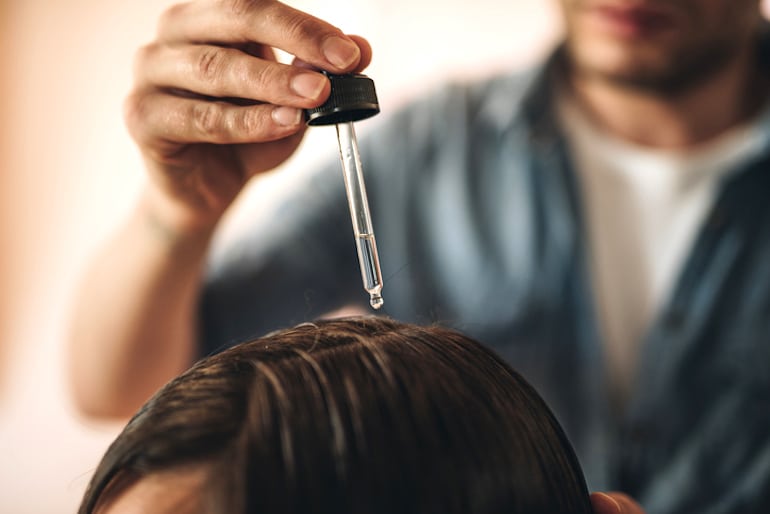
How to Apply Oil to Hair
“I always recommend using oils as a pre-poo treatment so there isn’t a heavy film of oil left on the scalp,” she says. For those who enjoy oiling their scalp, Dr. Chambers-Harris recommends investing in a treatment like Alodia’s Nourish & Grow Healthy Hair and Scalp Oil, which is formulated to treat the scalp without causing buildup.
In the mood to mix up your own hair treatment instead? Dr. Chambers-Harris recommends using light oils such as jojoba, marula, safflower, or argan.
“Be sure to apply the oils with a dropper bottle,” she shares. Use “only about six to eight drops of oil on your whole scalp, two to three times a week, to prevent buildup.”
The post Is Coconut Oil Good for Your Hair? appeared first on HUM Nutrition Blog.
]]>The post How to Dry Natural Hair with a Diffuser appeared first on HUM Nutrition Blog.
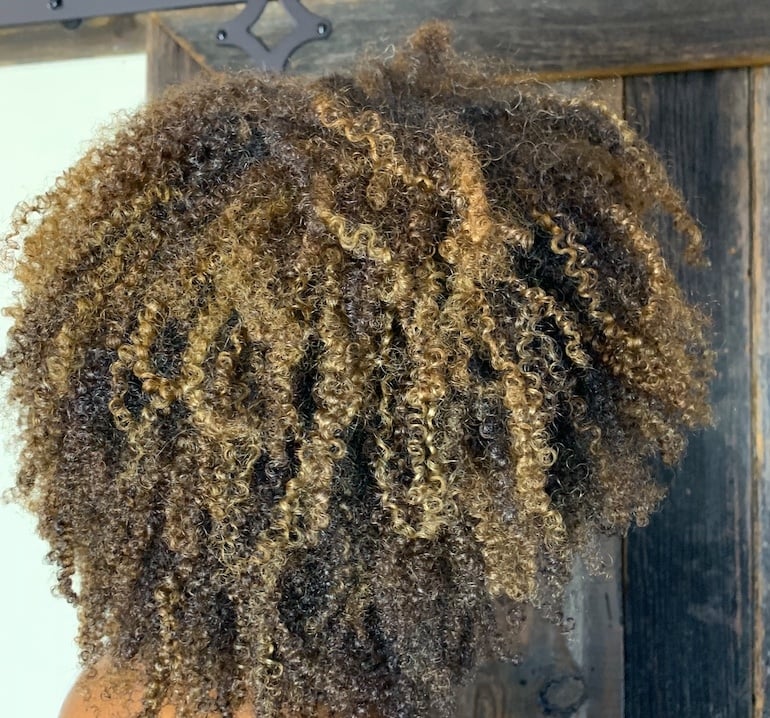
]]>
First, Consider A Hooded Dryer
With relaxed hair, sitting under a hooded dryer is expected at home and at the salon. However, Robin Sjoblom, owner of Southern Curl Inc., says that curly hair types can also benefit from sitting under a hooded dryer—especially dense 4c curls. “All hair responds better under the hood dryer because of how it dries the hair,” Robin explains. “Depending on the density of hair in the 4c range and [your] home maintenance regimen, you’ll see more defined curls when you sit under a dryer versus diffuse drying,” she shares. “The ionic hood dryer gives you evenly distributed air,” meaning that neither the air nor your curls move around. “It allows the hair to set evenly, and the product has the opportunity to penetrate the hair shaft.” For that reason, “I think all curl girls should have a hood dryer for their self-care hair day,” she says. Still, diffusing has its own styling merits.use a diffuser for volume
If big hair is your ultimate goal, Sjoblom recommends diffusing. “If you want to see more definition and let your curls expand over time, then the ionic hood dryer is your friend,” she advises. But “if you want defined curls with more blow-up fullness, use your ionic blow dryer and [a] diffuser.” Just know that what type of blow dryer and the technique you use on your hair will largely determine the end result. “Products matter, [but] a good blow dryer makes a big difference,” she says.How to dry Natural Hair with a diffuser
Here’s the best way to dry natural hair with a diffuser for volume:1. time your product correctly
The road to hydrated, defined curls starts before you even think about drying your hair. The products you select are one of the major components. However, timing of product application is also key. If you’re like me and have low-porosity hair, Christina recommends applying products only when the hair makes a “squish” sound. When you work product from root to tip, that sound is an indicator that your hair is wet enough to layer the products for an optimal result.2. Use the LOC Method
Robin recommends the LOC method for ordering your hair products. Start with a leave-in conditioner or liquid, then apply any oils, and use cream last. To prevent frizz, she advises adding a sealer, such as a gel or light holding liquid. In my case, we used Original Moxie Pop Life Volumizing Mousse to seal in moisture.3. gently diffuse
As you begin drying your hair, hold the hair dryer in the same area for a good minute or so. At this point, avoid agitating the curls. (Too much movement while drying initially will cause frizz.)4. Add Volume
Once your hair is at least 80 percent dry, then Robin says you can start flipping your hair forward and back to build up the volume of your curls.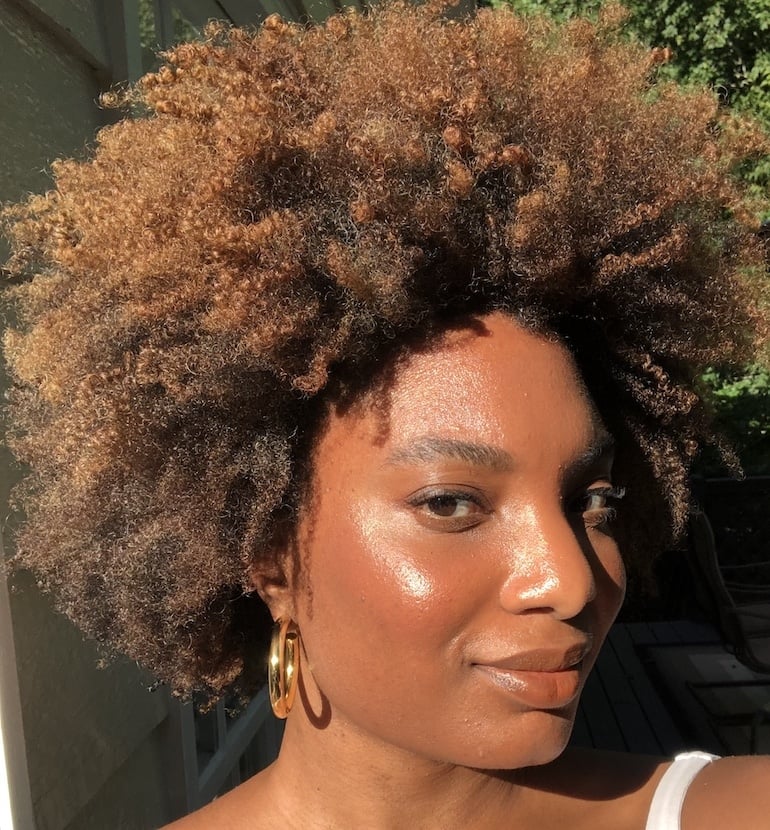
5. make sure it’s set
Once your hair dries, Robin says you should feel a cast or shield on your coils. By then, you’ll know that your curls have set. If you prefer to break the crunch later on, you can apply a light conditioning spray. Simply scrunch the product into the hair to add shine and soften your set. Personally, I like to do this on day two. If you’d rather take this step during the actual drying and styling process, Robin says you can “increase the heat for penetration, but still don’t move the heat button all the way up.”How Long Will it Last?
If you follow the natural hair drying steps outlined above, your set should last four to seven days depending on your lifestyle. Luckily, I discovered that it truly is the best way to dry 4c hair. My style lasted for five full days, longer than any washday I’ve had as a natural.
The post How to Dry Natural Hair with a Diffuser appeared first on HUM Nutrition Blog.
]]>The post A Virtual Dating Guide with Sexpert Shelby Sells appeared first on HUM Nutrition Blog.
]]>
Shelby Sells on Virtual Dating
How can you build a connection with someone new over Video Chat?
Shelby first recommends looking at a new relationship like a budding friendship. “This perspective helps take off some of the pressure that comes with getting to know someone romantically,” she explains. “Friendships take time to develop, the same way building a connection with someone takes time to develop.” Moving slowly and getting to know someone before scheduling a meetup, she says, “provides the opportunity to build a solid foundation of trust and friendship that establishes a healthy romantic connection.”Is it possible to build real intimacy without face-to-face interaction?
Since we’re relying primarily on technology to stay connected, is it possible to strengthen a new bond without spending time together in person? According to Shelby, absolutely. Until in-person interactions become normal and safe again, “we have to make do with what we’ve got,” she says. “To foster a deeper intimacy with someone, I recommend showing up in the space authentically as yourself. Try not to project what you think the other person likes or wants you to be.” She also encourages asking personal or deep questions. However, leave your judgment at the (virtual) door. “Listen without judging and trying to fix the other person. Also be open to sharing your own story.”What are common virtual dating mistakes?
We’ve all made a dating mistake or two, and know that’ll happen no matter how you meet someone. However, there are a few steps you can take to reshape how you date remotely. First things first, Shelby recommends slowing down on revealing too much too soon: “It can imply a lack of personal boundaries. Similarly, moving too fast is a common mistake, which can risk burnout.” And much like moving too fast, “sexualizing a situation too soon can also make people uncomfortable,” she adds. Additionally, flakiness and not stating your intentions are both big no-nos. If you need to reschedule a Zoom date, find yourself losing interest, or only want to hook up, communicate your feelings up front to prevent confusion and hurt feelings.
Can red flags be harder to spot when dating remotely?
“Red flags will arise whether you’re dating remotely or in-person,” says Shelby. “It’s up to you to be aware of these flags and take heed of them.” Red flags can sometimes be difficult to spot, but there are some behaviors that can signal it’s time to move on. Shelby advises being cautious of anyone who’s hyper-focused on the relationship, invalidates your feelings, or seems to lack empathy. In addition, pay special attention to those who share heavy personal details too quickly, pressures you for sex (sexting and nudes included), and are inconsistent. Alternatively, Shelby says that all flags aren’t negatives. There are also green flags that indicate a good framework from which a healthy relationship can develop. Green flags include practicing self-care, supporting your personal growth, having long-standing friendships, leaning into vulnerability, and honoring boundaries.So, you’re ready to meet your virtual date in real life. What now?
Meeting your new love interest in the flesh can be awkward. However, Shelby recommends addressing the elephant in the room. “Being able to laugh about it can bring much-needed lightness to the situation,” she says. “Luckily, it’s uncharted territory for everyone. I mean, who’s ever been in the midst of a global pandemic before?” She leaves us with one final piece of advice: “Keeping an open mind and an open heart is essential.” We agree. For more insights on love and sex from life coach Shelby Sells, be sure to follow her on Instagram.
The post A Virtual Dating Guide with Sexpert Shelby Sells appeared first on HUM Nutrition Blog.
]]>The post How to Understand and Deal with a Narcissist appeared first on HUM Nutrition Blog.
]]>To better understand narcissistic personality disorder and how to deal with a narcissist, we spoke with psychotherapist Ieasha Ramsay, LMSW.
What Is Narcissism?
“People use the term narcissism very loosely, but clinically, it’s still quite rare,” Ramsay explains. “Narcissistic personality disorder (NPD) can only be diagnosed by a professional, but there are some tell-tale distinguishers.”
So, what makes a person narcissistic? “Generally, narcissism consists of a grandiose self-image and an inflated sense of self. It becomes risky because that’s often coupled with an intense and insatiable need for validation, as well as manipulative behavior,” Ramsay warns.
What’s the Difference Between Self-Absorption vs. Narcissism?
Simply put, the answer is empathy. “Though someone may be self-absorbed, they still usually have the capacity for empathy,” Ramsay says. Additionally, “someone who’s self-absorbed may struggle to understand intent versus impact, but may have enough insight to not automatically jump into victim mode. This [ability] is much more difficult for someone with NPD.”
What Causes Narcissism?
In a 2019 story for NBC News, psychiatrist and narcissism specialist David M. Reiss, MD, explained: “A narcissist doesn’t necessarily come from a dysfunctional family, but narcissism can occur because a parent or caretaker wasn’t able to provide emotional attention, or it could be the flipside: a parent provided too much attention and the child never learned frustration tolerance.”
Furthermore, is narcissism genetic? Ramsay says that both nature and nurture can factor into this personality disorder: “Narcissistic traits can be transferred genetically. But more often than not, people develop them as a coping mechanism in response to difficult family environments in childhood.”
How to Deal With a Narcissist
While challenging, Ramsay notes that it’s possible to maintain a relationship with a loved one diagnosed with NPD. However, she says one must find ways to establish and maintain boundaries regarding behaviors you will and won’t accept.
One of the tips she finds most useful is utilizing “I statements” to describe the impact of the person’s behavior on you. Ramsay also notes that it’s essential to recognize gaslighting, an exploitative tactic that makes the victim question their reality. She reminds us that “remembering that your experience is real and valid, regardless of attempts to invalidate” is a tool we can all use in our daily interactions.

How to Treat Narcissism
While there’s no cure for narcissistic personality disorder, Ramsay believes that professional help, like therapy, can prove beneficial. “It gives a space to explore deeper and complex issues, begin examining their role in relationships, and focus on emotional regulation tools that can help decrease acting out [negative] behaviors.”
For similar reads, look at six makings of healthy relationships or recent studies investigating stronger unions.
The post How to Understand and Deal with a Narcissist appeared first on HUM Nutrition Blog.
]]>The post What Time to Sleep for Skin Cell Renewal appeared first on HUM Nutrition Blog.
]]>WHY IS SLEEP SO IMPORTANT FOR OUR SKIN?
Adequate sleep is essential for our bodies to function properly from both mental and physical perspectives. When we don’t get enough sleep, it can show on our faces, even if we’re meticulous about multi-step skincare routines. “We accumulate sun damage during the daytime, and our DNA repairs enzyme damage while we’re sleeping,” Dr. Moy explains. Aside from sun damage, our skin wards off pollution and free radicals that can cause other forms of wear and tear. Human growth hormones work to repair these issues while we’re sleeping. Produced by the pituitary gland, human growth hormone (HGH) stimulates cell regeneration. Levels can rise during exercise and sleep, but peak during puberty and decline with age.WHAT HAPPENS TO OUR SKIN WHILE WE SLEEP?
Around 9 p.m., our bodies start to wind down and feel the effects of melatonin, and the same goes for our skin. The next part of our restorative sleep cycle begins at 11 p.m., whether we’re actually asleep or not. Sleeping allows the skin to absorb our beloved products while our skin cells regenerate, thus creating more collagen and stronger, healthier skin.By wHAT TIME SHOULD I BE ASLEEP TO BENEFIT FROM Nighttime SKIN REGENERATION?
Our skin cells double between 10 p.m. and 4 a.m., and peak around 2 a.m. In a story for Dr. Oz, Dr. Kulreet Chaudhary noted, “If you are awake past 10 p.m., this process of free radical removal becomes interrupted, and your body’s ability to remove the effects of free radicals is significantly impaired.” This information is important since free radicals can, among other things, cause premature aging. So giving the body the opportunity to repair itself with proper rest is vital for our skin and overall health.Best Ingredients FOR a nighttime skin routine
You likely already have a skincare regimen you know works for you. But two key ingredients are essential for skin cell regeneration and hydration—the latter especially because we lose at least one liter of water while we sleep: retinol and hyaluronic acid. Retinol exfoliates and speeds up cell turnover, while hyaluronic acid is a humectant that can hold 1,000 times its weight in water. Additionally, ceramides are another prized ingredient, especially for people who need to soothe dry and/or irritated skin conditions. In sum, all three skincare products are well worth the hype. There are many products available on the market that range from budget-friendly to worthy investments. My tried and true products from the former camp are The Ordinary’s Granactive Retinoid 2% in Squalane and Hyaluronic Acid 2% + B5. Bigger spends include staple skincare products like Pestle & Mortar’s Pure Hyaluronic Serum and Paula’s Choice Clinical 1% Retinol Treatment. Before you go adjust your sleep schedule, don’t forget to treat your entire body with skincare options for replenishment. CeraVe’s cult classic Moisturizing Cream packs ceramides and hyaluronic acid for skin barrier protection and hydration. It’s also hypoallergenic and fragrance-free—and a moisturizer I never go without. Our skin is our largest organ—it’s up to us to ensure we give it all the care it needs.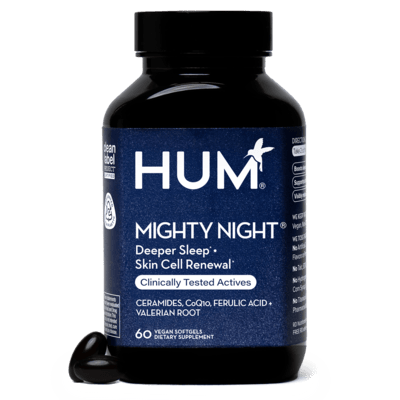
The post What Time to Sleep for Skin Cell Renewal appeared first on HUM Nutrition Blog.
]]>The post A Feng Shui Bedroom Layout to Rest Easy appeared first on HUM Nutrition Blog.
]]>Why Your Bedroom Matters
A Much needed safe haven
Anjie emphasizes the importance of your bedroom, as it’s your most private space and one in which you spend a lot of time. “Think about how many hours you spend in your bedroom and in bed compared to other places,” she suggests. “If you sleep in a difficult bedroom, where it’s hard to open the door and everything is cluttered, it can affect your day-to-day life.” Similarly, Amy emphasizes the mental and emotional toll that such quarters can create. “A cluttered space usually creates a cluttered mind,” she says, the latter of which can encompass “uneasiness, anxiety, or a general feeling of [lacking] control over your life. It’s pretty hard to fall asleep when you don’t feel relaxed in your space.”How Feng Shui Can Help
Anjie explains that feng shui, which means wind and water, “teaches us how to live in tune with nature.” Feng shui encourages us to “look at our environment, see how the energy flows, and shape it so it can support and enhance our lives,” she continues. But how can you tell if your bedroom is off? “[Determine] if you love your bedroom, or if it’s a place in which you don’t want to spend time,” Anjie advises. Furthermore, if you’re not sleeping well or don’t feel well-rested, your bedroom could likely use some adjustments.
5 Steps to Create a Feng Shui Bedroom Layout
Anchor Your Bed Strategically
“In feng shui, there’s a principle called the commanding position, which governs how you locate yourself in relation to your spaces,” Anjie shares. A solid commanding position, she says, can enable you to “open yourself up to opportunities and see clarity and wisdom in your life.” With this idea in mind, “you want to situate your bed so you can see the door without being directly in line with it,” Anjie continues. Your mind goes into fight or flight mode when you can’t see the door, which can induce stress. Next, invest in a headboard, which can promote stability, support, and an equally balanced space. The key here is to securely fasten it to the bed and position it against a wall with space on both sides.Clean Up Before Bedtime
Clutter can make relaxing difficult and lead to stress and unrest. However, don’t let the potentially daunting task of decluttering cause anxiety. “I always tell my clients to start small,” says Amy. “Maybe that means setting a timer for 10 minutes and focusing on one area in your bedroom. Spending some time addressing the issue is the first step.”Clear Your Nightstand
“Having a clear nightstand is key,” Amy continues. “Decide what really belongs there—perhaps the book you’re currently reading—and put the rest elsewhere, like on a bookshelf or in a cabinet. You can also add something small by your bedside that helps you relax, like a scented candle or a picture of your family.”Choose Calming Colors and Fabrics
Anjie recommends choosing feng shui bedroom colors to create a more relaxing environment, such as earthy tones like light greens and blues. She also suggests investing in organic, non-toxic bedding. “The energies of whatever you put around your body affect you deeply,” she explains.Clear Items Stored Under Your Bed
You need space under your bed for optimal flow. Anjie explains that according to the principles of feng shui, “anything under your bed can stop the flow of chi underneath and around you while you’re sleeping.” However, if you do need the storage space under your bed, she advises drawing the line at “emotionally charged objects like mementos from ex-partners” and other items of substance. Instead, it’s best to remove these items Marie Kondo style, letting go of any physical attachments to move into the future with ease.The post A Feng Shui Bedroom Layout to Rest Easy appeared first on HUM Nutrition Blog.
]]>The post How to Prep Your Pout for Colorful Lipstick appeared first on HUM Nutrition Blog.
]]>What Causes chapped lips?
For starters, it’s important to note that dehydration contributes to chapped lips. Make sure you’re getting the recommended intake of water a day (eight glasses minimum) to keep your body hydrated. But dehydration aside, there are other culprits behind dry lips. “Chapped lips are more common in winter, but they can still affect you year-round. Common causes are lip licking and irritation from products, such as matte lipsticks, lip stains, and mint- or cinnamon-flavored toothpaste or dental floss,” says Dr. Loretta.How to Prep Your Pout & Heal Dry Lips
However, there are ways to maintain lip moisture even if you have habits that make you more prone to dryness. Dr. Loretta gives the following advice: “Coat your lips with Aquaphor Healing Ointment to prevent water loss from lips. If you’re a lip licker, be sure to keep your lips coated with Aquaphor or a hydrating lip balm 24/7.” As a lip licker myself, I coat my lips with it day and night. Note: Some people don’t like to use tried-and-true products like Aquaphor because of ingredients like petroleum and mineral oil. If you’re looking for a more natural option, Doctor Rogers Restore Healing Balm—which contains castor seed oil and glycerin—works just as well to prep your pout.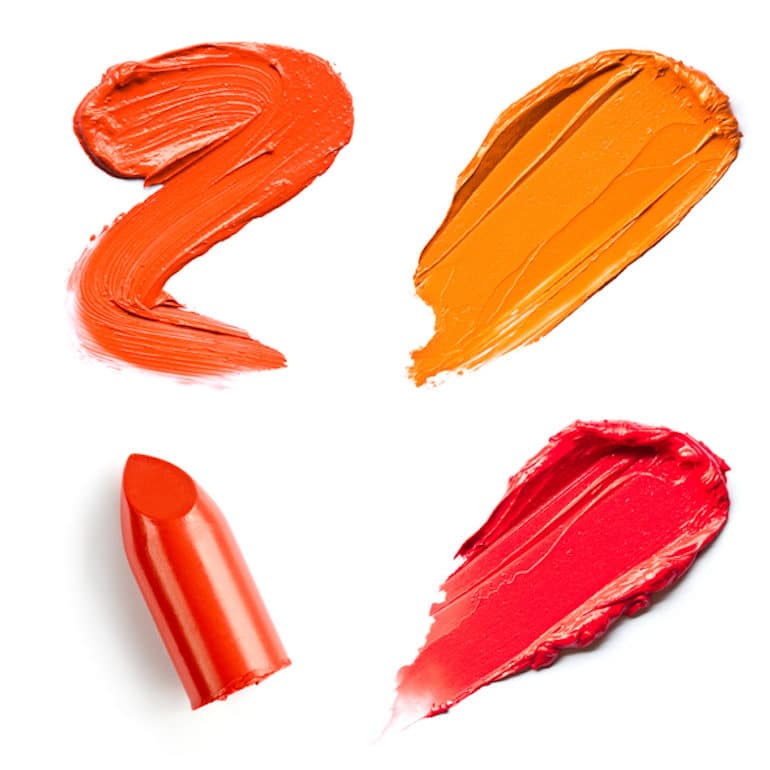
Lipstick Dos and Don’ts
Looking for equal parts moisture and color? Dr. Loretta offered a pro tip I’ve used for years: “If you love lip color, try mixing it with an ointment or essential oil on a lipstick brush.” Rub your lipstick gently on the back of your hand to warm it up, add a pea-sized amount of clear lip balm, give it a light swirl with your index finger, and pat it gently onto your lips. Next, we asked for her opinion on matte lipsticks, as they’re often drying. “Limit the use of any matte lipstick you have that feels or looks drying after you’ve had it on for a while,” she advises. Otherwise, opt for semi-mattes like NARS Velvet Lip Glide that provide long-lasting, vibrant color with the moisture that parched lips need. Love a classic red lip and want to stick to clean beauty? Then I recommend Kosas’s Phoenix, which is infused with antioxidants and shea butter to hydrate lips while giving a real pop of color. Finally, lipsticks aren’t the only way to experiment with colorful beauty trends. Benefit’s Benetint Cheek & Lip Stain offers a buildable option that works double duty, while YSL’s splurge-worthy Water Stain is worth every penny.Final Thoughts
Dr. Loretta had one more piece of advice for those of us with fine lines around the mouth: “Hydrate your skin with a cleanser like our Gentle Hydrating Cleanser, which you can leave on for a few minutes for maximum hydration.” She also recommends following up with a serum “that replaces our youthful skin’s beneficial oils with bio-identical lipids to trap in water content and help minimize the appearance of lines.” Put these tips into practice, and you’ll be ready to rock your next power lip color this fall.
The post How to Prep Your Pout for Colorful Lipstick appeared first on HUM Nutrition Blog.
]]>The post How to Treat Hyperpigmentation, According to Pros appeared first on HUM Nutrition Blog.
]]>First, What is hyperpigmentation?
Hyperpigmentation—which is more common in women than in men—manifests in the form of dark spots due to the overproduction of melanin.What causes hyperpigmentation?
If you’re acne-prone, you’ve likely experienced dark spots left over from a breakout. But there’s a variety of culprits that can also cause hyperpigmentation. “Sun exposure, medications, and even perfumes can cause hyperpigmentation, especially for those with dark skin tones,” says Sonia. Changes in hormone levels can also lead to different types of hyperpigmentation such as melasma or pregnancy mask.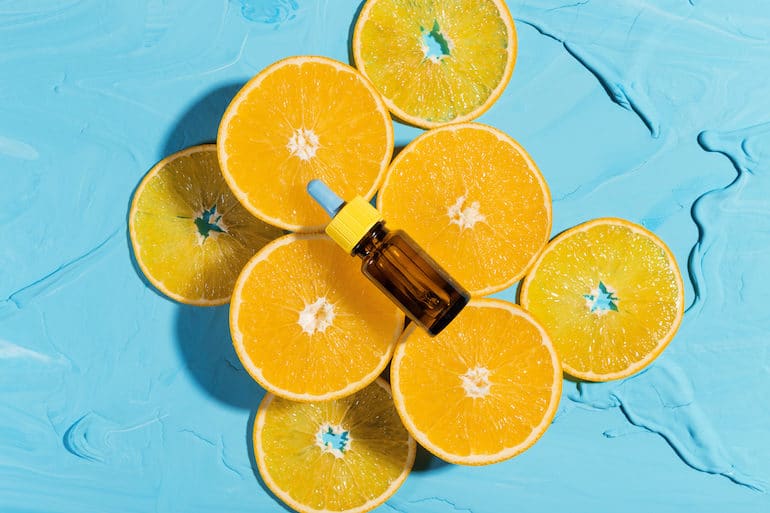
How to Treat Hyperpigmentation at home
Layer on Sunscreen
“Darker skin has built-in SPF, making it more difficult for UV rays to pass through,” Sonia says. However, UV exposure can cause cell damage to anyone’s skin.” So finding a daily sunscreen is a must for us all, especially if you want to treat or prevent hyperpigmentation. My brown-girl friendly go-to is Supergoop’s Unseen Sunscreen. The oil-free makeup primer has SPF 40 and won’t leave the skin covered in white residue.Exfoliate with an Enzyme Peel
Sonia recommends adding an enzyme peel like Cosmedix’s Pure Enzymes Cranberry Exfoliating Mask to your skin routine. “Enzymes are attracted to protein, aka what comprises dead facial skin,” she explains. “Enzymes ‘eat’ the build-up of dead protein like in a game of Pac-Man, leaving the skin with a brighter, more even tone.”Use Spot-Fighting Actives
As for daily topical treatments, L-ascorbic acid (vitamin C) and niacinamide come highly recommended. They even out skin tone, keep inflammation at under control, and protect the skin from free radicals—the last of which is especially important for those of us living in highly polluted cities. The two products that helped fade my own dark spots are Avya Skincare’s Anti-Aging Power Serum with Vitamin C and The Ordinary’s Niacinamide 10% + Zinc 1%. Additionally, Ursula recommends using physician-strength antioxidants, such as Honor MD’s Genetically Blessed Super Antioxidant Serum, that’ll exfoliate the skin to help treat and prevent hyperpigmentation. Finally, putting together a nighttime regimen that includes vitamin A is a game-changer. “Retinol works by going deep beneath your skin to even out tone and texture,” Sonia explains.Professional Hyperpigmentation treatments
Need to up-level the fight against hyperpigmentation? Sonia recommends laser therapy, which I’ve heard isn’t an option for those of us with darker skin. But Ursula sets the record straight: “Laser technology has come a long way over the last decade. Now, there are lasers that are safe on medium-to-dark skin that can effectively treat hyperpigmentation.” She recommends Clear + Brilliant in particular. “It’s not only effective and safe for all skin types, but also there’s little-to-no downtime. Skin will appear pink or red immediately after treatment, but you can easily cover it with makeup the following day,” Ursula says. “It’ll also feel rough to the touch for the next five-to-seven days, but it’ll have a radiance that’ll keep looking better as each day passes.” Ursula adds that everyone can see a difference following just one treatment. However, she notes that people who wish to treat discoloration will likely need three-to-six sessions to see significant improvement. Lastly, before starting any new treatment, Ursula suggests visiting a professional who has experience treating your skin tone. If you’re still not ready to commit fully, ask for a spot treatment in an inconspicuous place to see how your skin will react.
The post How to Treat Hyperpigmentation, According to Pros appeared first on HUM Nutrition Blog.
]]>