The post Weight Loss Trends Over The Holidays: What’s Normal, What’s Not, and What You Can Control appeared first on HUM Nutrition Blog.
]]>Let’s dig into the research and practical takeaways through the lens of weight loss trends.
What’s Not “Normal” (and may signal concern)

Research shows that adults in the United States typically gain roughly 1 to 2 pounds during the holiday season, which spans from mid-November through early January. While that may not sound like much, studies suggest this weight gain often isn’t lost afterward, potentially contributing over time to the rising rates of overweight.
If you’re focused on weight maintenance or weight loss, a few trends are worth flagging as red flags or at least signals to adjust.
- Gains that persist into spring/summer
The issue isn’t so much the immediate gain, but the failure to get back to healthier habits after the holiday season. This can consequently lead to weight gain that persists into the new year. When the extra weight remains, it can contribute to long-term upward drift in body weight. - Disruption of your deficit and habits
For someone actively pursuing weight loss or maintenance, letting the holiday period derail your calorie or protein targets, activity levels, or sleep can throw progress off. Control of these “levers” matters. - Ignoring food quality & hunger cues
Many holiday gatherings center around food, often bringing more calories from treats, alcohol, and rich sauces. This may shift the energy balance significantly – that magnitude of increase can offset a typical calorie deficit quickly.
What You Can Control: 6 Smart Strategies to Stay on Track
If you see meaningful weight gain (well above the 1-2 lb average) or your habits collapse (making loss or maintenance difficult), it’s worth intervening, rather than accepting “holiday gain” as inevitable.
Here are six actionable tips that can help you stay on track this holiday season:
- Prioritize protein
Maintaining your daily protein target is a smart defense: higher protein helps preserve lean mass, supports satiety, and aids recovery from workouts. On days with big meals, aim to “pre-load” protein earlier (e.g., Greek yogurt + fruit or lean eggs) so you’re less likely to overeat later.
- Stay active (even more so)
With increased holiday calories and likely reduced activity (cold weather, social commitments), aim to overshoot your usual activity when possible. For instance, consider adding a post-meal walk or a holiday outing that includes movement (skiing, skating, family walk). Use your step count as a daily anchor even when your routine shifts.
- Manage portions and quality
At holiday meals, make vegetables/lean protein your “first plate” so you buffer hunger and reserve space for more indulgent items. Be mindful of drinks: calories from alcohol or sweet beverages add up. Instead of “all or nothing,” use a strategy of selective indulgence: choose 1-2 smaller portions of the foods you really want, rather than “everything on the plate.”
- Keep your routine as consistent as possible
Routine anchors like meal timing and sleep can help you stay grounded during a season of indulgence and social gatherings. For example, holidays often mean “unstructured eating.” Having a light planned snack before big events (protein + fiber) helps avoid arriving overly hungry. At night, aim for your regular sleep windows. Shortened or poor-quality sleep elevates hunger hormones and may sabotage your appetite control.
- Mental framing: Maintenance as a win
If you’ve been in a calorie deficit for weight loss, recognizing that simply maintaining weight during the holiday is a success is key. During the holiday period, the goal doesn’t necessarily need to be to further weight loss, but preventing excessive gain.
- Post-holiday bounce-back
After the big window ends, return promptly to your standard eating and movement regimen. The quicker you resume good habits, the less the holiday gain (if any) will stick. Use the early January period to re‐set. A review of your food intake, physical activity progress, step count, and sleep patterns is a helpful start.
Final Thoughts on Weight Loss Trends
Holiday periods do present a higher risk for small weight gains. The good news? Those gains are not inevitable, especially if you keep the key levers in your control (protein, activity, sleep, structure). For someone actively pursuing weight maintenance or loss, the goal during the festive season might shift slightly: instead of pushing for large losses, aim to minimize over-eating and preserve your movement routine. A 1-2 lb gain may feel like a setback, but in the context of a year’s effort it is manageable, especially if you have a plan to bounce back.
The post Weight Loss Trends Over The Holidays: What’s Normal, What’s Not, and What You Can Control appeared first on HUM Nutrition Blog.
]]>The post Fall Energy Reset: How to Beat Afternoon Slumps With Seasonal Snacks appeared first on HUM Nutrition Blog.
]]>
As the days get shorter and the weather cools, familiar afternoon slumps can hit harder than ever. For many of us, energy levels tend to fade early, despite the number of hours left in the day. The good news? A few simple snack swaps and mindful nutrition habits can help you power through fall afternoons, without relying on a second (or third) cup of coffee.
Here’s how to beat the slump and keep your energy steady all season long with RD-approved seasonal snacks.
Why Afternoon Slumps Happen
Afternoon fatigue isn’t just in your head; it’s biological. Between 2 and 4 p.m., your body’s circadian rhythm naturally dips, leading to lower alertness and focus. That drop can feel extra intense if you’ve had a carb-heavy lunch or eaten too little protein.
Additionally, blood sugar fluctuations can make energy levels worse. Refined carbs and sugary snacks can cause a quick spike in energy that is usually followed by a crash that leaves you yawning at your desk.
Whether the culprit is a carb-heavy lunch or quick blood sugar changes, incorporating energy-forward snacks can help you power through your day more easily. These types of snacks provide a mix of complex carbs, proteins, and healthy fats.
Fall Flavors That Fight Fatigue
Luckily, Fall is full of ingredients that are naturally energizing. Here are some seasonal staples that do more than just taste good:
- Pumpkin: Packed with fiber and beta-carotene, pumpkin helps stabilize blood sugar and supports immune health. Try it roasted, blended in smoothies, or as pumpkin puree stirred into yogurt.
- Apples: With natural sweetness and pectin fiber, apples provide sustained energy and help curb sugar cravings. Pair with nut butter for extra staying power.
- Sweet Potatoes: Complex carbs + vitamin B6 = long-lasting energy. Cube and roast them with cinnamon for a cozy snack.
- Cinnamon: Beyond its warm flavor, cinnamon may help improve insulin sensitivity, having a favorable effect on blood sugar balance.
- Nuts & Seeds: Almonds, walnuts, and pumpkin seeds deliver healthy fats and magnesium, which support cellular energy production.
RD-Approved Fall Snack Ideas for an Energy Boost

1. Loaded Apples
Slice a crisp apple, drizzle with a tablespoon of almond butter, and sprinkle with cinnamon and chia seeds. You’ll get fiber, protein, and healthy fats – a trio that keeps energy levels even and cravings low.
2. Pumpkin Yogurt Parfait
Mix ½ cup plain Greek yogurt with ¼ cup pumpkin puree, a drizzle of maple syrup, and a dash of pumpkin pie spice. Top with granola and pepitas for crunch. It’s a blood-sugar-friendly version of your favorite pumpkin spice latte.
3. Sweet Potato “Toast”
Roast thin slices of sweet potato until tender, then top with mashed avocado and hemp seeds. This snack is rich in complex carbs, potassium, and magnesium, all of which are nutrients that support muscle and nerve function to help fight fatigue.
4. Seasonal Trail Mix
Combine roasted pumpkin seeds, walnuts, dried cranberries, and dark chocolate chips. A perfect on-the-go option for when you need a quick pick-me-up.
5. Spiced Energy Bites
Blend dates, oats, almond butter, cinnamon, and a touch of vanilla, then roll into bite-sized balls. They deliver slow-digesting carbs and natural sweetness without the crash.
Hydration Matters, Even When It’s Cool Outside
You might not feel as thirsty in the Fall, but hydration plays a huge role in how energized you feel. Even mild dehydration can lead to fatigue and brain fog. Try sipping warm herbal tea, infused water with apple slices and cinnamon sticks, or just keep a reusable bottle nearby. Aim for at least half your body weight (in ounces) of water daily, adjusting for activity level.
Final Thoughts
Fall doesn’t have to come with sluggish afternoons. By choosing snacks that balance blood sugar, incorporating seasonal produce, and staying hydrated, you can keep your energy steady all season long. With a little prep and some cozy, nutrient-dense snacks, you’ll not only avoid the afternoon slump, but you might just find Fall is your most energized season yet.
The post Fall Energy Reset: How to Beat Afternoon Slumps With Seasonal Snacks appeared first on HUM Nutrition Blog.
]]>The post The Pumpkin Spice Latte Cake That’s Actually Blood-Sugar Friendly appeared first on HUM Nutrition Blog.
]]>Pumpkin Spice Health Benefits
Pumpkin spice blends typically feature cinnamon, nutmeg, ginger, and cloves. All of these ingredients do more than add cozy flavor. Cinnamon may support healthy blood sugar levels, ginger has anti-inflammatory properties, and nutmeg and cloves provide antioxidant compounds. Together, they make pumpkin spice both delicious and functional.
How to Make Pumpkin Spice Recipes Healthier
Traditional pumpkin spice treats can spike blood sugar because they’re often made with refined flour and lots of added sugar. The key to a healthier version is balancing the sweetness with blood-sugar-friendly swaps:
- Use almond flour or oat flour for more fiber and protein.
- Replace refined sugar with natural sweeteners like monk fruit, stevia, or dates in moderation.
- Add protein (like Greek yogurt, protein powder, or eggs) to slow digestion and blunt sugar spikes.
- Pair with healthy fats (like almond butter or coconut oil) for steady energy.
Healthy Pumpkin Spice Latte Cake Recipe
This recipe is inspired by everyone’s favorite fall drink but with a blood-sugar-friendly twist.
Ingredients
- 1 cup pumpkin puree
- 2 eggs
- 1/4 cup unsweetened almond milk
- 1/4 cup coconut oil (melted)
- 1/2 cup almond flour
- 1/2 cup oat flour
- 1/4 cup monk fruit or coconut sugar
- 1 tsp baking powder
- 1 tsp cinnamon
- 1/2 tsp nutmeg
- 1/2 tsp ginger
- 1/4 tsp cloves
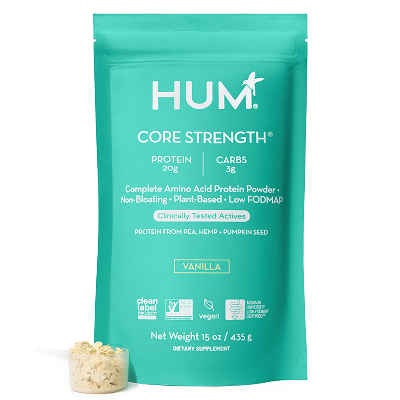
- Optional: 1 scoop Core Strength vanilla protein powder for extra protein
Instructions
- Preheat oven to 350°F (175°C) and line a loaf pan or cake pan with parchment paper.
- In a large bowl, whisk pumpkin puree, eggs, almond milk, and coconut oil.
- In another bowl, mix almond flour, oat flour, sweetener, baking powder, and spices.
- Combine wet and dry ingredients until smooth. Fold in protein powder if using.
- Pour into the pan and bake for 30–35 minutes, or until a toothpick comes out clean.
- Cool, slice, and enjoy with a dollop of Greek yogurt or a dusting of cinnamon on top.
RD Tips
- Pair a slice with a protein-rich snack (like a latte made with unsweetened soy milk or a handful of nuts) to keep blood sugar steady.
- If you love extra sweetness, drizzle a small amount of maple syrup on top rather than mixing too much into the batter.
- Batch prep and freeze slices for quick snacks that don’t derail your health goals.
Conclusion
Pumpkin spice season doesn’t have to mean sugar overload. With a few simple swaps, you can enjoy cozy, fall-inspired treats that support your health goals. This Pumpkin Spice Latte Cake proves it’s possible to indulge without the blood sugar crash.
The post The Pumpkin Spice Latte Cake That’s Actually Blood-Sugar Friendly appeared first on HUM Nutrition Blog.
]]>The post Pumpkin Pie with Benefits: The Low-Sugar Recipe That Won’t Spike Your Blood Sugar appeared first on HUM Nutrition Blog.
]]>This version swaps in nutrient-dense ingredients and keeps sugar to a minimum, without sacrificing the cozy, spiced flavor you crave.
Why Try Low-Sugar Pumpkin Pie
There are many benefits to lowering your sugar intake. Here’s why this pumpkin pie is different:
- Lower sugar, more balance: We cut back on added sugar and use just enough natural sweetness to keep it delicious. This helps keep blood sugar stable, making it easier to manage portions and cravings.
- Fiber-rich pumpkin: Pumpkin is naturally high in fiber, which slows digestion and helps support steady blood sugar.
- Protein boost: A little protein in the filling helps balance the carbs, making it a more blood sugar-friendly treat.
- Better-for-you crust options: You can use a whole-grain or almond flour crust for extra nutrients and fiber.
Low-Sugar Pumpkin Pie Recipe
Servings: 8
Ingredients
- 1 ¾ cups pumpkin puree (not pumpkin pie filling)
- 2 large eggs
- ¾ cup unsweetened almond milk (or milk of choice)
- ¼ cup maple syrup or honey (adjust to taste)
- 2–3 Tbsp coconut sugar or monk fruit sweetener (optional, for added sweetness)
- 1 tsp vanilla extract
- 1 ½ tsp cinnamon
- ½ tsp ground ginger
- ¼ tsp nutmeg
- Pinch of cloves and salt
- 1 pre-baked whole-grain or almond flour pie crust
Instructions
- Preheat oven to 350°F (175°C).
- In a large bowl, whisk together pumpkin, eggs, almond milk, maple syrup, sweetener (if using), vanilla, and spices until smooth.
- Pour filling into pre-baked crust.
- Bake for 45–50 minutes, or until the center is just set.
- Cool before serving.
Dietitian Tip
Pair your slice with a dollop of Greek yogurt or coconut cream. The added protein or fat helps slow digestion even more, keeping your blood sugar steady.
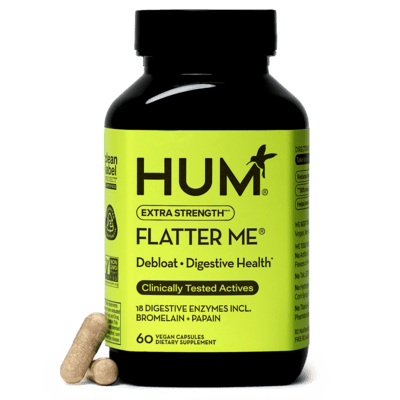
If you struggle with feeling bloated after eating high fiber foods, consider adding digestive enzymes like HUM’s Flatter Me to help optimize your post-pie digestion.
The post Pumpkin Pie with Benefits: The Low-Sugar Recipe That Won’t Spike Your Blood Sugar appeared first on HUM Nutrition Blog.
]]>The post What You Need to Know About Carb Cycling, According to a Registered Dietitian appeared first on HUM Nutrition Blog.
]]>Here’s what you need to know about carb cycling: how it works, why people try it, important considerations before starting, and examples of what a carb cycling plan might look like in real life.
What Is Carb Cycling?

Carb cycling is an eating strategy where you alternate your carbohydrate intake on different days, typically cycling between high-carb days, moderate-carb days, and low-carb days.
The idea is to time your carbohydrate intake to match your body’s energy needs. For example, you might eat more carbs on days you have intense workouts, and fewer carbs on days you’re resting or doing light activity.
Instead of following a fixed carbohydrate intake every day, carb cycling creates fluctuations or “wave-like” patterns in your carb consumption over the week.
While the concept might sound trendy, the principle behind it is simple: your body uses carbohydrates for energy, especially during moderate-to-high-intensity exercise. By eating more carbs when you need the fuel, and fewer carbs when you don’t, you’re aiming to optimize performance and potentially influence body composition.
Why Do People Carb Cycle?
People try carb cycling for a variety of reasons. Here are some of the most common:
1. Supporting Athletic Performance
Athletes and physically active individuals may use carb cycling to make sure their glycogen stores (the stored form of carbs in muscles and the liver) are replenished for demanding workouts. Having enough glycogen can improve endurance, strength, and recovery.
2. Body Composition Goals
Some people use carb cycling alongside strength training or fat loss programs. The strategy may help maintain muscle mass while in a calorie deficit, because high-carb days can support intense training and recovery, while low-carb days may help reduce overall calorie and carbohydrate intake.
3. Breaking Through Weight Loss Plateaus
While research on this is still emerging, some find that varying carb intake helps prevent the metabolic slowdown that can occur with consistent low-calorie or low-carb diets.
4. Managing Hormonal Responses
Carbohydrate intake influences hormones like insulin and leptin, which play a role in appetite regulation and metabolism. Carb cycling may help regulate these hormones, though more research is needed to confirm long-term benefits.
Important Considerations Before Trying Carb Cycling
Before you jump in, there are a few key points to keep in mind:
1. Carb Quality Matters
Carb cycling isn’t just about quantity. The quality of your carbs is equally important. Opt for nutrient-dense, high-fiber carbohydrates like fruits, vegetables, legumes, and whole grains. Avoid relying on refined carbs and added sugars, even on high-carb days.
2. Protein and Fat Are Still Essential
While carbs get most of the attention in carb cycling, protein and healthy fats are important every day for satiety, muscle maintenance, and overall health.
3. It’s Not for Everyone
People who are living with certain medical conditions, such as diabetes, hypoglycemia, or who have a history of disordered eating, may not be good candidates for following a carb cycling plan. Because it requires tracking and adjusting intake regularly, it can also become mentally and emotionally taxing for some people.
4. Energy Needs Should Guide You
Your carb needs depend on your activity level, body size, and goals. For example, an endurance runner training for a marathon will likely need more frequent high-carb days than someone lifting weights three times a week.
5. Hydration Is Key
Carbohydrates are stored in the body along with water, so shifting your carb intake can affect hydration levels. Be mindful of fluid intake and electrolyte balance, especially on low-carb days.
Is There Science Behind Carb Cycling?
While the theory of carb cycling is rooted in sports nutrition principles, research specifically on carb cycling as a long-term dietary approach is limited.
However, we know that:
- Higher carb availability can enhance performance in endurance and high-intensity exercise.
- Low-carb periods can increase fat oxidation (fat burning) during exercise.
- Strategic manipulation of carbs can influence glycogen stores, hormonal responses, and recovery.
In any case, matching carbs to daily needs is still up for debate, regardless if cycling carbs offer significant advantages for weight loss or body composition.
What Does Carb Cycling Look Like in Real Life?
Carb cycling can be structured in different ways depending on your goals, lifestyle, and preferences. Below are a few common approaches.
Example 1: High-Carb on Training Days
- High-Carb Days (2–3 days/week): Used on intense workout days, like heavy lifting or high-intensity interval training (HIIT).
- Moderate-Carb Days (2–3 days/week): Used on moderate workout days or when you’re active but not pushing intensity. Think – pilates, jogging, etc.
- Low-Carb Days (1–2 days/week): Used on rest days or days where you are doing a light activity like doing a yoga class or going on a walk.
Sample Weekly Schedule:
- Monday: High-carb (leg day)
- Tuesday: Moderate-carb (upper body workout)
- Wednesday: Low-carb (rest day)
Thursday: High-carb (HIIT training) - Friday: Moderate-carb (yoga + light weights)
- Saturday: High-carb (long run)
- Sunday: Low-carb (rest day)
Example 2: Event-Based Carb Cycling
Athletes sometimes increase carbs for several days before a competition or long race to maximize glycogen stores (a practice known as carb loading). The rest of the time, their carb intake may be more moderate.
Sample Pattern for a Race Week:
- Mon–Wed: Moderate-carb training days
- Thu–Fri: High-carb loading days before race
- Sat: Race day (high-carb breakfast)
- Sun: Low-carb recovery day
Example 3: Calorie Deficit With Carb Cycling
Some people use carb cycling during fat loss phases to help maintain performance in the gym. This might look like:
- High-carb days: Support intense workouts and help maintain muscle mass
- Low-carb days: Reduce overall calorie intake and encourage fat utilization
Sample Intake Targets:
- High-carb days: ~50–60% of calories from carbs
- Moderate-carb days: ~35–45% of calories from carbs
- Low-carb days: ~15–25% of calories from carbs
Bottom Line on Carb Cycling
Carb cycling can be an effective and flexible tool, if it’s done intentionally and in a balanced way. It can work best for highly active people, with varying training intensities throughout the week, people who are training for a specific event (i.e. running a marathon), or people who enjoy structured eating patterns and don’t mind tracking their carb intake. In contrast, it may not be a good fit for people with a history of disordered eating, certain medical conditions, or have activity levels that are relatively steady and moderate.
If you’re curious about trying it, I recommend working with a registered dietitian to determine your optimal carb ranges and avoid unnecessary restrictions.
The post What You Need to Know About Carb Cycling, According to a Registered Dietitian appeared first on HUM Nutrition Blog.
]]>The post 5 Fruit-Based Desserts That Are RD-Approved and GLP-1-Forward appeared first on HUM Nutrition Blog.
]]>Keep reading for five easy, dietitian-approved desserts that taste indulgent and support your wellness from the inside out.
Why fruit-based desserts?
Fruit-based desserts are ideal for those of you with a sweet tooth and are GLP-1 curious. If done right, fruit-based desserts can give you a natural boost of fiber, antioxidants, and just enough sweetness.
What Makes a Dessert GLP-1-Forward?
GLP-1 (glucagon-like peptide-1) is a naturally occurring hormone that helps regulate appetite, blood sugar, and digestion. Supporting your body’s GLP-1 function through food can promote satiety and regulate your appetite, especially helpful when it comes to curbing that sweet tooth.
To build a fruit-based dessert that is also GLP-1-forward, focus on:
- Fiber: Slows digestion and supports blood sugar balance
- Protein and healthy fats: Boost satiety and ease glucose spikes
- Low added sugar: Prevents blood sugar crashes
5 Healthy Fruit-Based, GLP-1-Forward Dessert Recipes
Here are five dietitian-approved fruit-based desserts that satisfy your cravings and support your body’s natural GLP-1 activity.
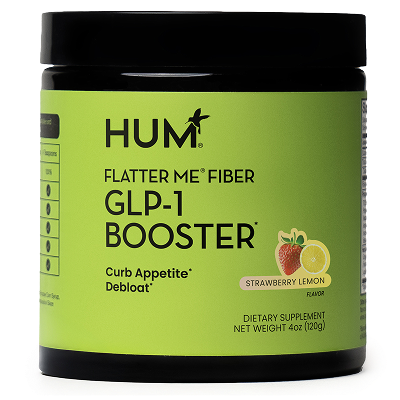
Want an extra boost? Pair these recipes with HUM’s Flatter Me Fiber GLP-1 Booster for added support for appetite control and digestive health.
1. Baked Cinnamon Apples with Greek Yogurt & Walnuts
Why it works: This cozy dessert brings together fiber-rich apples, protein-packed Greek yogurt, and heart-healthy fats from walnuts. Its GLP-1-forward ingredients include apples, cinnamon, walnuts, and Greek yogurt.
Serves: 2
Prep Time: 5 minutes
Cook Time: 20 minutes
Ingredients:
- 2 medium apples (Honeycrisp or Fuji work well), cored and sliced
- 1 tsp cinnamon
- 1 tsp coconut oil or olive oil
- ½ tsp vanilla extract (optional)
- Pinch of sea salt
- ½ cup plain Greek yogurt (unsweetened, 2% or full fat preferred)
- 2 tbsp chopped walnuts
- Optional: drizzle of honey or maple syrup (use sparingly)
- Optional: 1 scoop of HUM’s GLP-1 Booster, stirred into yogurt
Instructions:
- Preheat oven to 375°F (190°C).
- In a bowl, toss apple slices with cinnamon, oil, vanilla (if using), and a pinch of salt.
- Spread apples evenly in a small baking dish or on a parchment-lined tray.
- Bake for 18–22 minutes, or until tender and slightly caramelized.
- While apples bake, stir HUM’s GLP-1 Booster (optional) into the Greek yogurt.
- Divide the warm apples into two bowls. Top each with ¼ cup Greek yogurt and 1 tbsp walnuts.
- Drizzle with a touch of honey or maple syrup if desired.
2. Chia Berry Jam “Nice Cream”
Why it works: A frozen banana base delivers creamy texture without dairy or added sugar, while chia seed berry jam adds soluble fiber to help you stay full longer. Its GLP-1-forward ingredients include bananas, chia seeds, and berries.
Serves: 2
Prep Time: 10 minutes (plus chilling time for jam)
Cook Time: 5 minutes
Ingredients:
For the chia berry jam:
- 1 cup frozen mixed berries (blueberries, raspberries, strawberries)
- 1 tbsp chia seeds
- 1 tsp lemon juice
- Optional: ½–1 tsp maple syrup or honey
For the nice cream:
- 2 ripe bananas, sliced and frozen
- 1–2 tbsp unsweetened almond milk (or milk of choice)
Instructions:
- Make the jam:
- In a small saucepan, heat berries over medium heat for 4–5 minutes, stirring occasionally, until they break down and become jammy.
- Stir in chia seeds and lemon juice (and sweetener if using).
- Remove from heat and let thicken for 10–15 minutes (or chill in the fridge to speed it up).
- Make the nice cream:
- In a food processor or high-speed blender, add frozen banana slices and almond milk.
- Blend until smooth and creamy, scraping down the sides as needed. Add more milk as needed for blending.
- Assemble:
- Spoon the banana nice cream into two bowls.
- Swirl in the chia berry jam on top.
3. Dark Chocolate Dipped Strawberries with Hemp Seeds
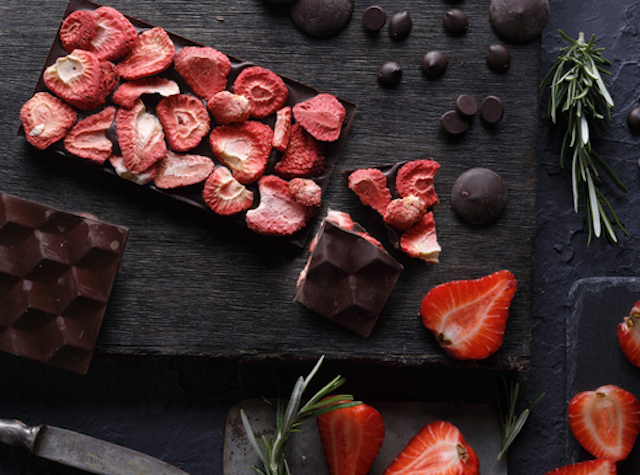
Why it works: Strawberries are rich in fiber and polyphenols, while hemp seeds add healthy fats and plant-based protein. Its GLP-1 forward ingredients include strawberries, dark chocolate, and hemp seeds.
Serves: 2
Prep Time: 10 minutes
Chill Time: 10 minutes
Ingredients:
- 1 cup fresh strawberries, washed and dried
- ¼ cup dark chocolate chips or chopped dark chocolate (70% cacao or higher)
- 1 tbsp hemp seeds
- Optional: pinch of cinnamon or sea salt
Instructions:
- Prep strawberries:
- Make sure strawberries are completely dry (so the chocolate sticks well). Set aside.
- Melt the chocolate:
- Add chocolate to a microwave-safe bowl. Microwave in 20–30 second intervals, stirring between each, until smooth.
- Dip:
- Hold each strawberry by the stem and dip it into the chocolate, covering about two-thirds of the fruit.
- Place on a parchment-lined tray.
- Top it off:
- While the chocolate is still wet, sprinkle with hemp seeds and a pinch of cinnamon or sea salt, if using.
- Chill:
- Refrigerate for about 10–15 minutes, or until the chocolate is set. Enjoy!
4. Core Strength Protein Berry Parfait
Why it works: Layering HUM’s Core Strength vanilla protein with fresh berries and flax or chia offers a fiber-protein combo that supports fullness and blood sugar control. Its GLP-1-forward ingredients include mixed berries, protein powder, and flax/chia.
Serves: 1
Prep Time: 5 minutes
No cooking required
Ingredients:
- ½ cup plain Greek yogurt (or plant-based yogurt)
- 1 scoop HUM Core Strength Vanilla protein powder
- ½ cup mixed fresh berries (blueberries, raspberries, blackberries, or strawberries)
- 1 tbsp ground flaxseeds or chia seeds
- Optional: sprinkle of cinnamon or cacao nibs
Instructions:
- Mix the base:
- In a small bowl, stir the Core Strength protein powder into the Greek yogurt until smooth and well combined.
- Optional: Add HUM’s GLP-1 Booster here for extra digestive and metabolic support.
- Layer your parfait:
- In a glass or jar, layer half the protein yogurt mix, then half the berries, then a sprinkle of flax or chia.
Repeat the layers with the remaining yogurt, berries, and seeds.
- In a glass or jar, layer half the protein yogurt mix, then half the berries, then a sprinkle of flax or chia.
- Top it off:
- Add a dash of cinnamon, a few cacao nibs, or extra berries on top if desired.
- Add a dash of cinnamon, a few cacao nibs, or extra berries on top if desired.
5. Roasted Figs with Almond Butter & Cacao Nibs
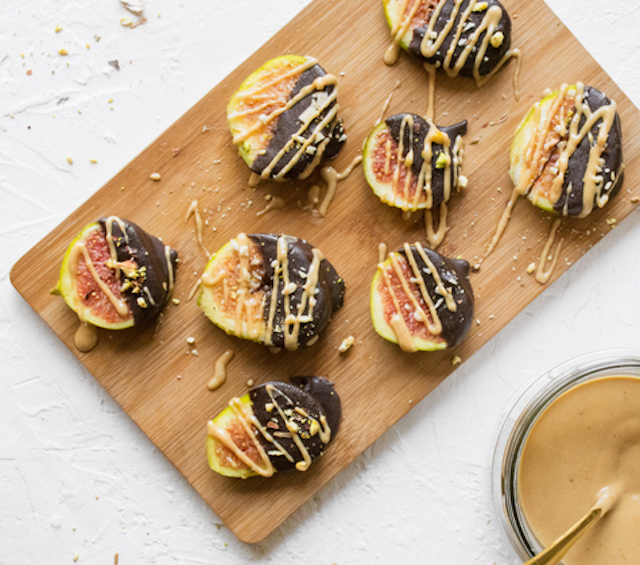
Why it works: Roasting figs brings out their natural sweetness without added sugar. Almond butter and cacao nibs round out the dessert with protein, fat, and polyphenols. Its GLP-1-forward ingredients include figs, almond butter, and cacao nibs.
Serves: 2
Prep Time: 5 minutes
Cook Time: 10–12 minutes
Ingredients:
- 4 fresh figs, halved
- 1 tsp coconut oil or olive oil
- 2 tbsp almond butter (natural, unsweetened)
- 2 tsp cacao nibs
- Optional: sprinkle of cinnamon or sea salt
Instructions:
- Preheat oven to 375°F (190°C).
- Line a baking tray with parchment paper.
- Prep the figs:
- Gently brush the cut side of each fig half with a bit of oil.
- Place cut-side up on the baking tray.
- Roast:
- Bake for 10–12 minutes, or until figs are softened and lightly caramelized.
- Assemble:
- Plate the roasted figs warm.
- Drizzle or dollop almond butter on each half.
- Sprinkle with cacao nibs and optional cinnamon or sea salt.
FAQs
Q: What is a GLP-1-forward dessert?
A: It’s a dessert made with ingredients like fiber and protein that work to help support your body’s GLP-1 hormone, which regulates appetite and digestion.
Q: Can I eat dessert and still support my metabolism?
A: Yes! When you use blood-sugar-friendly ingredients, dessert can actually complement your wellness goals.
Q: How does HUM’s Flatter Me Fiber GLP-1 Booster fit in?
A: It’s a daily supplement designed to support satiety and digestion with ingredients like prebiotic fiber and digestive enzymes to help support GLP-1 production and digestion.
Q: Is fruit okay to eat on a GLP-1 supportive plan?
A: Absolutely. When paired with protein or fat, fruit is a nutrient-dense way to satisfy your sweet cravings without the crash.
The Takeaway on Natural GLP-1 Foods for Dessert
Eating dessert can still be a feel-good, goal-supportive experience. With these RD-approved, fruit-based desserts that are GLP-1-forward, you can satisfy your sweet cravings and support metabolism, digestion, and appetite balance. Experience the best results when paired with HUM’s Flatter Me Fiber GLP-1 Booster.
The post 5 Fruit-Based Desserts That Are RD-Approved and GLP-1-Forward appeared first on HUM Nutrition Blog.
]]>The post 5 Key Nutrients You May Need While Taking Ozempic, or Any Other Weight Loss Drug appeared first on HUM Nutrition Blog.
]]>GLP-1 medications like Ozempic®, Wegovy®, and Mounjaro® are gaining popularity for their effectiveness in supporting weight loss. These drugs, originally developed for managing type 2 diabetes, work by mimicking the effects of a hormone called glucagon-like peptide-1 (GLP-1). In simple terms, they help slow digestion, regulate blood sugar, and curb appetite. Together, these outcomes can help folks reduce calorie intake, often leading to weight loss.
But here’s what most people don’t realize: the same mechanisms that help you shed pounds may also lead to unintended nutrient shortfalls.
As a registered dietitian, I’ve had an increasing number of clients ask: “Are there vitamins I should be taking with Ozempic?” The simple answer is, yes. Vitamins are amongst other key nutrients that should be incorporated into any weight loss drug treatment plan.
This article explores the science behind why certain deficiencies may be more likely on GLP-1s, and dietitian-tips for supporting your nutrition while on a weight loss journey with these medications.
Why Nutrient Deficiencies Can Happen on GLP-1s

GLP-1 receptor agonists work by slowing gastric emptying. In other words, food stays in your stomach longer, which keeps you feeling full for extended periods of time. While this is great for appetite control, it can also reduce how much (and how often) you eat. The result? Less calories, and consequently, less nutrients – unless you’re really intentional about what’s on your plate.
In a 2025 study, researchers found that GLP-1 users were significantly more likely to be deficient in a range of essential nutrients compared to non-users. These included:
- Vitamin D
- Vitamin B12
- Iron
- Magnesium
- Folate
- Potassium
These deficiencies were found across both genders and all age groups. In many cases, nutrient levels dropped below clinically acceptable thresholds, raising concerns about long-term health impacts if left unaddressed.
5 Key Nutrients to Watch While Taking Ozempic or Other GLP-1 Drugs
1. Vitamin B12
B12 plays a key role in energy metabolism, red blood cell production, and nervous system function. Unfortunately, it’s already a commonly deficient nutrient, especially in people over 50 and those who eat less meat. Since GLP-1s can reduce stomach acid and slow absorption, B12 levels can drop even further.
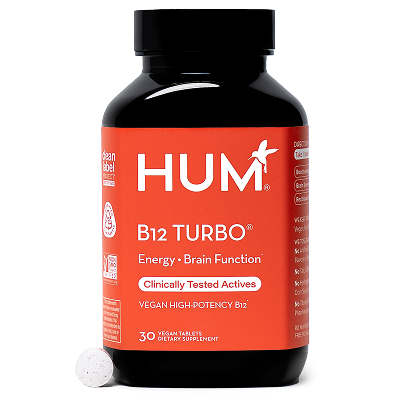
Dietitian Tip: Look for a B12 supplement in the methylcobalamin form for better absorption, or consider a multivitamin that includes at least 100% of your daily value (DV). HUM’s B12 Turbo can be a great addition, depending on your current intake.
2. Iron
Iron is essential for oxygen transport and energy. Low iron can leave you feeling fatigued, short of breath, or even dizzy. Keep in mind, many of these symptoms can be easily confused with just “adjusting” to a new medication or lower calorie diet.
Interestingly, premenopausal people are already at higher risk of iron deficiency. But with smaller meals and less red meat intake (which is a top source of iron), this risk increases with GLP-1s.
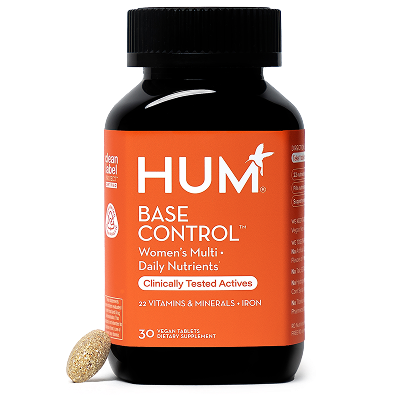
Dietitian Tip: If you’re feeling tired or cold all the time, talk to your healthcare provider about checking your iron levels. If supplementing, consider HUM’s Base Control, which provides 100% of the Daily Value for iron. Plus, it provides other nutrients cited in the study, such as folate and magnesium.
3. Vitamin D
The sunshine vitamin does more than support bones. It’s also critical for a strong immune system, mood, and even weight regulation. Yet, vitamin D is one of the most common deficiencies in the U.S.
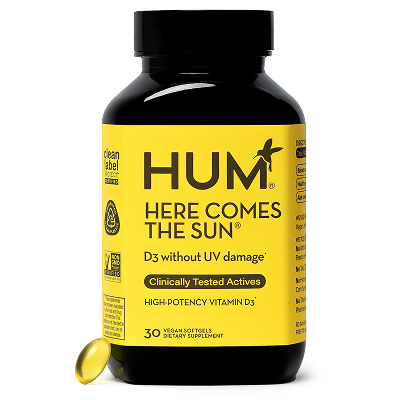
Dietitian Tip: Vitamin D3 is the most bioavailable form. A daily dose of 1,000–2,000 IU is often recommended, but blood levels (25(OH)D) can help you personalize your dose. HUM’s Here Comes the Sun delivers 2000 IU of plant-based vitamin D3 in one convenient daily softgel.
4. Protein
While not a micronutrient, protein deserves a special shoutout. GLP-1 medications help reduce overall food intake, but they don’t selectively curb cravings. In fact, you are likely to just eat less of everything. That means you could fall short on protein, which is key for:
- Preserving lean muscle mass
- Supporting metabolism
- Promoting satiety and blood sugar balance
Dietitian Tip: Aim for 20–30 grams of protein per meal. If that feels hard to hit with whole foods alone, adding a digestion-friendly protein powder can help you meet your goals with ease. HUM’s Core Strength is a great no-bloat option that is complete with a full range of amino acids.
5. Fiber
GLP-1 medications slow down digestion overall. This can lead to one of the most common side effects people experience: irregularity. And when you’re eating less overall, your fiber intake often takes a hit, too.
Fiber plays a key role in digestive health, blood sugar regulation, and even cholesterol management. It also helps keep your bowel movements regular. Naturally, this is a big deal when you’re dealing with a sluggish gut.
Dietitian Tip: Aim for at least 25–30 grams of fiber per day from a combination of fruits, vegetables, legumes, and whole grains. If you’re not getting there consistently, a fiber supplement can help fill in the gaps. HUM’s Flatter Me Fiber is a great option that provides prebiotic fiber to support digestion and regularity without the bloating that some fiber powders can cause.
Conclusion on Weight Loss Medication Nutrients
GLP-1 medications can be powerful tools for weight loss, but they also change how you eat, digest, and absorb nutrients. The result? Higher risk of falling short on key vitamins and minerals that keep your body functioning at its best.
The good news is that you don’t need to overhaul your diet overnight. With a few targeted additions, whether through food, supplements, or a smart multivitamin, you can stay on track during your GLP-1 journey.
As always, talk to your healthcare provider or dietitian before starting any new supplement, especially if you’re taking a prescription weight loss drug.
The post 5 Key Nutrients You May Need While Taking Ozempic, or Any Other Weight Loss Drug appeared first on HUM Nutrition Blog.
]]>The post Complete Guide to Summer Weight Management appeared first on HUM Nutrition Blog.
]]>Fortunately, a few, easy-to-implement tips (straight from a dietitian) can help you stay on track all summer long. Consider this your complete guide to healthy summer weight management.
5 Tips for Summer Weight Management
The best way to set yourself up for success is to tailor your strategy to your summer itinerary. This means, setting realistic goals that are practical to follow on a daily basis, despite your plans– most of the time. Remember, consistency beats perfection, which can be a helpful reminder when you feel like you’re out of your typical routine.
Need ideas on summer-friendly goals to support weight loss? Here are 5 tips to get you started.
Hit Your Fiber Goal
Think of hitting your fiber goal as the ultimate hack for managing your weight. Instead of focusing on counting calories and grams of protein this summer (which can be tough while you’re out and about), focus on adding fiber to your meals and snacks. This is incredibly easy to do given that many seasonal fruits are loaded with fiber. Think avocado, berries, bananas, and pears – all of which make convenient and tasty additions to your diet.
But why fiber? Getting enough fiber is an important part of a weight loss plan. Fiber can help promote feelings of fullness, which can help you consume less calories, and it can support your body’s elimination of waste by helping to keep you regular.
If you’re on the go, you might also consider mixing in a fiber powder into your water tumbler to help you meet your goal. We recommend HUM’s Flatter Me Fiber GLP-1 Booster, which tastes like strawberry lemonade and delivers 10 grams of dietary fiber.
Get Your Summer Steps In

No weight loss plan is complete without some form of physical activity. However, summer plans can make it challenging to stick to a regular workout regimen. Fortunately, the warmer weather offers up a ton of opportunities for daily movement. For instance, with the sun setting later, you can plan a sunset walk to maximize your step count – bonus points if this is following a meal as this will help optimize your blood sugar levels, helping with cravings and energy.
Other summertime activities that boost movement include:
- Biking
- Hiking
- Swimming
- Sports (tennis, pickleball, etc.)
- Walking at the mall
Don’t forget to wear your SPF and other sunblock measures to keep your skin healthy during peak UV hours.
Practice Mindful Portions
The secret to losing weight while also enjoying your favorite summer foods is portion control. I know, it sounds obvious, but smart portions can be the difference between a calorie deficit or consuming a surplus that reverses your efforts.
Now, healthy portions doesn’t mean that you need to use a food scale at the summer cookout. It simply means that you should familiarize yourself with building a balanced plate that provides enough of each food group to keep you satisfied and on track. You can easily eyeball your portions using your hand as a guide.
Here’s a quick portion guide using just your hand:
- Palm of your hand = 3oz of protein (chicken, turkey, fish, etc.)
- Closed fist = 1 cup carbs (rice, fruit, popcorn, etc.)
- Tip of thumb = 1 oz healthy fats (cheese, dressing, peanut butter)
If you struggle with food cravings or managing your appetite, consider trying HUM’s Flatter Me Fiber GLP-1 Booster, which naturally boosts our GLP-1 hormone to promote feelings of fullness.
Swap Out Frozen Treats
Ice cream, popsicles, milk shakes and juices are among the tastiest ways to beat the summer heat. But unfortunately, their sugar and calorie content can make them less than ideal for supporting weight loss.
The good news is there are many ways to “healthify” your favorite summer treats. For instance, instead of store bought popsicles, try making them at home with fresh fruit instead. We love this Mango Raspberry Popsicle recipe by Jessica Bippen, MS, RD.
Other healthy swaps include eating frozen yogurt instead of ice cream and fresh fruit smoothies instead of milkshakes. You can easily boost their protein content by adding HUM’s Core Strength no-bloat vanilla protein powder.
Don’t Drink Your Calories
Last but not least, one of the simplest ways to stay on track with your weight goals is to be mindful of what you drink. Sugary beverages like soda, sweetened iced teas, and even some cocktails can pack a surprising number of empty calories. Plus, they add up fast without keeping you full.
By minimizing high-calorie drinks, you leave more room in your day for satisfying, nutrient-rich meals (and even the occasional treat). Plus, staying hydrated is especially important in the summer heat, when dehydration can sneak up quickly.
Opt for refreshing, low-calorie options like:
- Still or sparkling water with lemon, lime, or cucumber slices (great for mocktails!)
- Unsweetened iced green or herbal tea
- Homemade agua fresca made with fruit, water, and a splash of lime
Both your body and energy levels will thank you.
Bottom Line on Weight Management
This summer, skip the extremes and embrace a routine that supports your plans, body and goals. Prioritize whole, nutrient-dense foods, hydrate often, and supplement wisely.
The post Complete Guide to Summer Weight Management appeared first on HUM Nutrition Blog.
]]>The post GLP-1 and Ozempic: Are They The Same? appeared first on HUM Nutrition Blog.
]]>
In this article, we will explain what you need to know about GLP-1 and Ozempic, what they are, how they relate, and, more importantly, how they can impact weight goals.
Is GLP-1 the Same as Ozempic?
No, GLP-1 and Ozempic are not the same thing, but they are closely related. GLP-1 is a naturally occurring hormone, while Ozempic is a prescription medication that mimics its effects to help manage type 2 diabetes, and in some cases, obesity.
Differences Between GLP-1 and Ozempic
GLP-1, short for glucagon-like peptide-1, is a hormone released by the intestines in response to eating. While it’s often associated with weight loss, GLP-1 plays several important roles in how the body processes food.
On the other hand, doctors prescribe Ozempic to help manage type 2 diabetes. It belongs to a class of drugs called a GLP-1 agonist and is typically available as an injection. Adults with obesity or those who are overweight with an existing health condition also use Ozempic to support weight management.
Similarities Between GLP-1 and Ozempic
The main similarity is that Ozempic mimics how GLP-1 works in the body.
GLP-1 is released into the bloodstream after your first few bites of food, triggering the release of insulin. This action helps support healthy blood sugar levels. Additionally, GLP-1 slows down the rate of digestion, helping to create feelings of fullness.
As such, increasing GLP-1 levels naturally, often by prioritizing foods containing high amounts of protein and fiber, has become increasingly popular in those looking to manage weight and cravings. Many people also opt for supplements that help stimulate the natural release of GLP-1, like HUM’s Flatter Me Fiber GLP-1 Booster.
Similar to GLP-1, Ozempic injections help to regulate blood sugar by triggering the release of insulin. Ozempic also slows digestion, helping its users to manage their appetite, cravings, and overall calorie intake.
In both cases – whether it’s through promoting the natural release of GLP-1 via diet or supplements, or through Ozempic injections, people can expect to feel differences in their appetite.
Is GLP-1 the Same as Ozempic: Conclusion
In summary, GLP-1 is not the same as Ozempic. However, they are closely connected – GLP-1 is a naturally occurring hormone, and Ozempic is a medication that mimics its effects to manage type 2 diabetes and obesity. As a result, both work to balance blood sugar, slow digestion, and promote feelings of fullness.
The post GLP-1 and Ozempic: Are They The Same? appeared first on HUM Nutrition Blog.
]]>The post Top 3 Healthy Energy Drinks, According to a Dietitian appeared first on HUM Nutrition Blog.
]]>Consider this your go-to guide for dietitian-approved healthy energy drinks.

What makes an energy drink healthy?
Whether it’s to power a morning run, stay focused at work, or to push through a long day, energy drinks promise increased alertness and stamina.
The best energy drinks, however, provide more than just caffeine – they may include electrolytes for hydration, B vitamins for metabolism, or adaptogens to support stress and focus. Unfortunately, some rely on high doses of caffeine and sugar, leading to energy crashes and potential health concerns. That’s why it’s important to consider caffeine content, added sugars, ingredient quality, and overall nutrition when choosing a healthier option.
Opting for an energy drink with moderate caffeine (up to 200 mg per serving), little to no added sugar, and clean ingredients can help you stay energized without the crash. Below, we’ll break down some of the healthiest options available and what makes them stand out.
3 Healthiest Energy Drinks
- Guayakí Yerba Mate
If you’re looking for a plant-based, antioxidant-rich alternative to conventional energy drinks, Guayakí Yerba Mate’s low sugar cans are a top contender. They provide a natural caffeine boost that enhances alertness and energy. At 80 mg of caffeine per can, this is an ideal beverage for those who want an energy boost without the jitters associated with drinking higher amounts of caffeine.
Unlike other energy drinks, Guayakí’s caffeine is naturally derived from yerba mate tea leaves that are carefully treated through a smoke-free, air-drying process to preserve the purity and rich flavor of their tea leaves, ensuring a clean and high-quality brew.
Moreover, Guayakí yerba mate tea leaves naturally contain polyphenols that are high in antioxidants and theobromine, an alkaloid found in dark chocolate that promotes mood and cognitive health.
Key highlights:
- 80 mg caffeine
- 1g total sugars
- 15 calories
- USDA Organic
- Wide range of flavors
- Celsius
Celsius is a popular energy drink known for its metabolism-boosting ingredients. It’s a great option for those looking for pre-workout fuel as each can delivers a moderate 200 mg of caffeine sourced from natural ingredients like green tea and guarana.
The best part? Celsius has 6 published clinical studies to support their metabolism benefits. In fact, studies show that the MetaBlendⓇ in Celsius can increase thermogenesis (i.e. your metabolism), to help you burn more calories and body fat.
Additionally, Celsius contains zero sugar, no artificial preservatives, and is packed with essential vitamins like B12 and biotin to support energy production. Impressively, it’s formulated without aspartame and high-fructose corn syrup, making it a cleaner choice compared to many sugar-free energy drinks.
Key highlights:
- 200 mg caffeine
- Zero sugar
- 10 calories
- Clinically shown to boost metabolism
- Wide range of flavors
- Zoa
Zoa is an energy drink that blends natural caffeine, electrolytes, and immunity-boosting nutrients for a well-rounded energy boost. Popularized by its creator Dwayne “The Rock” Johnson, it packs a moderate 160 mg of caffeine from green tea and unroasted coffee beans, delivering steady energy. Plus, it’s packed with vitamin C from camu camu and acerola cherry, along with B vitamins to support metabolism and overall wellness.
Unlike many energy drinks loaded with artificial ingredients, Zoa boasts a label that is free from preservatives, as well as artificial flavors. Zoa is also zero sugar and includes electrolytes like potassium and magnesium, for added hydration benefits.
Key Highlights
- 160 mg caffeine
- Zero sugar
- 10 calories
- Contains antioxidants, electrolytes, B vitamins, and amino acids
Final Takeaways
As you can see, not all energy drinks are created equal. With that said, choosing the right one comes down to caffeine source and amount, sugar content, and ingredient quality. When shopping for an energy drink, consider your caffeine tolerance, flavor preferences, and sugar intake. Finally, while energy drinks can provide a quick pick-me-up, nothing beats a balanced diet, hydration, and regular movement for sustained energy in the long run.
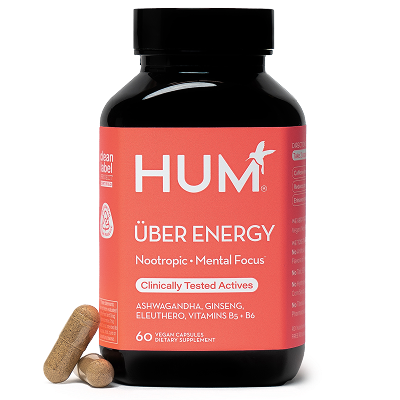
For well-rounded energy support, consider a daily supplement such as HUM’s Uber Energy which combines B vitamins with adaptogens that address both mental and physical fatigue.
The post Top 3 Healthy Energy Drinks, According to a Dietitian appeared first on HUM Nutrition Blog.
]]>