
Jessica Nelson, Author at HUM Nutrition Blog https://www.humnutrition.com/blog/author/jessica-nelson/ The Wellnest | Beauty From The Inside Out Tue, 20 Dec 2022 04:53:50 +0000 en-US hourly 1 https://wordpress.org/?v=6.7.4 Is Carbonated Water Actually Good for You? A Dietitian Answers https://www.humnutrition.com/blog/is-carbonated-water-good-for-you/ Mon, 28 Jun 2021 20:55:30 +0000 https://www.humnutrition.com/blog/?p=24902 Is carbonated water good or bad for you? Jessica Nelson, RDN, CPT, investigates. Carbonated water—and seltzer in particular—is exploding in popularity. In fact, this market is one of the fastest growing non-alcoholic beverage categories today. In 2018, $22.1 billion in sparkling water/seltzers were sold. Annually since then, this figure has only increased. By the end […]

The post Is Carbonated Water Actually Good for You? A Dietitian Answers appeared first on HUM Nutrition Blog.

]]>

Is carbonated water good or bad for you? Jessica Nelson, RDN, CPT, investigates. Carbonated water—and seltzer in particular—is exploding in popularity. In fact, this market is one of the fastest growing non-alcoholic beverage categories today. In 2018, $22.1 billion in sparkling water/seltzers were sold. Annually since then, this figure has only increased. By the end of 2021, the projected market value rings in at $33.46 billion. All things considered, you may wonder: Is carbonated water healthy? Here, we’ll explore the benefits of carbonated water, what to look out for, and more.

What is carbonated water?

Before we dive in, let’s start by understanding what carbonated water is. Simply put, it’s water that’s infused with carbon dioxide gas, under pressure, to produce small bubbles. Then, several different kinds of carbonated water fall within this beverage category. Different types include the likes of:
  • club soda
  • tonic water
  • sparkling mineral water
  • seltzer (aka sparkling water)
Pouring seltzer into glass Many popular brands—like La Croix, bubly, Spindrift, Sparkling Ice, and Perrier—define their beverages as “sparkling water.” However, there’s really no difference between that term and the word “seltzer.” Companies do this since there’s no FDA regulation on identifying the difference when it comes to soft drinks. In fact, there’s little regulation on carbonated waters, with the exception of sparkling mineral water. The FDA sets Good Manufacturing Practices (GMP) for carbonated water for additives, contact substances, and nutrition labeling. However, carbonated waters have no quality testing regulation and no set limits on contaminants, unlike bottled water.


Types of Carbonated Water

From a nutritional standpoint, here’s what differentiates the various types of carbonated water.

Club Soda

Club soda has added minerals like potassium sulfate, sodium chloride, disodium phosphate, and sodium bicarbonate.

Tonic Water

Tonic water has minerals as well as the compound quinine, which provides its bitter taste.

Sparkling Mineral Water

Sparkling mineral water is naturally carbonated from spring water. True to its name, it’s a natural source of minerals including sodium, magnesium, and calcium.

Seltzer (aka Sparkling Water)

Seltzer doesn’t naturally contain minerals. Additionally, it commonly contains ingredients such as sugar, juice, and/or artificial sweeteners for added flavor. Woman drinking seltzer to stay hydrated

So, is carbonated water good for you?

At the end of the day, carbonated water is a healthy, good-for-you beverage. Here’s a closer look at the benefits of carbonated water.

It’s Just as Hydrating as Water

Perhaps one of the most common FAQs about carbonated water is this: Is it as hydrating as regular water? It turns out the answer is yes. A 2015 study in the American Journal of Clinical Nutrition found that, compared to plain water, it’s no different in how it hydrates the body. That said, we all could benefit from drinking more bubbles if it helps us stay hydrated. This fact rings especially true for those who don’t love the taste of water and/or fail to meet their daily fluid needs.

It’s a Healthier Alternative to Other Beverages

Many types of carbonated water contain zero sugar. This makes them a healthier alternative to manufactured juices, sports drinks, energy drinks, and regular sodas. Of course, drinking each of these beverages is fine in moderation. However, when it comes to staying hydrated throughout the day, zero-calorie or no-added-sugar drinks (like sparkling water) are preferable options.

It May Aid Digestion

Gas and bloating are natural side effects of sipping on drinks with bubbles. But can these beverages actually make your stomach feel better—or worse? Honestly, the existing research isn’t so clear. To begin, some literature suggests that carbonated water may actually people who experience digestive issues. One 2009 review of studies found that it may help improve indigestion and constipation, as well as promote early satiety.

…Or It May Not

Experience more intense and ongoing digestive issues such as IBS or acid reflux? If so, you’ll likely want to limit your intake of seltzer and other carbonated drinks. Drinking over 10 ounces of carbonated water daily can potentially exacerbate symptoms of reflux. Woman pouring fruit-infused seltzer into glass at garden party

What to Watch Out For

Finally, when it comes to how healthy carbonated water is for you, there are potential cons when it comes to additives. Some seltzers and associated drinks contain ingredients such as:
  • sodium
  • caffeine
  • citric acid
Again, all three are safe to consume in moderation—but there are a few things you should be mindful of first.

Sodium

The sodium content in carbonated beverages is typically low. By nutrition labeling standards, it’s considered low sodium (140 milligrams or less per serving) to very low sodium (35 milligrams or less per serving). If you need monitor your sodium intake for health reasons, just be aware that carbonated water is a potential source of extra sodium.

Caffeine

The caffeine content in certain carbonated drinks is likely no more than the amount in a Coke or Pepsi can, which is about 35 milligrams. However, caffeine can irritate reflux. Therefore, if you have acid reflux and/or are sensitive to caffeine, use caution when drinking seltzer and the like.

Citric Acid

Lastly, manufacturers add citric acid to tons of foods and drinks, such as soda. It even exists naturally in foods like fruit. It’s important to be mindful of your citric acid intake, as it may contribute to the erosion of tooth enamel. Those with dental health issues should be especially cautious.

The Bottom Line

At the end of the day, carbonated water is good for you. In sum, it quenches your thirst just as well as water to keep you hydrated throughout the day. Seltzers and other types of carbonated water pose few drawbacks and taste great, which is why it gets this dietitian’s stamp of approval.

The post Is Carbonated Water Actually Good for You? A Dietitian Answers appeared first on HUM Nutrition Blog.

]]>


The 5 Best Supplements for Your Summer Beauty & Wellness Concerns https://www.humnutrition.com/blog/best-supplements-for-summer/ Mon, 14 Jun 2021 21:25:06 +0000 https://www.humnutrition.com/blog/?p=24556 Jessica Nelson RDN, CPT, outlines the best supplements for summer to address your most common beauty and wellness concerns all season long. For many of us, summer is our favorite time of year. Between the warm weather, sunshine, outdoor activities, and cute outfits, summer rocks. However, as with most good things in life, there are […]

The post The 5 Best Supplements for Your Summer Beauty & Wellness Concerns appeared first on HUM Nutrition Blog.

]]>

Jessica Nelson RDN, CPT, outlines the best supplements for summer to address your most common beauty and wellness concerns all season long. For many of us, summer is our favorite time of year. Between the warm weather, sunshine, outdoor activities, and cute outfits, summer rocks. However, as with most good things in life, there are some concerns that can get in the way. With that said, we’ll identify the some of the most common summertime beauty and wellness concerns and the best supplements to help conquer them.

5 of the Best Summer Supplements

Of course, this list of the best supplements for summer aren’t limited to sunny weather and high temperatures. However, they address concerns that many people tend to experience throughout this season. That said, now’s a good a time as any to up your supplement routine to maximize summer fun.
 
View this post on Instagram
 

A post shared by HUM Nutrition (@humnutrition)

1. Digestive Enzymes / FLATTER ME

Best for: Reducing Bloat

First things first, I’d like to make something clear: All bodies are summer bodies! That said, banishing belly bloat to help you look and feel your best in a swimsuit doesn’t hurt. To begin, there are many causes behind bloating, especially in the summer. Summertime is known for BBQs, trips to the ice cream shop, and pool or beach parties. Simply put, these are all places you’re likely to find high-sugar foods, alcohol, carbonated drinks, salty snacks, and high-fiber veggies like corn on the cob and coleslaw. These types of foods and drinks contain sugars and/or indigestible carbohydrates that are harder for our bodies to digest. For some, they may cause unpleasant GI symptoms, with bloating among them. However, avoiding these foods and drinks may not always be realistic or desired. To support digestion and keep the fun in the sun going, try to eat more foods with natural digestive enzymes. Those include:
  • pineapple
  • kefir
  • papaya
  • avocado
  • banana
  • ginger
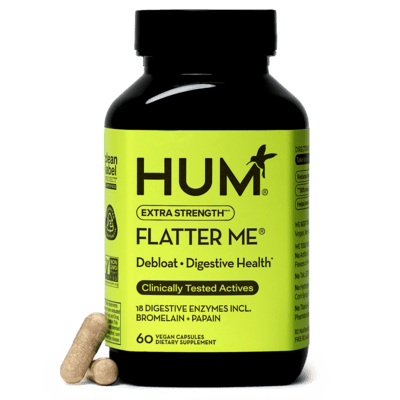
In addition, when it comes to supplements to help reduce summer bloating, look to HUM’s Flatter Me. It’s packed with 18 full-spectrum digestive enzymes to break down protein, carbs, fiber, and fats. It also includes ginger, peppermint, and fennel seed to soothe indigestion and enhance nutrient absorption.
 
View this post on Instagram
 

A post shared by HUM Nutrition (@humnutrition)

2. Vitamin D / Here Comes the Sun

Best for: Getting the Sunshine Vitamin

The sun helps our bodies make vitamin D, which is an essential nutrient for immunity, bone health, and mood support. However, the sun’s rays are also damaging to skin—even if you don’t burn easily. Exposing your skin to the right amount of sun depends on a number of factors, including your skin type and your body’s requirement for adequate vitamin D absorption. To ensure you reach adequate levels, I recommend:
  • eating vitamin D3 food sources (like fish, eggs, fortified dairy, and cereal products)
  • getting some sun exposure (15 minutes on average)
  • taking vitamin D supplements
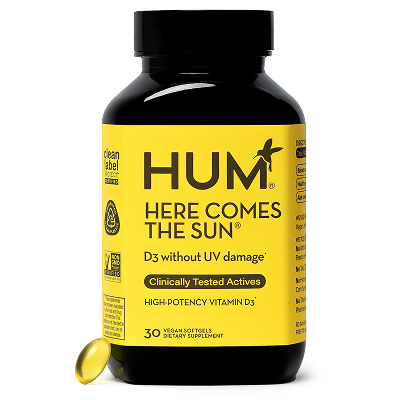
Here Comes the Sun—HUM’s high-potency, vegan vitamin D3 supplement—provides 2,000 IUs in a once-daily softgel. Fortunately, it gives you all the benefits of sunshine, minus the UV damage.
 
View this post on Instagram
 

A post shared by HUM Nutrition (@humnutrition)

3. Polypodium Leucotomos / Turn Back Time

Best for: Minimizing UV Damage

That said, if you do enjoy your fun in the sun, it’s essential to protect your skin and body from the sun’s potent rays. Of course, SPF is a must. But on top of that, you can supplement with polypodium leucotomos, a fern known for its ability to help shield skin from free radical damage caused by UV rays. You can find this sun-safe powerhouse in Turn Back Time. Bonus: It’s bolstered by skin-protective, antioxidant-rich ingredients including:
  • lutein
  • green tea extract
  • turmeric
 
View this post on Instagram
 

A post shared by HUM Nutrition (@humnutrition)

4. Detoxifiers / Daily Cleanse

Best for: Clearing Breakouts + Eliminating Toxins

The hot summer weather increases humidity in the air, and all that humidity can leave us sweaty and sticky. Ick! On top of that, bacteria, oil, and dirt that sit on skin get trapped by sweat. From there, it can settle into your pores, leading to breakouts. Skin bacteria also feeds off the sweat, creating an acid byproduct that can cause foul body odor. Double ick! Keeping up with hygiene and moisturizing to soothe inflamed skin and reduce the stink is just one of the ways you can support your skin externally. Then, you can minimize breakouts and potentially be less odorous by: To soothe and balance skin, HUM’s Daily Cleanse may very well be your favorite supplement for summer. Combining detoxifying herbs, green algae, antioxidants, and minerals, this powerful blend supports skin and digestion through even the toughest (and sweatiest) summer days.
 
View this post on Instagram
 

A post shared by HUM Nutrition (@humnutrition)

5. Collagen + Vitamin C / Collagen Pop

Best for: Nourishing Aging + Dehydrated Skin

Dehydration is one of the most common summer concerns, as many people don’t realize just how much their water needs increase in the heat. When it’s hot out, your skin produces sweat to help cool you off. If you don’t replace those lost fluids quickly enough, your health and beauty can suffer. When you don’t drink enough H2O on a consistent basis, you may:
  • experience symptoms including headache, darker urine + muscle cramps
  • exacerbate dry or dehydrated skin
  • develop more fine lines + wrinkles
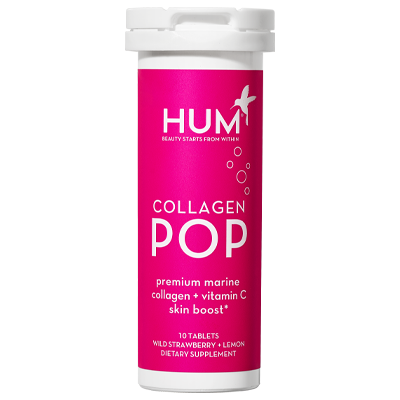
To meet minimum fluid needs, protect against heat exhaustion, and boost dull and aging skin, be sure to up your water intake. I recommend drinking around eight to 10 cups of water daily, and even more if you exercise often and/or sweat easily. A tasty way to boost your hydration status and lock in skin moisture is by supplementing with HUM’s Collagen Pop. These strawberry-lemon dissolvable tablets are formulated with marine collagen and vitamin C for firmer, more hydrated skin.

The post The 5 Best Supplements for Your Summer Beauty & Wellness Concerns appeared first on HUM Nutrition Blog.

]]>
7 Easy Tips on How to Eat More Sustainably https://www.humnutrition.com/blog/how-to-eat-more-sustainably/ Mon, 19 Apr 2021 21:08:04 +0000 https://www.humnutrition.com/blog/?p=24027 Jessica Nelson, RDN, CPT, shares how to eat more sustainably with seven simple tips. When we talk about eating sustainably, it’s important to first understand what certain terms in this space mean. From there, we’ll delve into the importance of eating sustainably and how to do so. What is food sustainability? Food sustainability entails applying […]

The post 7 Easy Tips on How to Eat More Sustainably appeared first on HUM Nutrition Blog.

]]>
Jessica Nelson, RDN, CPT, shares how to eat more sustainably with seven simple tips. When we talk about eating sustainably, it’s important to first understand what certain terms in this space mean. From there, we’ll delve into the importance of eating sustainably and how to do so.

What is food sustainability?

Food sustainability entails applying practices in the production of plant and animal products that focus on lowering the depletion of natural resources and lessening their environmental impact. From there, sustainable eating is about reducing our food waste by choosing nutritious foods that both benefit our bodies and help out the environment.

The Problem with Food Waste

Food waste is also a problem from an economic standpoint. Cumulatively, 30 to 40 percent of the US food supply goes to waste each year. This amounts to about 80 billion pounds of food annually, which is valued around a whopping $161 billion. The food supply chain—which consists of production, processing, transportation, retail, and consumption—has many instances that contribute to food waste. Some examples include:
  • spoils during transportation
  • poor storage
  • excess ordered inventory
  • undesirable “ugly” produce
Then, of course, we have the environmental concerns to account for. As food decomposes in landfills, it emits greenhouse gases, which amounts to eight percent of global greenhouse gas emissions. By increasing awareness of this global concern and taking action, we can all work together to minimize food waste. Food handlers packing up a shipping truck to deliver food to grocers, the process of which can lead to issues with food sustainability

How to Eat More Sustainably

Here’s a quick guide to sustainable eating, with seven tips you should be able to incorporate.

1. Eat Seasonally

Choosing fresh produce when it’s in harvest is a great way to reduce food waste. Specifically, this food sustainability tip:
  • helps out local farms
  • reduces spoilage during long transports
  • ensures that the product is fresher, tastier, and more nutrient-dense
A good rule of thumb is to eat fresh when in season, and eat frozen and/or canned otherwise. To figure out what’s in season based on where you live, buy produce at your local farmers market or check out the Seasonal Food Guide to easily search for in-season produce by state and month.

2. Store Produce Strategically

Proper produce storage is important to maintain freshness and help your haul last longer, both inside and outside the fridge. Simply put, this equates to fewer fruits and veggies that get tossed. Here’s a quick guide to help you store produce like a pro.

Store in a Cool, Dry Place (Not in Fridge):

  • bananas
  • tomatoes
  • potatoes
  • mushrooms
  • eggplant
  • winter squash 

Store in Fridge:

  • apples
  • lemons and limes
  • asparagus (wrapped in a moist paper towel)
  • carrots
  • broccoli
  • green beans
  • grapes, blueberries, cherries, strawberries (in plastic bags with vents)
  • lettuce (washed and dried before storage)
  • most fruits and veggies

Store at Room Temperature:

  • garlic and onions
  • mangoes, avocado, plums, peaches, and pears (ripened in brown bag, then put in fridge)
  • pineapple (upside down for one or two days, then stored in fridge)
  • kiwi
  • oranges
  • whole melons
Woman prepping storage containers with produce as an easy sustainable eating tip

3. Shop Local

Buying food at a nearby farmers market is the best way to access locally grown fresh food. When it comes to food sustainability, shopping locally helps to reduce fuel cost and CO2 emissions during food transport. (Bonus: There’s also a greater variety of options, meaning you may be apt to try something new!) Another perk is getting to speak directly to the farmer, which is a great way to learn about how your food was grown. They can also share expert tips on how to prepare or store the food. To find your local farmers market, check out the UDSA’s Farmers Market Directory, where you can search by ZIP code. From there, if you’re new to the farmers market, try to scale down your expectations of what produce should look like. Misshapen “ugly” produce hardly gets purchased, and grocery stores have even started to throw it out before placing it on the shelves. But just because it’s ugly doesn’t mean that it’s not nutrient-dense or delicious! There are several programs whose mission is to reduce ugly produce waste by offering direct-to-consumer delivery. Companies like Misfits Market offer organic, sustainably sourced produce at significantly lower prices than you’ll find at the grocery store. Other sustainable produce delivery services include Hungry HarvestImperfect Foods, and Farmer Jones Farm.

4. Plan Before You Buy

Interested in saving money and food? Who wouldn’t be? Planning your meals in advance helps to reduce impulse purchases and increase awareness about how much food is actually necessary for meals. The US Environmental Protection Agency offers the Food: Too Good to Waste campaign, which provides resources to reduce wasteful food management practices. Check out their Smart Shopping template to create a grocery shopping list for less wasteful meal planning. Additionally, there are other helpful handouts on prepping and storing food, plus how to create an “eat first” section in your fridge. Next, buying strategically not only assists with sustainable eating, but also knowing when to throw out your food. A staggering 80 percent of food gets discarded before it actually spoils, largely on account of misinterpreting food expiration labels, such as:
  • “best by”
  • “use by”
  • “best before”
  • “sell by”
Such labels aren’t always the best indicators if food has spoiled—and quite frankly, they can be confusing! In fact, these terms and dates aren’t unanimously regulated, and are often only recommendations set by the manufacturer based on food quality (and not when the food will actually expire). To help shed some light on these confusing labels, the Grocery Manufacturers Association, the Food Marketing Institute, and Harvard University complied a report to help simplify food expiration labels while still capturing the quality and safety of food:
  • “Best If Used By” is all about quality. The product may not taste or perform texturally as expected past this date, but it’s still safe to consume.
  • “Use By” applies to products that are perishable and may have food safety concerns over time.
Lastly, you can always use your senses and gut instinct. Smelling, looking, and tasting food before tossing it are better options to determine when food is past its prime. Chickpeas in bulk at the farmers market; this sustainable eating tip can save the environment and your money

5. Buy in Bulk

Buying food in bulk quantities is a great way to save money. It also helps reduce plastic waste, as well as other food trash that ends up in landfills. According to the EPA, over 20 percent of food containers and packaging contribute to total waste generation in landfills. Some of the best foods to buy in bulk include:
  • coffee
  • nuts and nut butters
  • oatmeal
  • dried fruit
  • candy
  • beans and lentils
  • rice and quinoa
  • pasta
Fortunately, bulk buying is no longer limited to the likes of Costco or Sam’s Club. For digital purchases, a good place to start is BulkFoods.com. Otherwise, check out the Zero Waste Home app for a quick search of your area on where to find bulk food retailers.

6. Eat Less meat

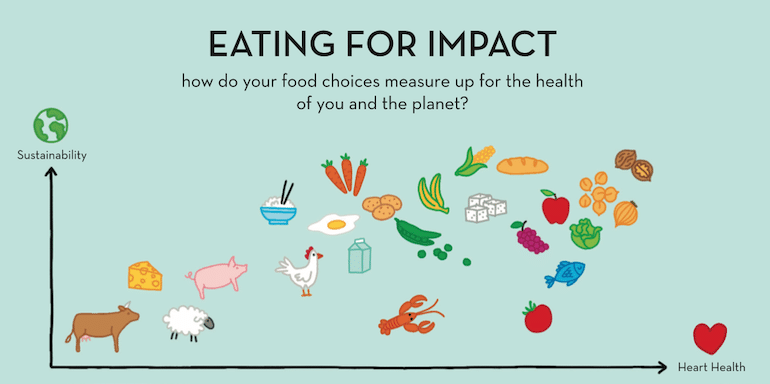
Eating more plant-based meals supports sustainable eating, as raising livestock requires a host of natural resources such as water, grain, and land. In addition, the entire cycle of getting meat to consumers wastes significant amounts of energy. It releases greenhouse gas emissions during every stage of transporting, processing, packaging, marketing, selling, purchasing, and even cooking. In fact, the depletion of natural resources and  insufficient energy use contributes up to 20 to 30 percent of greenhouse gas emissions and two thirds of water use. Note: Carnivores don’t have to cut out meat completely to benefit the planet or their own health. A 2019 review concluded that if Americans were to replace 25 percent of meat-based proteins to plant-based alternatives and reduce the rest of their overall intake of meat by 25 percent, this would reduce CO2 emissions by 40 percent and decrease water usage by 10 percent. Illustrated chart of how certain foods impact the environment and heart health Here are a few simple tips to reduce your meat intake:

  • observe Meatless Mondays
  • plan out plant-based meals in advance
  • ask plant-based friends for their favorite meatless recipes
  • combine meat and plant-based proteins
  • aim to cut out processed meats (bacon, deli meat, sausages) first

7. Donate Excess Food

With 35 million people in the US struggling with hunger and food insecurity, allocating excess food into the hands of these individuals is vital. Try to donate extra food to food banks, soup kitchens, homeless shelters, or other local organizations instead of tossing these items out. Feeding America has an online food bank search to locate the nearest one to you. USDA’s Hunger Free America is another online food assistance search option. You can also inquire with your city/county to learn about food drives and other ways to donate food in your community. Then, other tips to reduce or reuse excess food include:
  • bringing reusable containers for leftovers when dining out
  • splitting meals with others at restaurants
  • portioning less at self-serve food bars and buffets
  • making the most of your leftovers
  • giving animal-friendly food scraps to your pet or livestock
Last but not least, composting is great for your garden and reducing food waste. (Compostable food scraps include egg shells, fruit and vegetable skins, coffee grounds, and nut shells.) Donation box of fresh foods to help the environment and community

The Bottom Line

Sustainable eating is a worthy lifestyle practice to simultaneously encourage good health and preserve our planet. By following one or more of the food sustainability tips above, you can get your necessary nutrients while also decreasing your carbon footprint and even saving money. As always, progress is the main goal as we learn how to eat more sustainably. It’s important that we all do our part to reduce food waste and help protect the environment.

The post 7 Easy Tips on How to Eat More Sustainably appeared first on HUM Nutrition Blog.

]]>
The Ultimate Guide to the Best Foods for Muscle Recovery https://www.humnutrition.com/blog/best-foods-for-muscle-recovery/ Mon, 15 Mar 2021 19:05:38 +0000 https://www.humnutrition.com/blog/?p=23522 Want to build muscle and take your fitness goals to the next level? Complement your workout with the best foods for muscle recovery, vetted by dietitian and trainer Jessica Nelson, RDN, CPT. Overworked and tired muscles leave you feeling sluggish and sore, making it difficult to give 100 percent to your next workout. To better […]

The post The Ultimate Guide to the Best Foods for Muscle Recovery appeared first on HUM Nutrition Blog.

]]>
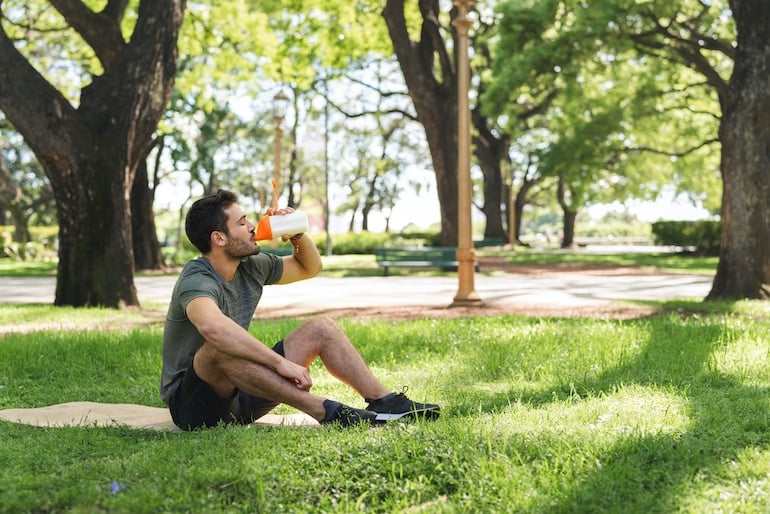
Want to build muscle and take your fitness goals to the next level? Complement your workout with the best foods for muscle recovery, vetted by dietitian and trainer Jessica Nelson, RDN, CPT. Overworked and tired muscles leave you feeling sluggish and sore, making it difficult to give 100 percent to your next workout. To better reach your fitness goals, fueling your body—or more precisely, your muscles—following a workout certainly helps. Exercise routines like resistance training and high-intensity interval training (HIIT) are two typical workouts that break down muscle tissue. However, muscle inflammation and fatigue commonly result from all types of exercise, no matter the intensity. Without further ado, let’s explore your new go-to guide to the best recovery foods and nutrients.

Best Foods for Muscle Recovery

Here are the best foods for muscle recovery and growth, including why they’re essential for any recovery nutrition protocol.

1. Fluids + Electrolytes

First, since we lose a lot of fluids during exercise, rehydrating is essential. Even in mild cases, dehydration can contribute to muscle cramping. Of course, you should reach for water as your primary source to rehydrate. However, you may also benefit from drinking a low-calorie sports drink for added electrolytes to aid recovery, including potassium and sodium. Tip: Take your water intake to the next level by infusing it with water-dense and vitamin C-packed fruits and vegetables, such as:
  • watermelon
  • grapes
  • cucumbers
  • grapefruit
  • oranges
  • tomatoes
Man drinking protein shake for muscle recovery and repair

2. Protein

Next on the list of the best foods for muscle recovery: protein! Protein is among the best post-workout food types since it helps repair damaged tissue and stimulate new tissue growth. Research shows that ingesting up to 30 grams of whole-food protein sources post-exercise can improve muscle protein production. Aim to prioritize whole-food protein sources, as they’re satiating and nutrient-dense. Great choices include:
  • Greek yogurt and low-fat dairy (cheese, cottage cheese, milk)
  • lean meats (chicken, turkey, fish, beef)
  • eggs or egg whites
  • plant-based protein (beans, soybeans, nuts)
That said, protein powders are another great option to complement these protein-rich foods. Protein powder is an especially attractive option for active individuals in need of muscle-repair foods that are quick and easy to make. Tip: The best protein powder for muscle growth and recovery should provide all 22 amino acids (aka the building blocks of protein).

3. Carbohydrates

Lastly, ensure that you eat enough carbohydrates, as they help refuel the energy stores found in your muscles. When choosing carbohydrates as a post-workout food, aim for a mix of simple and complex carbohydrates. Together, both types of carbs help replenish energy stores after training. Simple carbohydrates include fruit sugar (fructose), glucose, and sucrose (table sugar). Foods with simple carbs include:
  • fruit + fruit juice
  • dried fruit
  • chocolate milk
  • honey
  • sports drinks
  • cereal
Then, complex carbs are higher in fiber. You can find them in fruits, as well as:
  • starchy veggies (corn, peas)
  • whole grains (bread, rice, oats)
  • plant-based foods (beans, chickpeas, lentils)
Tip: Timing is another important consideration when eating for muscle recovery. Aim to have a carb- and protein-rich snack or meal within 30 minutes to two hours post-workout to start to rebuilding tissue. Woman eating nuts for healthy post workout food

Post-Workout Food Ideas

In sum, combine protein and carbs to help your muscles recover after exercising. The optimal intake of both macronutrients will vary based on your level of physical activity, but here’s a list of post-workout snacks and meals to inspire your recovery nutrition plan. And don’t forget to hydrate!

Snacks for Muscle Recovery

  • a smoothie with frozen fruit, your milk of choice, chia seeds + protein powder
  • hard-boiled eggs, chocolate-covered almonds + clementines
  • Greek yogurt with granola + blueberries
  • cucumbers with hummus + a cheese stick
  • fruit + a protein sports bar
  • rice cakes with peanut butter + sliced banana with chocolate milk

Meals for Muscle Recovery

  • turkey and cheese sandwich with avocado, a handful of grapes + cucumbers with hummus
  • a veggie omelet with cheese, a side of avocado toast, turkey bacon + orange slices
  • Buddha bowl: greens topped with grilled chicken or chickpeas, quinoa, beets, tomatoes, olives, edamame, sweet potatoes + a drizzle of tahini vinaigrette dressing
  • a standard well-rounded plate: your choice of meat (baked fish, chicken) or plant-based protein, a starch (brown rice, sweet potato) + veggies (broccoli, asparagus, mixed veggies)
Man preparing smoothie as muscle repair food

The Best Nutrients for Muscle Recovery

The muscle-repair foods listed above are surely staples for your post-workout eating regimen—but what about other nutrients? If you want to go the extra mile, boost your diet with the following nutrients to round out your muscle recovery diet plan.

Vitamin C + Collagen

To begin, vitamin C offers anti-inflammatory benefits and produces collagen. Collagen is the most abundant protein in the body. On top of its beauty benefits, collagen provides structure and elasticity for your joints, connective tissues, and muscles. Plus, it’s boosted during post-workout recovery to promote the healing of muscle tissues.

Omega-3 Fatty Acids

Omega-3 fatty acids are another important nutrient that may benefit muscle recovery. Specifically, omega-3s EPA and DHA may help tame inflammation by reducing soreness and swelling. In fact, a 2018 study found that rugby players who supplemented their protein intake with EPA and DHA reduced muscle fatigue and soreness better than the protein-only group. Impressively, the participants in the omega-3 group also experienced a boost in “explosive power.”

Foods + Supplements

Because of their anti-inflammatory boosting qualities, consider adding collagen and omega-3 fatty acids to your recovery nutrition routine. Here’s a list of foods naturally rich in these nutrients. Helpfully, some of them overlap with the best foods for muscle recovery outlined above:
  • eggs
  • nuts + seeds
  • avocado
  • lean meats
  • chia seeds
  • sweet potatoes
  • bell peppers
  • pineapple
Last but not least, consider taking HUM’s Collagen Love capsules and/or OMG! Omega the Great fish oil supplement to boost your post-workout recovery.

The post The Ultimate Guide to the Best Foods for Muscle Recovery appeared first on HUM Nutrition Blog.

]]>

Does Exercise Actually Boost the Immune System? https://www.humnutrition.com/blog/does-exercise-boost-the-immune-system/ Mon, 30 Nov 2020 22:05:36 +0000 https://www.humnutrition.com/blog/?p=22055 Jessica Nelson, RDN, CPT, discusses the effects of exercise on the immune system. Protecting your immunity is as hot a topic as ever. It’s a given that making good lifestyle choices—such as getting adequate sleep, eating a balanced diet, lowering stress, and not smoking—are all habits that support your well-being. But what about physical activity? […]

The post Does Exercise Actually Boost the Immune System? appeared first on HUM Nutrition Blog.

]]>

Jessica Nelson, RDN, CPT, discusses the effects of exercise on the immune system. Protecting your immunity is as hot a topic as ever. It’s a given that making good lifestyle choices—such as getting adequate sleep, eating a balanced diet, lowering stress, and not smoking—are all habits that support your well-being. But what about physical activity? Does exercise boost immunity, or can it possibly do more harm than good? Let’s find out.

Does exercise boost the immune system?

The immune system is a complex system made up of cells, antibodies, proteins, and organs. They all work together to defend your body against sickness. As mentioned earlier, there are many habits that can help boost your immunity. And when it comes to the link between exercise and immunity, there are a number of studies showing positive results. Through research, we found that immune function is boosted after about 30 minutes of exercise. Even better, this benefit may last up to several hours after physical activity is complete. Man punching boxing bag to show the benefits of exercise and immunity

How does physical activity improve the immune system?

The immune system releases key defense cells into the blood in response to normal exercise-induced stressors. Luckily, the elevated number of cells circulating in the bloodstream during exercise can find and destroy invading pathogens. In short, exercise allows a greater opportunity for your immune system to do its job than if you weren’t exercising at all. A 2010 study of over 1,000 adult participants investigating the effects of exercise on the immune system found similar results to the study above. They exercised moderately five days a week for 20 minutes over a 12-week time frame. Impressively, the final results showed a significant decrease in frequency (40 to 45 percent) and severity of symptoms (30 to 40 percent) of upper respiratory tract infections.

How to Reach Your Exercise and Immunity Goals

To lower your risk of getting sick and promote overall health, aim to do moderate-intensity exercise most days of the week for at least 20 to 30 minutes. Examples of such exercises include: You can also easily reap the benefits of exercise on the immune system through chores, such as:
  • deep cleaning your home
  • yard work
  • washing your car
Basically, anything that increases your breathing and heart rates—and makes you sweat—counts as an exercise-induced immune boost. Couple running up stairs to demonstrate the effects of exercise on the immune system

Additional Health Benefits of Exercise

On top of immunity support, we know that exercise is vital for overall wellness. Among many other health benefits of exercise, regular physical activity can help:

Final Thoughts

While we see that exercise can help boost the immune system, it’s important to note that overdoing it can have negative consequences. In fact, regularly over-exercising may actually depress the immune system. Too much exercise creates “an open window” for viruses and other pathogens to take hold. For that reason, it’s equally important to listen to your body when it needs rest. Adequate exercise recovery entails allowing for rest days each week, getting enough sleep each night, and replenishing your body with nourishing food and lots of water.

The post Does Exercise Actually Boost the Immune System? appeared first on HUM Nutrition Blog.

]]>
6 Exercises to Lift Your Butt and Tone Your Glutes https://www.humnutrition.com/blog/exercises-to-lift-your-butt/ Mon, 19 Oct 2020 21:02:48 +0000 https://www.humnutrition.com/blog/?p=21503 Finding a butt workout that will sculpt and lift your butt for that perfect peach emoji shape can be tough—there are so many options to choose from! We tapped Jessica Nelson, RDN, CPT, to explain exactly which muscles lift the buttocks and her personal trainer-approved exercises to lift your butt. Looking for the best butt-lifting […]

The post 6 Exercises to Lift Your Butt and Tone Your Glutes appeared first on HUM Nutrition Blog.

]]>
Finding a butt workout that will sculpt and lift your butt for that perfect peach emoji shape can be tough—there are so many options to choose from! We tapped Jessica Nelson, RDN, CPT, to explain exactly which muscles lift the buttocks and her personal trainer-approved exercises to lift your butt.

Looking for the best butt-lifting exercises for a stronger, more toned booty? Look no further. The six moves below are all you need. Work them into your regular routine or combine them for the ultimate butt-lifting workout.

Read on for your complete guide to achieving a toned butt. We’ll cover gluteal anatomy, booty-sculpting insights, and the top exercises to lift your butt.

Which Muscles Lift the Buttocks?

The gluteus medius, gluteus maximus, and gluteus minimus are the three main muscles that lift the buttocks and make up the gluteal (butt!) anatomy.

1. Gluteus Medius

The gluteus medius is located on the upper part of the buttocks. This muscle helps to rotate the hips out and stabilize movement while walking and standing.

2. Gluteus Maximus

The gluteus maximus is the largest and thickest of the three gluteal muscles and primarily makes up the shape of the buttocks. This large muscle is also important for keeping the upper body erect and supporting hip movements, including climbing.

3. Gluteus Minimus

The gluteus minimus is the smallest of the three gluteal muscles. This muscle works with the medius to help with hip and pelvis motion.

These three muscles work together to help with everyday functional movements that involve rotating, lifting, and stabilizing the lower body. And, of course, the muscles lift the buttocks and help create the shape of your butt.
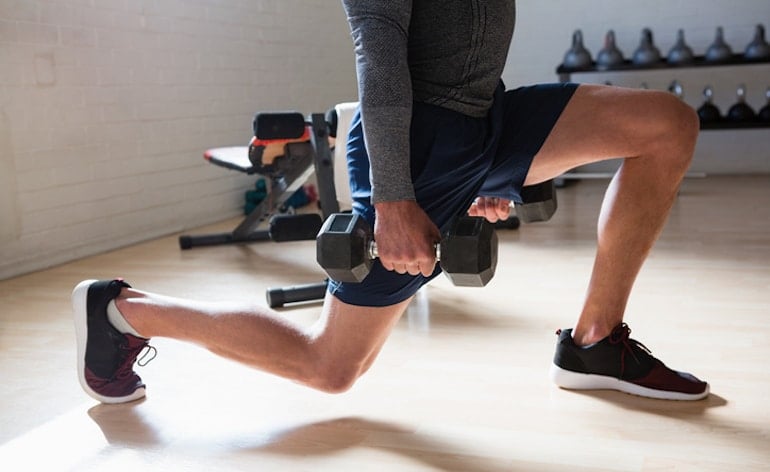
Man doing lunges with weights as part of his butt lifting workout

How to Lift Your Butt

Without a doubt, you need to strengthen and build your gluteal muscles up to lift that butt and get a sculpted shape.

Here are some quick tips to know before starting your booty-lifting workout:

  • To build your glute muscles, use heavy weights to put a greater load on the muscles.
  • Focus primarily on dynamic strength movements, such as squat jumps. Dynamic movements are important as they create greater muscle tension than when doing static types of movements. That’s because both the muscle and joint undergo a full range of motion.
  • Vary your exercises to target the three main butt muscles: gluteus medius, gluteus maximus, and gluteus minimus.
  •  Perform butt exercises with a range of rep counts. Some exercises should use low reps and more resistance to build strength, while others should use high reps to build endurance.

6 Exercises to Lift Your Butt

Perform these glute-targeting exercises to strengthen, tone, and lift your butt. It’s a great workout on its own, or you can add it to your next lower body or total body strength-training day.

For this butt-lifting workout, you’ll need a heavy pair of dumbbells. (I used 12-pound dumbbells below.) Complete 10 to 15 reps for each exercise (and each side of your body) three or four times.
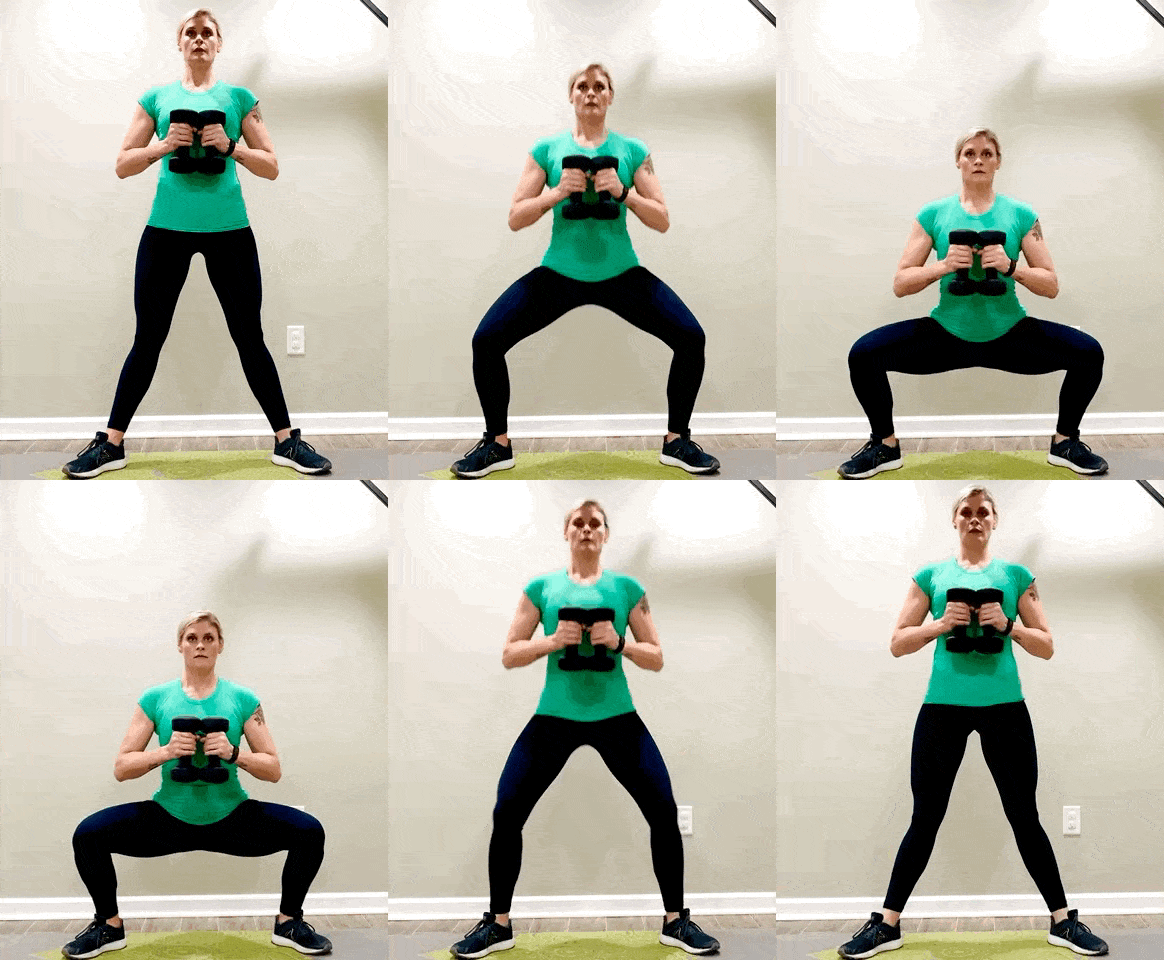
Dumbbell Sumo Squat Demonstration

1. Dumbbell Sumo Squat

  1. Stand with your feet wider than shoulder-width, toes pointed out, and holding dumbbells in front of your chest.
  2. Bend your knees while lowering hips. Your thighs should be parallel with the floor, and keep your weight in the back of your heels.
  3. Hold for two seconds, then rise back up to starting position, squeezing the glutes at the top.
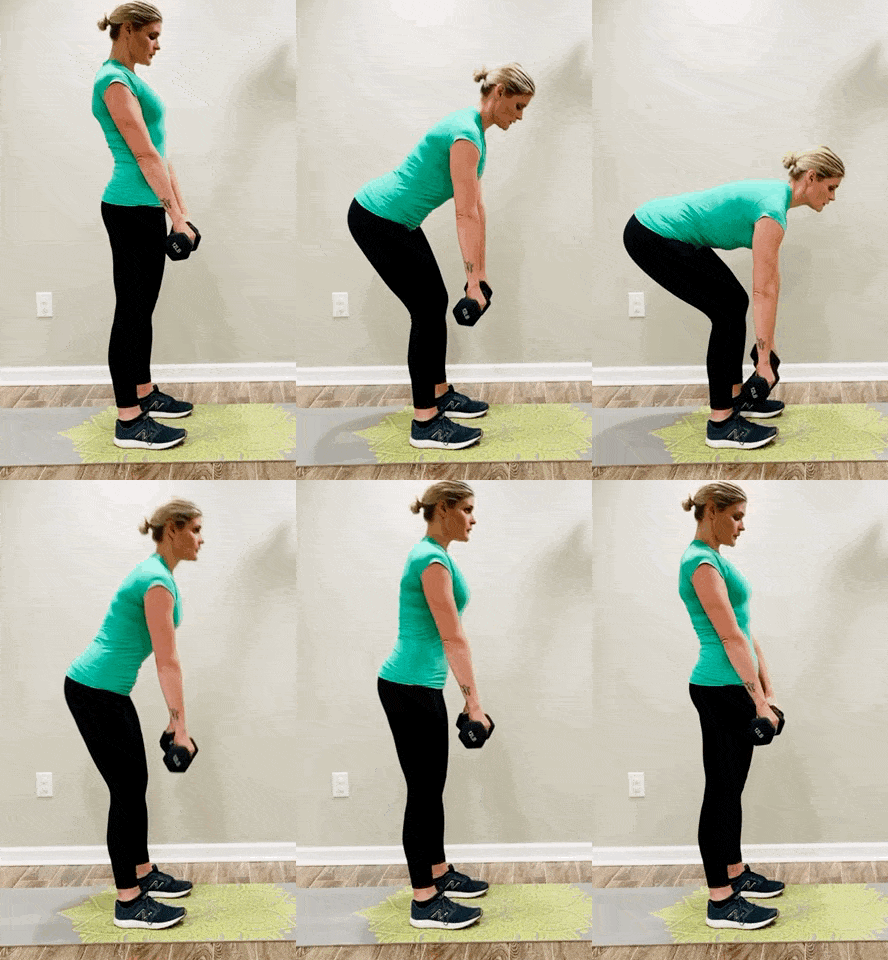
Dumbbell Deadlift Demonstration

2. Dumbbell Deadlift

Stand with your knees slightly bent. Hold a pair of dumbbells in front of your thighs, with palms facing y
  1. Stand with your knees slightly bent. Hold a pair of dumbbells in front of your thighs, with palms facing your body.
  2. Keep your arms straight while slowly hinging at the waist, pressing your hips back to lower dumbbells toward your toes. Go as far as you can without rounding your back and shoulders. 
  3. Squeeze your glutes as you slowly return to standing position.
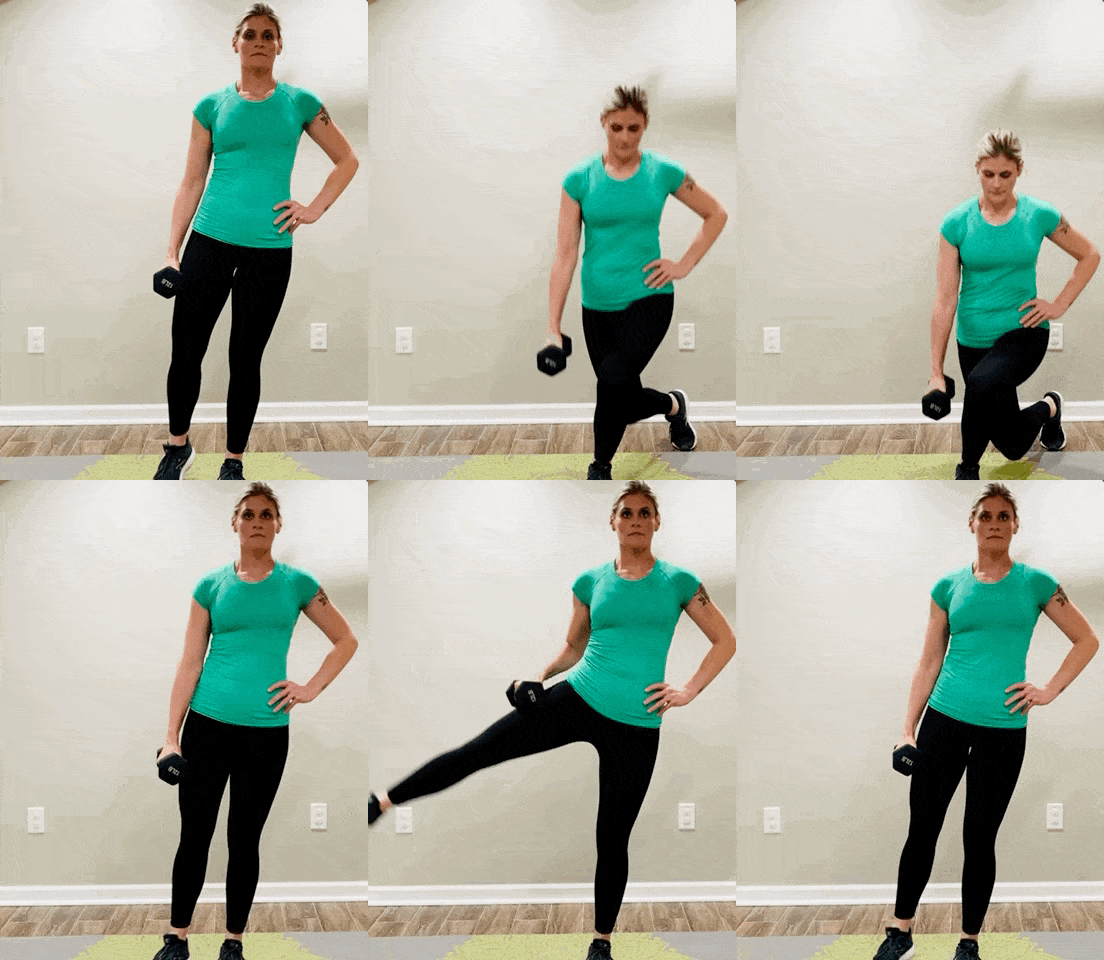
Curtsy Lunge and Dumbbell Leg Lift Gif

3. Curtsy Lunge with Dumbbell Leg Lift

  1. Stand with your feet hip-width apart, and hold one dumbbell at the right side of the body.
  2. Keep your chest forward and shoulders back, then step back with your right foot, crossing behind your front left leg. 
  3. Sit back into a lunge, keeping your weight in the back of the front heel. 
  4. Pause for two seconds, then drive up to the starting position and laterally raise your right leg out to the side with the dumbbell resting against it. Avoid leaning leftward as you lift your leg laterally.
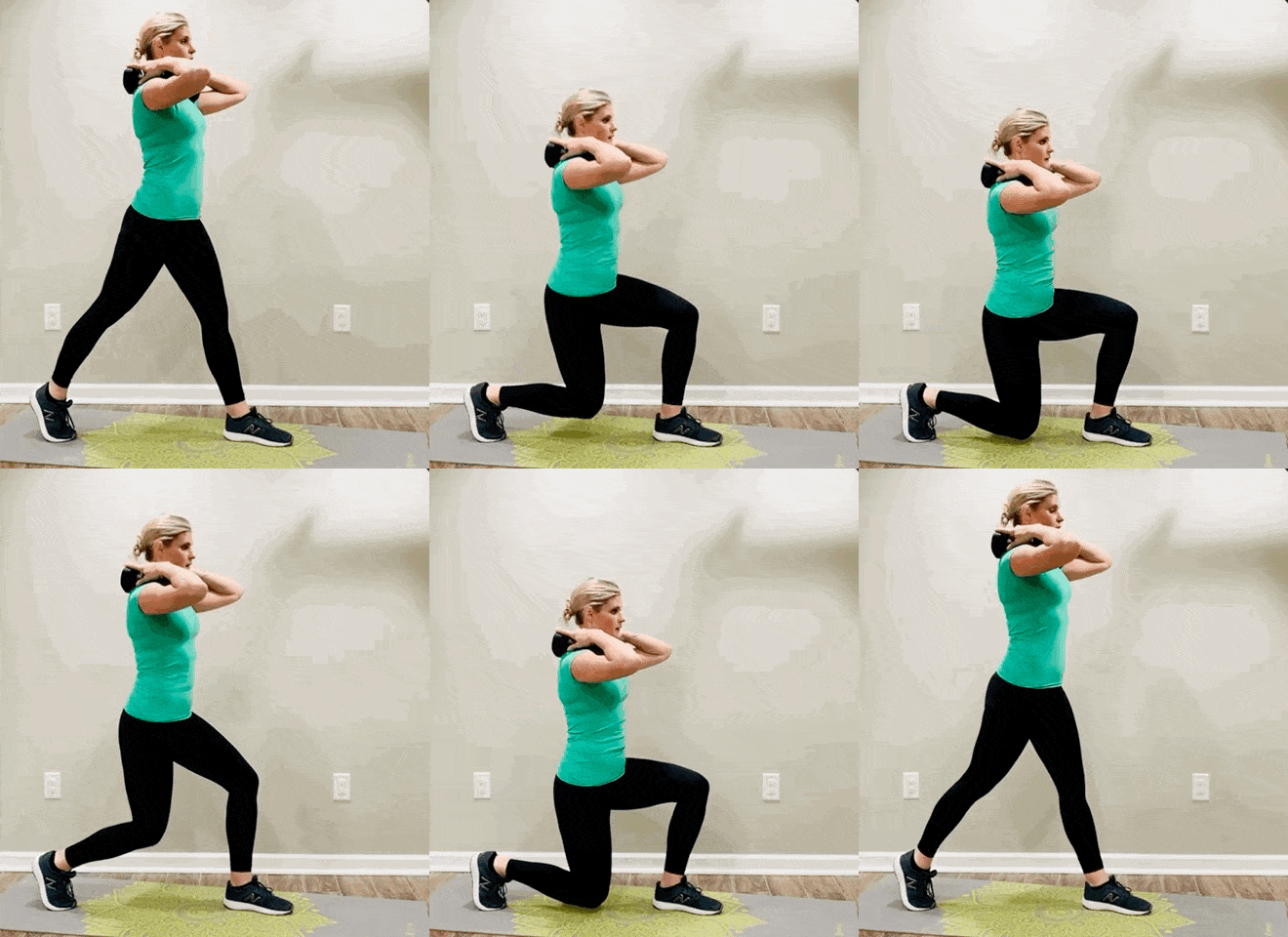
Weighted Static Lunge Demonstration

4. Weighted Static Forward lunge with pulse

  1. Start with your left foot forward and knee slightly bent. 
  2. Extend your right leg back, with your toes down and heel up. 
  3. Hold both dumbbells on your shoulders. Bend your knees, lowering your body to floor until knees are at a 90-degree angle. 
  4. Come up halfway, then go back down for 1 pulse. 
  5. Do two or three pulses total, then rise up to starting position for a full rep. Complete total reps on one side of body, then switch.
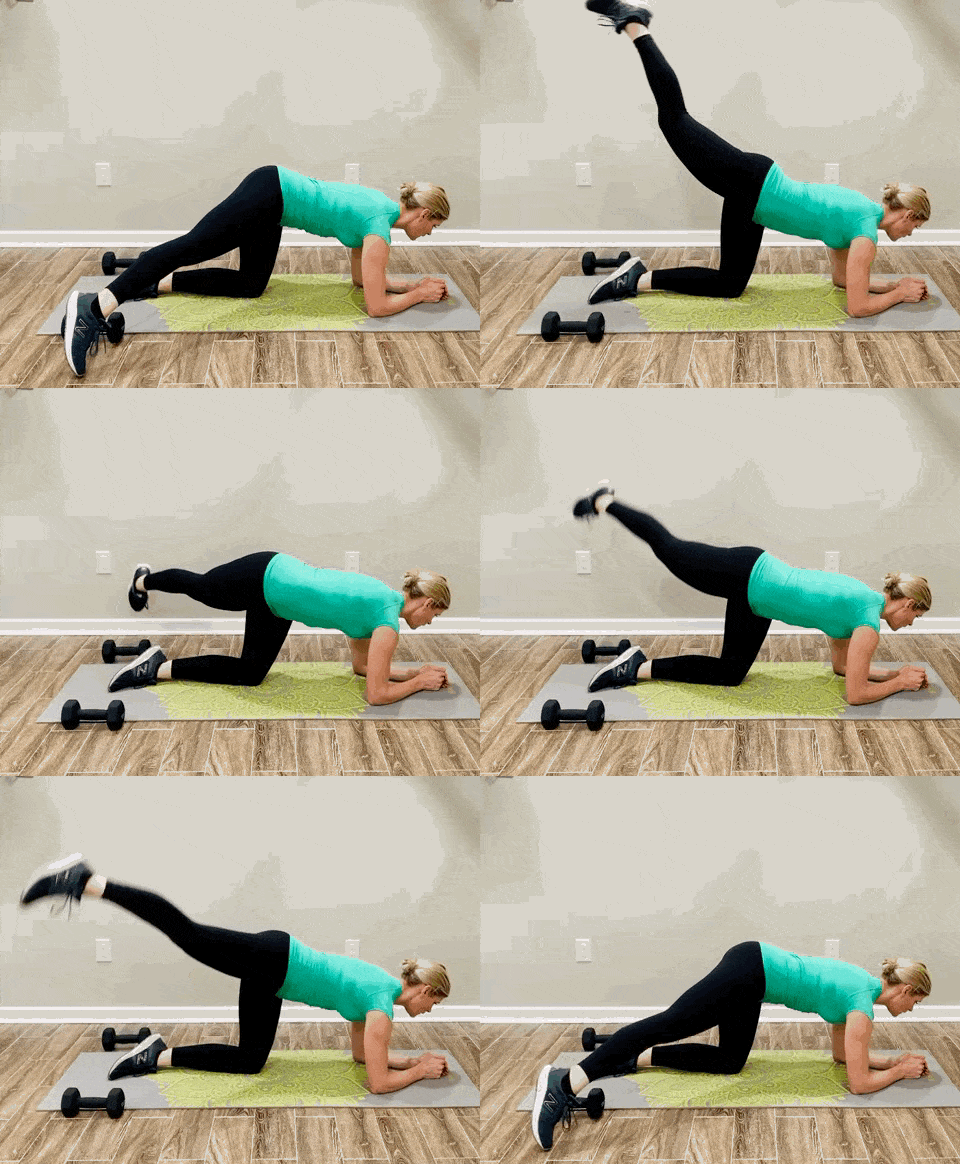
Forearm Glute Rainbow Kick

5. Forearm Glute Rainbow Kicks

  1. Start on all fours. Drop down to your forearms, with knees shoulder-width apart and dumbbells on the floor as visual markers (see above). 
  2. Straighten right leg and position it 45 degrees to the right (outside of the dumbbell). Keep your core engaged with your back straight, neck neutral. 
  3. Lift your right leg and create a rainbow arc (kick) behind you by slowly kicking your right leg over to the left side of your body (outside of other dumbbell) until toe just touches ground. 
  4. From there, bring it back to right side for one complete rep. 
  5. Keep your whole body still except your leg doing while a rainbow kick, and squeeze your glutes through the entire movement. Complete total reps, then switch legs.
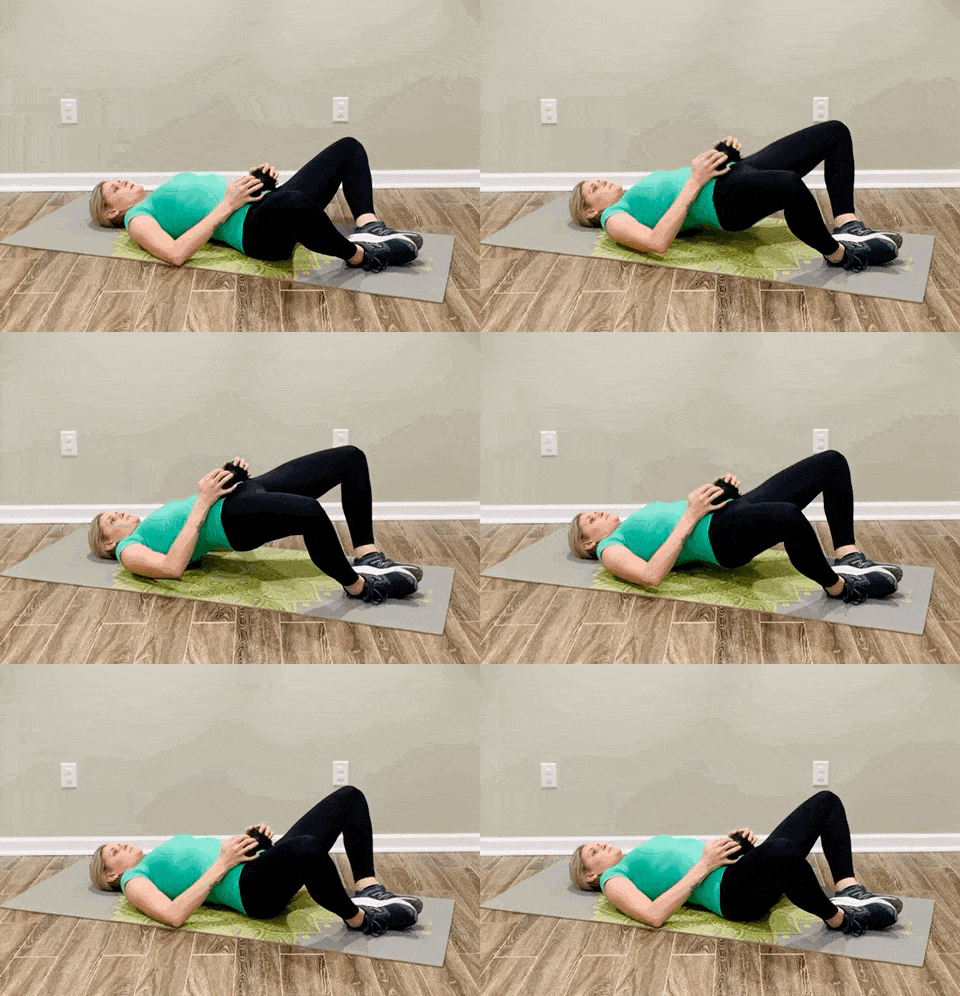
Weighted Frog Pump Demonstration

6. Weighted Frog Pump

  1. Starting in a glute bridge position, place one dumbbell on your lower abdominal area. 
  2. With knees bent, push them outward into a butterfly position. Push your heels together and place two feet from butt. 
  3. Holding the dumbbell, tighten your core and squeeze your glutes as you drive your hips up, creating a straight line from hips to knees. 
  4. Pause for two seconds, then slowly return to starting position. Your knees should remain butterflied out the entire time.

Final Thoughts

Remember: Patience and consistency are key when it comes to strengthening and lifting your butt. Muscle growth takes time.

Also, know that muscle development doesn’t happen through working out alone. On top of performing these exercises to lift your butt, you also need adequate rest, as well as food to fuel your muscles.

Build Your Supplement Routine
Take The HUM Quiz

The post 6 Exercises to Lift Your Butt and Tone Your Glutes appeared first on HUM Nutrition Blog.

]]>
A Total Ab Workout to Seriously Strengthen Your Core https://www.humnutrition.com/blog/total-ab-workout/ Mon, 12 Oct 2020 17:44:42 +0000 https://www.humnutrition.com/blog/?p=21368 Jessica Nelson, RDN, CPT, shares a handy guide to your abdominal muscles, including her personal-trainer-approved total ab workout. Strengthening ab muscles is an important part of any exercise program. Continue reading to discover why core strength is essential for your body, daily movement, and overall health. Then learn about the different types of abdominal muscles, […]

The post A Total Ab Workout to Seriously Strengthen Your Core appeared first on HUM Nutrition Blog.

]]>

Jessica Nelson, RDN, CPT, shares a handy guide to your abdominal muscles, including her personal-trainer-approved total ab workout. Strengthening ab muscles is an important part of any exercise program. Continue reading to discover why core strength is essential for your body, daily movement, and overall health. Then learn about the different types of abdominal muscles, followed by a total ab workout to tone and strengthen your core.

The Importance of Core Strength

Simply put, the importance of core strength can’t be underestimated. A strong core is vital for protecting internal organs and supporting balance, posture, and breathing. Strong, stable abdominal muscles can also help prevent lower back pain. Along with your back muscles, your ab muscles act as the main power generator for all movement, such as when sitting, standing, bending over, picking things up, reaching, carrying, and exercising. Basically, your core muscles are an essential part of functional daily movements. Father with children doing ab exercises

The 4 Types of Abdominal Muscles

There are four main abdominal muscle groups that your total ab workout should target.

1. Rectus Abdominis

The first is the rectus abdominis, aka the upper and lower abs. These muscles are in charge of helping your trunk and spine flex and bend. They also support your posture and stabilize movements. Core exercises that engage these specific ab muscles include:
  • crunches (chest toward pelvis)
  • sit-ups (flexing spine)
  • leg raises (bringing pelvis to chest)

2. Transversus Abdominis

The second group of abdominal muscles is the transversus abdominis, which are the deepest of the four abdominal muscles. These are largely involved in stabilizing core movements, supporting the lower back, and providing protection for internal organs. Core exercises that involve flexing and extending—as in pulling the navel toward the spine—engage the transversus ab muscles.

3-4. External and Internal Obliques

The third and fourth types of abdominal muscles involve the external and internal obliques. The external and internal obliques are on each side of the rectus abdominis or outside abdomen area, running down from the lower ribs to the pelvis and on the inside of the hipbones. We rotate our torso all throughout the day, so strengthening the obliques is essential. Exercises that target your obliques may help prevent injury and pain commonly associated with the lower back and shoulders. When exercising, these muscles help with:
  • left and right rotational or twisting movements
  • sideways bending movements

AN Effective Total Ab Workout

Below are nine effective core-strengthening exercises to perform at home or at the gym. These ab exercises will specifically target the four main abdominal muscles.

Pre-workout Trainer Tips

  • Perform 20 reps for each one or 15 to 20 reps for each side of the body. Repeat three times for an efficient and powerful total ab workout.
  • When instructed to “engage your core” or “tighten abs,” this means to breathe and contract your ab muscles. (Contracting means that you’re bracing for impact. You can think of it like someone is going to punch you in the gut.) Inhale, and then as you exhale, contract your abs. Note: Engaging your core isn’t about sucking in. 

Ab Exercises for the Upper and Lower Muscles

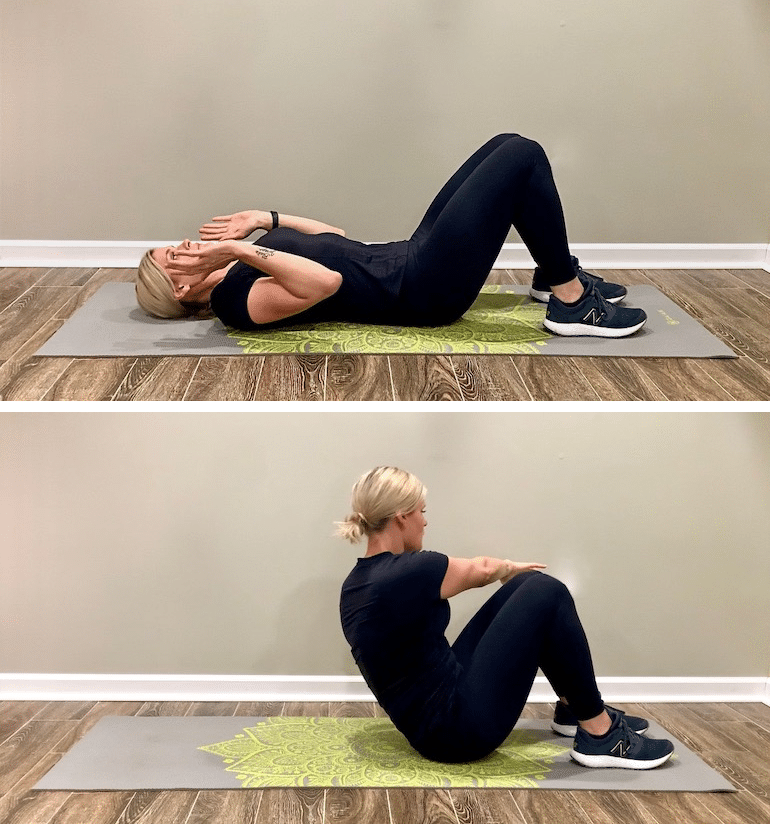
Perform these ab exercises to work your way to a six-pack in no time. Cross Crunch + Reach Ab Workout Demonstration

1. Cross-Crunch + Reach

Start by laying on the floor with knees bent. Keep arms bent and hands toward shoulders. Engage your core and perform a sit-up, but as you come up, rotate your torso to one side as you reach across your body with the opposite arm. Return to starting position and repeat on other side. Continue to alternate sides. Laying Toe-Touch Crunch Ab Exercises

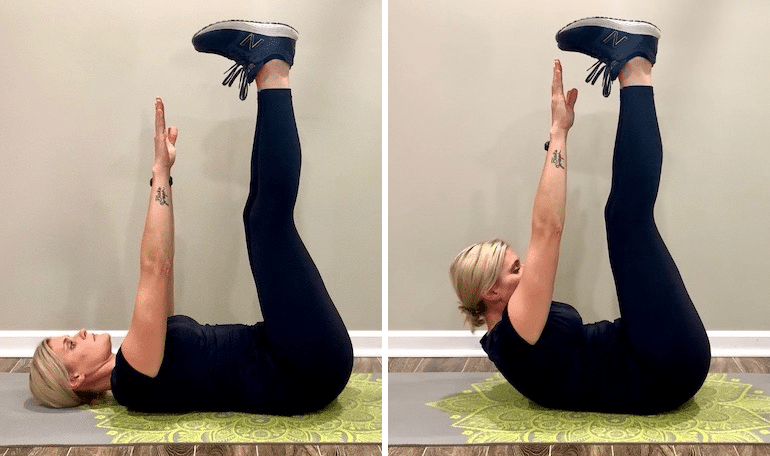
2. Laying Toe-Touch Crunch

Lay on the floor and raise your legs straight in the air with feet together over hips. Extend your arms with your hands over your shoulders and fingers pointed toward ceiling. Tighten abs and keep your neck relaxed, then lift upper body off the floor by reaching towards your toes. Hold for two seconds and then slowly return shoulders to starting position. Keep legs up for one rep. Jessica Nelson, RDN, CPT, doing leg lifts

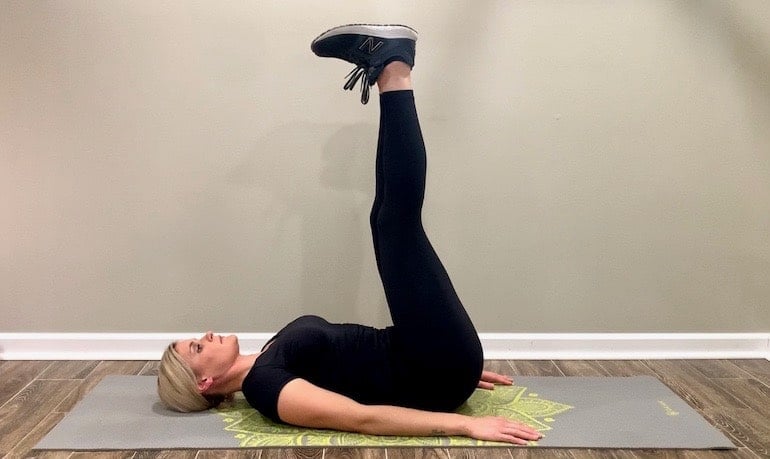
3. Leg Lifts

Lay flat with your back on the floor, with your arms and hands extended and down at your sides, palms down. Slowly raise your legs until they’re above your hips, keeping your core engaged. Pause for two seconds, then return legs to starting position for one rep.

Ab Exercises for The Deep Core Muscles

These abdominal exercises will help with stability and support your posture. Genie sit ab exercises

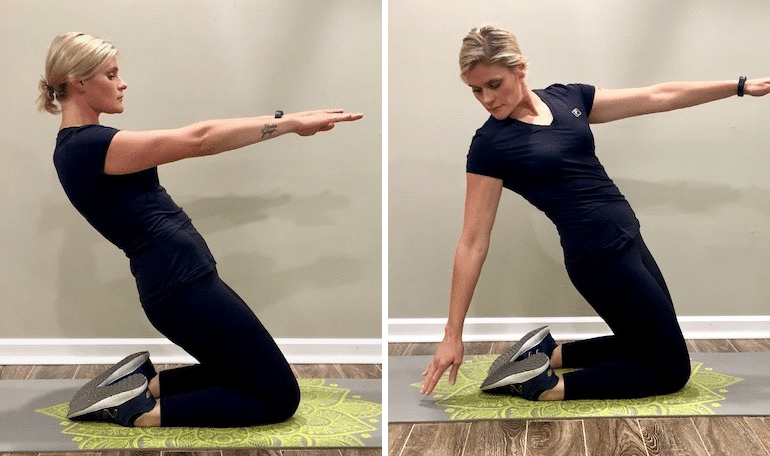
4. Genie Sit

Begin in a kneeling position with your arms stretched out in front of you. Slowly and with abs engaged, lean backwards at the knees as far as you can. Keep your body straight and arms leveled out in front. Return to starting position for one rep. Tip: You can reach back (as pictured) for more of a challenge and to simultaneously engage your obliques. Dead Bug Switch Ab Workout

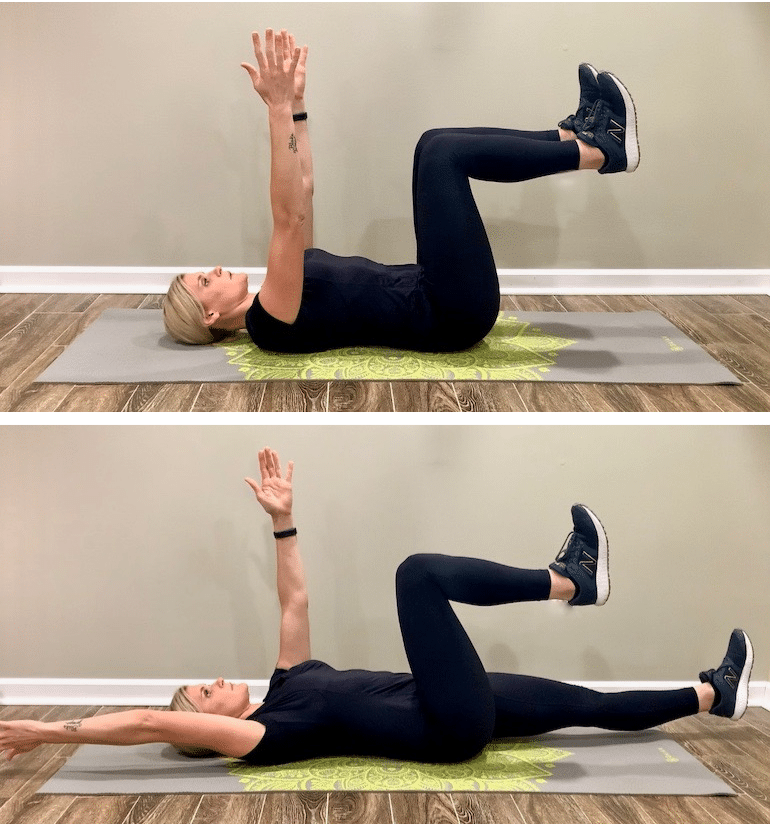
5. Dead Bug Switch

Laying on your back, lift arms over your shoulders and lift your legs so your knees are over your hips. Engage your core and press your lower back into the floor as you slowly lower your right arm and left leg until they’re just above the floor. Pause for two seconds then return to starting position for one rep. Repeat on the opposite side and continue to alternate sides. Certified personal trainer doing glute bridges to strengthen core

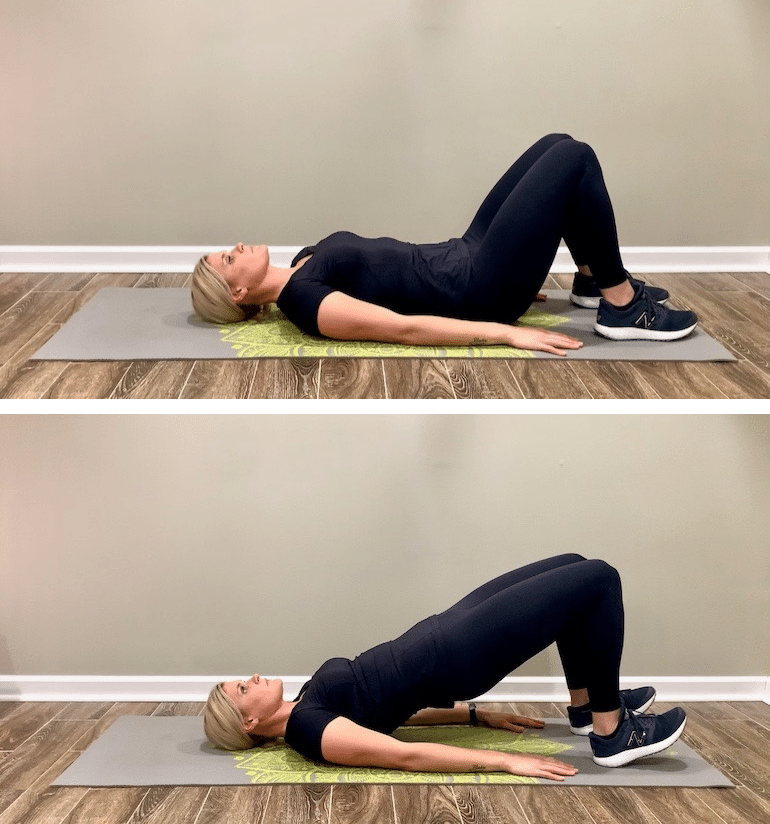
6. Glute Bridges

Lay with your back on the floor with your arms down at your sides and palms down. Bend your knees with your heels on ground and toes up. Tighten your core and squeeze your glutes as you lift your hips off the ground until your knees, hips, and shoulders form a straight line. Don’t hyperextend back. Hold for two seconds and then slowly return to starting position.

Ab exercises for Your Obliques

These final core exercises can help prevent injury and improve mobility by engaging your obliques. Plank toe touch workout, one of the best ab exercises

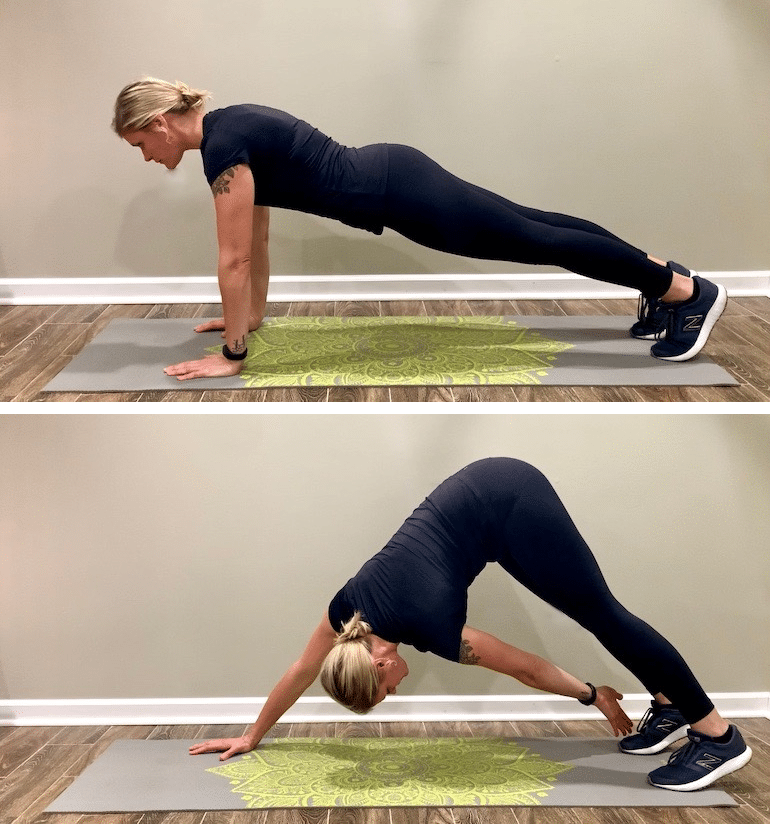
7. Plank Toe Touches

Start in a plank position with your back straight and legs a little wider than your shoulders. Engage your core while driving hips with back elongated to bring right hand to touch left foot. Keep your heels off the ground. Return to plank position for one rep. Repeat on the opposite side and continue to alternate sides. Modified Side Plank Crunch - Exercises for Obliques

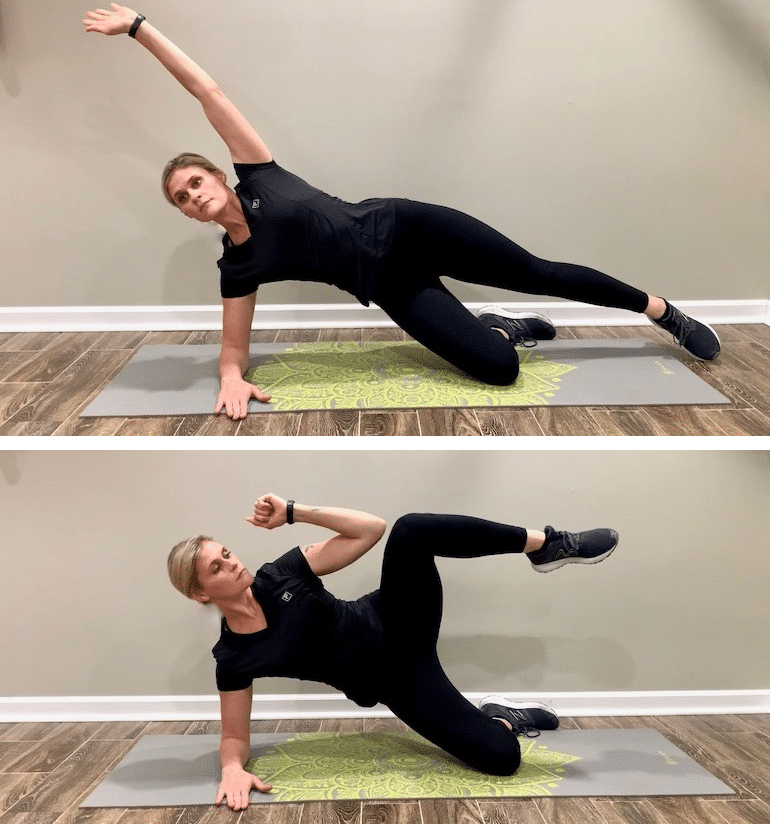
8. Modified Side Plank Crunch

Lay on your right side with your right forearm down under your right shoulder and right knee bent on the floor. Keep your left leg extended out and your left arm raised overhead. Without letting your hips drop, tighten abs and pull your left elbow and left knee together into a crunch position. Hold for two seconds then return to starting position. Repeat total reps on this side, then switch sides. One Knee Side Bend to Thread the Needle - Ab Exercises

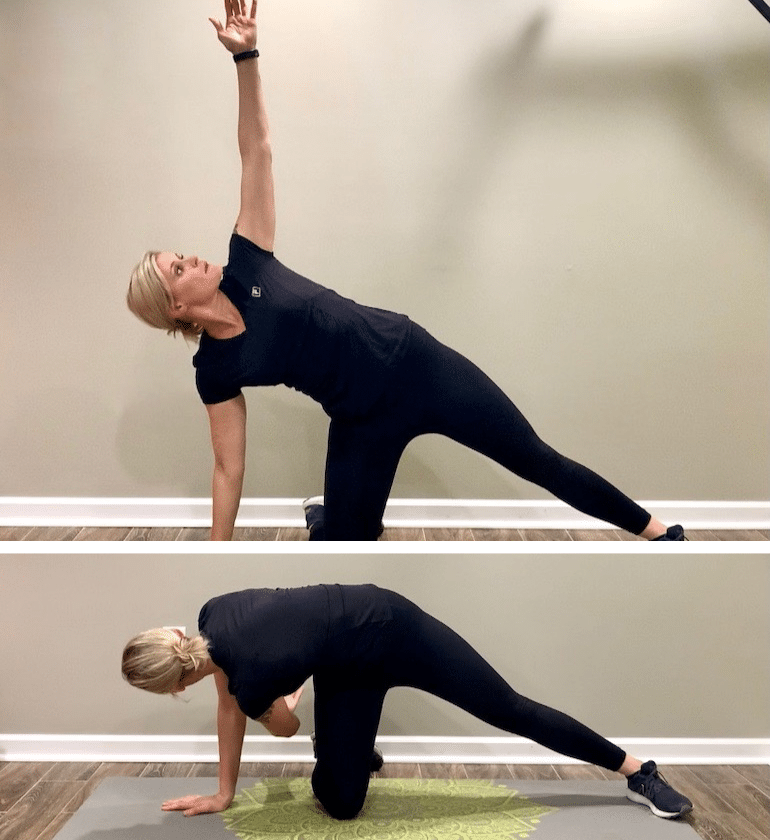
9. One Knee Side Bend to Thread the Needle

Start with your right knee down and left leg stretched out to the side, with arms raised overhead. Engage abs and bend at the right side, placing your right hand on the floor with your left arm now raised over your left shoulder. Pause and exhale, then engage abs again as you roll your left hand and arm toward your body to thread through the open space underneath the right side of your body. Your shoulders and hips should rotate with your left arm, as well. Hold this position for two seconds, then slowly unthread or roll your way back to start. Repeat total reps on this side, then switch sides.

Final Thoughts

Of course, everyone would love to have a defined, toned tummy. But when it comes to exercising your core, make the priority about improving the functional movement and strength of those muscles. After all, your core is what allows you to move through daily life, as well as other more physical activities. Remember that developing a strong and stable core is dependent on good form and knowing how to engage your abdominal muscles during exercise. Lastly, it’s never a bad idea to seek the assistance of a certified personal trainer to help prevent injury and to take your abdominal training to the next level.

The post A Total Ab Workout to Seriously Strengthen Your Core appeared first on HUM Nutrition Blog.

]]>
What Is Functional Fitness? A Better Way to Move https://www.humnutrition.com/blog/what-is-functional-fitness/ Fri, 31 Jul 2020 16:13:27 +0000 https://www.humnutrition.com/blog/?p=20279 Jessica Nelson, RDN, CPT, teaches us the ins and outs of functional fitness. Learn how a functional fitness routine can help improve your quality of life and upgrade movements for even the simplest tasks. Plus: a simple (yet challenging!) full-body functional training workout you can do at home or at the gym. What is Functional […]

The post What Is Functional Fitness? A Better Way to Move appeared first on HUM Nutrition Blog.

]]>
Jessica Nelson, RDN, CPT, teaches us the ins and outs of functional fitness. Learn how a functional fitness routine can help improve your quality of life and upgrade movements for even the simplest tasks. Plus: a simple (yet challenging!) full-body functional training workout you can do at home or at the gym.

What is Functional Fitness?

Functional fitness is a type of training involving exercises that help prepare the body to perform everyday tasks with ease. Such tasks include sitting, standing, walking, lifting, pushing, pulling, rotating, and climbing. A functional exercise program combines multidirectional movements utilizing multiple muscle groups. It’s conveniently tailored to both your strengths and weaknesses. Man doing squats on a blue yoga mat in his living room

Benefits of Functional Fitness

Promotes Strength + Mobility

Functional exercise is vital in strength training to prevent injury and promote longevity. Specifically, a review of several functional fitness studies showed beneficial outcomes on muscle strength, balance, and mobility.

Counteracts Age-Related Loss of Muscle Mass

Once you reach your 30s, muscle mass decreases by an average of three to five percent each decade. Unfortunately, the loss of muscle mass results in reduced strength and function. This decrease affects posture, stability, coordination, and endurance. With these realities in mind, it’s clear that functional exercises are essential to encourage active, healthy daily living.

Requires Minimal Equipment

Lastly, a major benefit of functional fitness is that many of the exercises require just your body weight. Meanwhile, other moves call for minimal equipment such as resistance bands or dumbbells.

The 7 Functional Movements

1. SQUATS

Squats involve multiple muscles (quads, hip flexors, gluteus, and hamstrings) in your legs. They also require core strength. They’re essential for many aspects of everyday life, like standing up from a seated position. Additionally, we squat when we tie our shoes and lift heavy objects. Types of squats include:
  • bodyweight squat
  • jump squat
  • yoga squat

Man and woman doing functional fitness lunges with weights next to their pool

2. Lunges

Lunges can be multidirectional (forward, reverse, diagonal, etc.). They’re great for improving your range of motion and balance, while also strengthening the core, hips, and gluteus. This type of functional movement is a part of walking, running, and climbing stairs. Examples of lunges include:
  • walking lunges
  • lateral lunges
  • curtsy lunges

3. Pushes

Push type exercises are great for your upper body (shoulders), chest, and core strength. The functional push movement breaks into two groups: horizontal pushes and vertical pushes. Push type exercises come into daily life when you push up from off the ground or when you put something away overhead. Examples of push exercises include:
  • standard pushups
  • bench press
  • sled push
  • overhead shoulder press
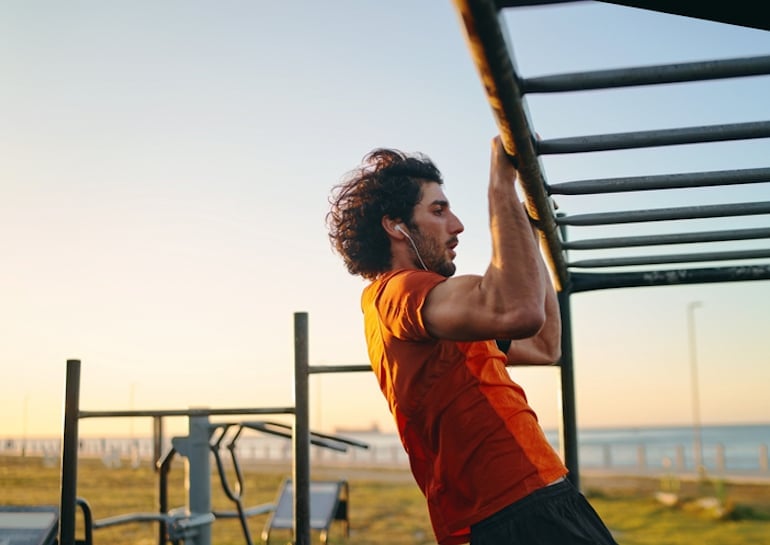
Man doing functional training pull ups at an outdoor gym

4. Pulls

Similar to the push movement, pull movements are also separated into two movement patterns: horizontal pulling and vertical pulling. These functional fitness moves are ideal for strengthening the back, biceps, and triceps. Thankfully, they can help improve posture and prevent back injuries. Pulling movements are also great for improving grip strength, which is essential for activities like walking your dog and carrying heavy bags. They also come in handy for opening jars. Pull exercises include:
  • pull-ups
  • lawn mower band pulls
  • bent over row
  • lat pull-downs

5. Hinges

Hip hinge movements are utilized every day. When done properly, they help with range of motion, balance, and strengthening the core. The back-body muscles such as hamstrings, gluteus, and the muscles along the spine are also involved. We use hinge movements when we bend forward to pick things up. We also perform them in almost every sport. Hinge movement exercise examples include:
  • deadlifts
  • kettlebell swings
  • hip thrusts
  • weighted glute bridges

6. Rotations + Twists

The trunk muscles (core, obliques, lower back) help with balance and stability, and when you transfer power from one half of the body to the other. We make rotational movements all day, every day. For instance, they include any time you reach across your body, like turning around to grab something. We also do them when sweeping, throwing, or running. Functional exercises of this sort include:
  • Russian twists
  • wood chops
  • windmill stretch
Fit woman in braided pigtails doing the farmers walk exercise of functional training in a gym with heavy dumbbels

7. Gaits + Walks

To move the body forward, your gait or walk requires dynamic stability, balance, hip mobility, core strength, and posture. The walking movement combines multiple functional movements such as rotations, lunges, pushes (starting), and pulls (stopping). Sample exercises in this category include:
  • farmers walk
  • bear crawls
  • overhead carries

A Functional Fitness Workout

Here’s sample training routine of the best functional exercises. They combine all seven functional movements for a total body workout. Complete two to four rounds of this functional workout, performing each individual exercise with 10 to 15 reps using moderate dumbbell weights.
  1. Squat with overhead dumbbell press
  2. Alternating forward lunge with crossbody punches
  3. Inchworm to pushup
  4. Single-leg dumbbell row (10 reps for each leg)
  5. Seated dumbbell Russian twist
  6. Bear crawl

The Bottom Line

In sum, your strength training program should include each of the seven functional exercises. With functional fitness, the primary goal is to build upon the fundamentals of human movement. In due time, you’ll be equipped to improve your quality of life for years to come.

The post What Is Functional Fitness? A Better Way to Move appeared first on HUM Nutrition Blog.

]]>
How to Do an Elimination Diet, as Guided by an RD https://www.humnutrition.com/blog/how-to-do-an-elimination-diet/ Tue, 25 Feb 2020 23:13:02 +0000 https://www.humnutrition.com/blog/?p=18052 Jessica Nelson, RDN, explains how to do an elimination diet to make food-related symptoms and conditions a memory of the past. What Is an Elimination Diet? Simply put, elimination diets are the gold standard for identifying non-anaphylactic food allergies, intolerances, and sensitivities. By removing certain foods from your diet for a set length of time, […]

The post How to Do an Elimination Diet, as Guided by an RD appeared first on HUM Nutrition Blog.

]]>
Jessica Nelson, RDN, explains how to do an elimination diet to make food-related symptoms and conditions a memory of the past.

What Is an Elimination Diet?

Simply put, elimination diets are the gold standard for identifying non-anaphylactic food allergies, intolerances, and sensitivities. By removing certain foods from your diet for a set length of time, you may be able to reduce undesired symptoms. Afterwards, you transition into the reintroduction phase. While you begin to eat the previously eliminated foods, monitor and record any symptoms that arise. Doing so allows you to identify the specific problem food or ingredients causing the allergic or sensitivity response.

What to Know Before Starting an Elimination Diet

Types of Food Allergies and Sensitivities

To start, getting a food allergy and sensitivity test can help pinpoint which foods specifically trigger unwanted responses. Do you experience symptoms such as swelling, difficulty breathing, rashes, itchiness, and anaphylactic shock right after eating? Then you may have food allergies spurred by IgE antibodies, which are produced from the release of histamine after exposure to triggering foods. On the other hand, if you experience symptoms within several hours or up to three days after eating certain foods, you may have IgG-mediated food sensitivities. Such conditions include headaches, migraines, eczema, hives, swelling, irritable bowel syndrome (IBS), and Crohn’s disease. These food sensitivities manifest due to the release of IgG antibodies triggered by an inflammatory response in the body. Common food allergens of eggs, milk, and gluten bread that you may want to avoid on an elimination diet

Common Food Allergens

If you can’t identify triggering foods via food testing, you should plan to do an elimination diet. You can start planning by logging a food diary, or by not eating the most common food allergens. If you take this approach, I recommend adding the top eight allergenic foods to your elimination diet plan:
  • milk
  • eggs
  • wheat
  • peanuts
  • soy
  • tree nuts
  • fish
  • shellfish
Since these are the most common food allergies, food manufacturers must identify their presence on nutrition labels by one of two ways. First, you may find them listed in parentheses following the name of the ingredient, such as “flour (wheat).” Second, they may be immediately after or next to the list of ingredients in a “contains” statement, such as “Contains Wheat.” As for the foods you typically can eat on an elimination diet? Look to fruits, oils, lean meats, legumes, seeds, vegetables, and wheat-free and gluten-free grains.

How to Do an Elimination Diet

1. Write a food diary

Before you begin an elimination diet, it’s essential to complete a food diary. Your food diary will help identify triggering foods based their correlation to the symptoms you experience. In your food diary, log all foods, beverages, and supplements that you take. Include specifics on amounts, times, places, and any symptoms experienced.

2. Eliminate foods for a Predetermined timeline

Once you identify the suspected foods, follow your elimination diet plan for four to six weeks. While you can also cut out the most common food allergens, an initial identification of specific foods is usually preferable so your regimen is nutritionally adequate and not too restrictive. Also, many people find this tailored strategy more manageable to complete. It’s important to know that you may not experience complete symptom improvement during the elimination phase. Still, you should count even moderate improvement as a success; it’ll also permit the reintroduction phase to follow. Some people may even experience very little improvement during the elimination phase, which can feel discouraging. However, the reintroduction of specific foods may initiate adverse reactions that you wouldn’t have been able to identify had you eaten them continuously.

3. Reintroduce the eliminated foods

After four to six weeks, you can begin to reintroduce eliminated foods into your diet. During the reintroduction phase, you start to eat the previously eliminated foods, either one at a time or even in groups (like with the low-FODMAP diet) in normal-sized portions. If the foods don’t produce symptoms within one to three days, then you can begin to integrate the next eliminated food to your diet. Sometimes if an eliminated food triggers a reaction, you may be able to cut down the portion and find that you can tolerate the reduced amount. However, this method is more common with food sensitivities and gut-related symptoms, rather than allergies. I highly recommend continuing to use a food diary throughout and following the reintroduction phase. It’ll help show if a certain food induces a reaction, and thus you know you should continue to avoid it. Woman in kitchen writing a food diary, planning to start her elimination diet

Consult a Dietitian

Truth be told, the whole process can seem overwhelming. So if possible, enlist the help of a registered dietitian. An RD will be able to guide you on how to replace the eliminated foods with alternative, nutritionally equivalent foods. If replacement foods aren’t viable, they’ll likely recommend supplements to avoid potential nutrient deficiencies. Such supplements may include a multivitamin, vitamin D3, and/or calcium. RDs can also help you create an easy-to-follow elimination diet meal plan to minimize the risk of undesired weight fluctuations, low energy, and early drop out.

Final Thoughts

Making adjustments to your lifestyle and food choices following an elimination diet isn’t always ideal. But noticing improvements in your health and how you feel is very much worth it, and definitely outweighs any hardships of the elimination diet process. On a final note, elimination diets may not be advisable for someone who has anaphylactic reactions to food. In this case, it’s best that you consult a medical doctor and RD for supervision and to determine the best course of action. For more information and the most up-to-date news on research regarding food-allergy testing, visit the Food Allergy Research & Education (FARE) website.

The post How to Do an Elimination Diet, as Guided by an RD appeared first on HUM Nutrition Blog.

]]>
The Best Hangover Foods to Help You Bounce Back https://www.humnutrition.com/blog/what-to-eat-when-youre-hungover/ Fri, 20 Dec 2019 19:19:54 +0000 https://www.humnutrition.com/blog/?p=17149 Nutritionist Jessica Nelson, RDN, explains what happens to your body when you’ve had too much to drink—and reveals the best hangover foods to help ease symptoms.  So you went out and had a little too much fun—and you’re feeling it the next morning. A hangover after a night of drinking is a pain, but here’s […]

The post The Best Hangover Foods to Help You Bounce Back appeared first on HUM Nutrition Blog.

]]>
Nutritionist Jessica Nelson, RDN, explains what happens to your body when you’ve had too much to drink—and reveals the best hangover foods to help ease symptoms. 

So you went out and had a little too much fun—and you’re feeling it the next morning. A hangover after a night of drinking is a pain, but here’s the good news: There are ways to speed up your recovery. Choosing the right food the morning after a night out can replenish all of the nutrients your body lost during all the fun. But what exactly are they? (Hint: There’s a reason you crave diner eggs…) We rounded up all of the best hangover foods to help you get your groove back. 

The goal is to aim for foods that will sit well in your stomach and provide key nutrients to aid in minimizing common hangover symptoms like headaches, sore muscles, and low energy. Ready to find out what they are? Read on to learn what the best hangover foods are, according to a nutritionist.

Is Greasy Food Good For a Hangover?

is greasy food good for hangovers

We know—greasy fast food sounds like the best food to cure your hangover. But it may actually do more harm than good. While greasy foods typically also contain sodium (which can help replenish the electrolytes you lost), they can also worsen symptoms like nausea, stomach aches, and poor energy levels. If you’re looking to heal your hangover ASAP, skip the takeout meal and get your electrolytes from more nutritious options, like citrus fruits. That said, other foods like eggs and grilled cheese, which can traditionally be greasy if you get them at a restaurant, are actually not a bad idea if you prep them at home. See those and more ideas, below.

What to Eat When You’re Hungover

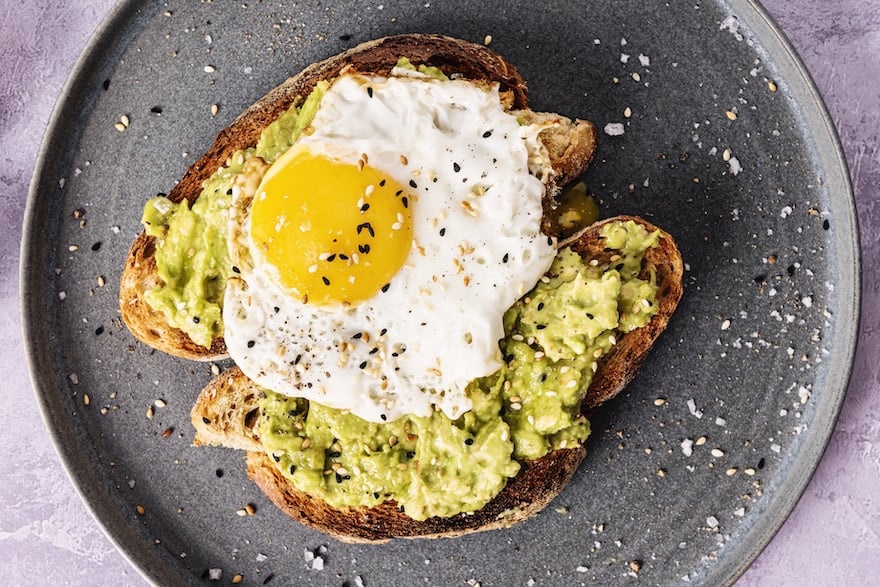
what to eat when hungover avocado toast

Drinking alcohol zaps your system of its hydration and nutrient levels, which causes symptoms like nausea and headaches. Here are the best hangover foods to eat the morning after:

Nutrient-Rich Foods

Alcohol intake mainly depletes B vitamins, so replenishing those is necessary. Additionally, consuming nutrient-rich foods that contain magnesium, vitamin A, vitamin C, vitamin E, and potassium can replenish your body’s cells—helping you to recover faster.

Foods containing these essential hangover recovery nutrients include:

  • Fruits (banana, citrus fruits, melon, berries, and apple)
  • Vegetables (spinach, kale, sweet potatoes, carrots, bell peppers, and tomatoes)
  • Dairy (cows milk, fortified plant-based milk, yogurt, and cheese)
  • Whole grains (whole grain bread, granola, and oats)
  • Protein (eggs, beans, meat, nuts, eggs, and dairy)
  • Fats (avocado, sunflower seeds, olives, coconut, cashew, peanuts, and almonds)

Hydrating Foods

Rehydrating is also a must. Ideally, you’ll want to do so through water or other electrolyte-packed beverages such as coconut water or sports drinks. However, choosing hydrating foods can also be helpful. Eating water-rich foods may not seem critical, but in reality, 20 percent of our daily water needs come from food. Some foods that contain a high percentage of water include:

  • Celery 
  • Strawberries 
  • Grapefruit 
  • Watermelon 
  • Lettuce
  • Carrots

Combining these hangover foods together for breakfast, brunch, or lunch doesn’t have to be difficult. To create the perfect hangover meal, include one or two foods from the following food groups: proteins, fats, grains, and produce.

Getting in the essentials like grains, protein, and fats is a sure-fire way to soak up some of the extra alcohol hanging around in your stomach. Proteins and fats especially will help to slow the release of that alcohol into your bloodstream.

The Best Hangover Foods, According to an RD

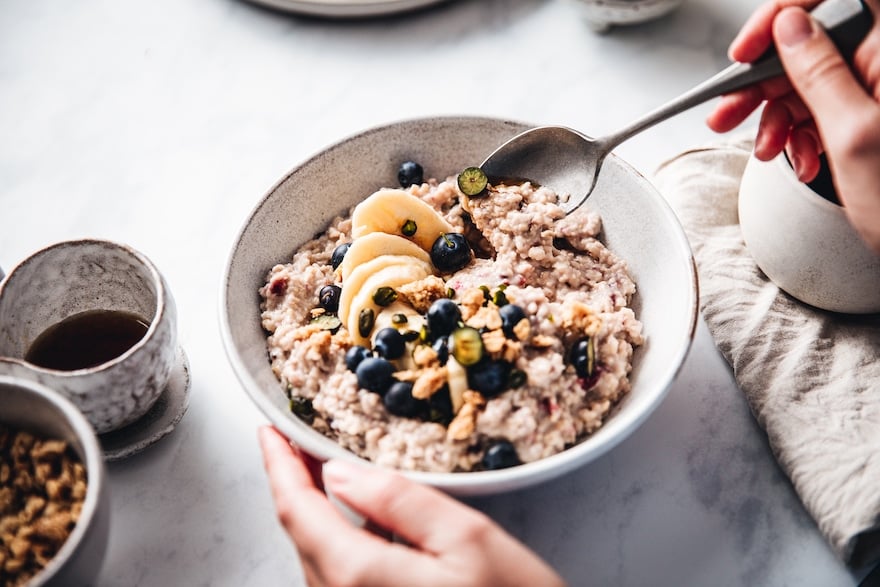
what to eat when hungover oatmeal

Whether you’re looking for hangover food to make at home or meals to order in, here are the best options.

Breakfasts for Hangovers

  • Scrambled eggs with cheese, avocado on whole-grain toast, and a side of fresh fruit or a small glass of fortified orange juice
  • Fortified cereal mixed with nutty granola, a milk of your choice, and blueberries
  • Fruit and kale smoothie made with a milk of your choice. Pair it with a whole grain bar that has nuts and seeds
  • Whole grain toast with peanut or cashew butter and Greek yogurt with fresh fruit
  • Oatmeal made with milk with banana, nuts, and coconut chips mixed in

Lunches for Hangovers

  • Chili (meat and/or bean-based) with toppings of avocado and cheese, with a side of whole-grain tortilla chips
  • Grilled cheese on whole-grain bread with tomato soup and apple slices
  • Turkey or black bean burger topped with tomato, greens, and avocado. Skip the grease and opt for a baked potato or baked potato wedges instead of fries
  • Chicken taco seasoned mix on corn tortillas with cabbage slaw, pico de gallo, and sliced avocado. Eat with a side of Mexican rice and fresh pineapple
  • Chicken salad sandwich on whole-grain bread with lettuce and a side of chips and grapes
  • Peanut butter and jelly sandwich with a yogurt and fruit parfait

Supplements for Hangovers

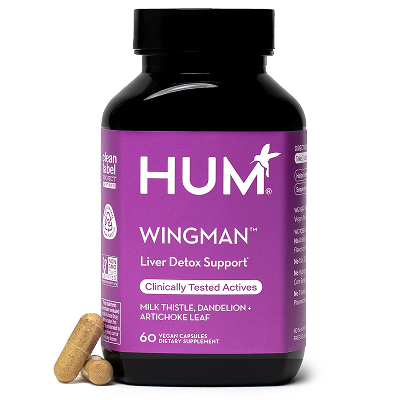
Eating nutrient-dense foods and electrolyte-packed fluid is a great way to support your body’s natural detox systems. Even better, try pairing those healthy steps with HUM’s liver support supplement, Wing Man.

Wing Man is formulated to support your liver by providing antioxidants from milk thistle, artichoke, and dandelion root. These herbs have been shown to boost the liver’s natural detoxification mechanisms by stimulating the production of bile to promote digestion and vitamin absorption. This helps flush out toxins and supports the regeneration of liver cells.

The Best Foods to Prevent Hangovers

While the foods above will definitely help to replenish your body of essential nutrients, it’s just one part of a bigger hangover cure. Remember that giving your body adequate rest, nourishment and fluids is the best way to recover quickly post alcohol intake. And if you’re looking for ways to prevent another hangover from consuming your morning, eat strategically ahead of time. Prioritize fatty, high-fiber foods (such as guacamole, oatmeal, sweet potato fries, and popcorn) before you start drinking. High-fat foods can help slow the absorption of alcohol, while foods that are high in fiber can help your body digest alcohol and prevent it from getting into the bloodstream.

The post The Best Hangover Foods to Help You Bounce Back appeared first on HUM Nutrition Blog.

]]>