The post Your Vulva’s Not Being Dramatic—It Might Just Have Dermatitis (Yes, It’s a Thing) appeared first on HUM Nutrition Blog.
]]>So, What is Vulvar Dermatitis, Exactly?

Simply put, vulvar dermatitis is inflammation of the skin on your vulva (the outer part of the female genitalia). Unlike infections or STIs, it isn’t contagious. Instead, it’s often triggered by things that irritate or inflame your skin. Think: soaps, fragrances, and even tight leggings. Sometimes, it’s even linked to skin conditions like eczema or psoriasis. The vulva has delicate, sensitive skin—and when it’s unhappy, it’s not shy about letting you know.
Common Causes of Vulvar Dermatitis
While it’s a condition you might not hear about every day, vulvar dermatitis is relatively common. MD/PhD, dermatologist and owner of Dermatology Circle clinic, Dr. Viktoryia Kazlouskaya, explains that there are “two main types of dermatitis: irritant and allergic contact dermatitis. Irritant dermatitis is the most common and happens because of contact with irritating external factors.” This can include harsh soaps, scented wipes, deodorants, and laundry products. “Allergic contact dermatitis is less common and develops as a delayed allergic reaction to certain ingredients”, Kazlouskaya says. These ingredients can come from fragrances, latex, and dyes.
Other potential causes of vulvar dermatitis:
- Underlying skin conditions: Eczema (due to genetically weaker skin), psoriasis, lichen planus, or lichen sclerosus (most common in postmenopausal women),
- Hormonal shifts: Menopause or postpartum changes can cause dryness, itching, and thinning of the skin
- Excess moisture: Sweaty workouts, wearing wet swimsuits too long, or not changing underwear after exercise
Symptoms to Watch Out For
Vulvar dermatitis can appear in a few different ways, depending on the cause and severity. Some of the symptoms to pay attention to include:
- Redness, burning, itching, or stinging
- Flaky, raw, or thickened patches of skin
- Dry, cracked skin
- Discomfort during sex, peeing, or wearing certain fabrics
Sometimes it can be tricky differentiating between vulvar dermatitis and a yeast infection due to their similar symptoms. Kazlouskaya notes that a yeast infection will also cause some discharge and similar symptoms of burning, itching, and redness. However, if the symptoms last more than a few days or are recurring, it’s time to make an appointment with a healthcare provider.
Diagnosing and Treating Your Condition
Kazlouskaya always recommends starting with OTC remedies first. Some cases of vulvar dermatitis are mild and can resolve on their own with a few simple tricks:
- Go fragrance-free: Skip anything scented—soaps, wipes, laundry products
- Switch to cotton: Choose breathable underwear and avoid tight synthetic fabrics (make sure to avoid thongs, synthetic fabrics, or anything too tight!)
- Use barrier creams or ointments: anti-itch creams or petroleum jelly can help to protect the skin
- Avoid scratching: It can be tempting, but it will only further irritate the skin and increase the risk of infection
If home remedies aren’t doing the trick, the next step is to see a doctor. “Many vulvar conditions look alike to a non-professional eye, and there are other causes apart from dermatitis, psoriasis, lichen sclerosus, infections, etc,” Kazlouskaya says. “That’s why getting the right diagnosis is very important. I would not delay a visit to a doctor if the condition does not improve in a few days with OTC remedies. While OB/GYNs primarily deal with vaginal health and discharge, board-certified dermatologists specialize in skin care and can help properly investigate dermatitis.”
The good news? Vulvar dermatitis is not only treatable—it’s totally manageable with the right care and attention. Your vulva deserves just as much care and attention as any other part of your body (if not more). So if you’re experiencing itchiness, burning, or anything out of the ordinary, it’s a good idea to check it out. Being attentive and making a few simple swaps with a gentle approach can make all the difference.
FAQs
Is vulvar dermatitis contagious?
Nope! It’s not caused by bacteria, viruses, or anything you can “catch” or pass on.
Can I use over-the-counter creams like hydrocortisone?
If you need quick relief, starting with an OTC medication like hydrocortisone can help reduce inflammation and itching.
Can hormonal changes like menopause cause vulvar dermatitis?
Yes—declining estrogen levels can thin and dry out vulvar skin, making it more prone to irritation and inflammation.
Can shaving or waxing cause vulvar dermatitis?
Yes. Hair removal—especially with dull razors or irritating wax—can inflame the skin, cause tiny cuts, and increase the risk of contact dermatitis from post-waxing products.
The post Your Vulva’s Not Being Dramatic—It Might Just Have Dermatitis (Yes, It’s a Thing) appeared first on HUM Nutrition Blog.
]]>The post The Link: How This Natural GLP-1-Boosting Supplement Can Help With PCOS appeared first on HUM Nutrition Blog.
]]>The Link Between PCOS and GLP-1

“In women with PCOS, insulin resistance and gut health imbalances may disrupt GLP-1 signaling,” says Jennifer Nicole Bianchini, MS, RD, IFNCP, RYT, a functional dietitian and mind-body wellness expert. “This can lead to more frequent hunger, blood sugar spikes, and difficulty managing weight.” Other symptoms, such as cravings and energy crashes, can also get worse with GLP-1 hormone imbalances. “That’s why anything that gently supports our body’s natural GLP-1 production, like nourishing the gut, promoting healthy digestion, and supplements, can be part of a smart, whole-body PCOS approach,” she adds.
PCOS Symptoms
In addition to blood sugar spikes, gut health imbalances, weight gain, and insulin resistance, some common PCOS symptoms also include hair thinning, acne, oily skin, oily hair, irregular or absent periods, reproductive challenges (trouble conceiving or subfertility), hair growth on face, and dark skin around the neck, underarms, and along creases, says Dr. Nadia Musavvir, ND. These are the technical symptoms, but Dr. Musavvir says it’s not just a hormonal or reproductive issue. “It’s metabolic and tends to be [caused by] underlying inflammation, blood sugar dysregulation, along with hormonal imbalances.”
How GLP-1 Can Help With PCOS Symptoms
According to Dr. Sabrina Solt, NMD, naturopathic medical doctor and founder of Stem Cell Therapy Professionals, many women with PCOS have some degree of insulin resistance, which not only worsens hormone imbalances but also blunts the body’s natural GLP-1 response. She explains that this can become a vicious cycle of impaired GLP-1 function that then contributes to weight gain and blood sugar instability, which then further disrupts the hormonal landscape.
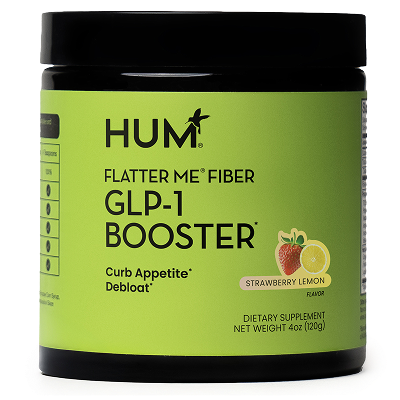
Balancing GLP-1 production through a natural GLP-1 booster like the HUM Nutrition Flatter Me Fiber GLP-1 Booster can help address some PCOS symptoms and support women with the common endocrine disorder through the benefits of fiber. “There are certain types of fibers that have been shown to naturally stimulate GLP-1 release in the gut, which can promote feelings of fullness and help support healthy digestion,” Bianchini explains. “For women with PCOS, fiber is important to support gut health, bowel regularity, digestion, and blood sugar balance.”
Strengthening the gut environment can also indirectly support natural GLP-1 activity, leading to a more regulated appetite and reduced blood sugar spikes after meals. However, taking a GLP-1 supporting supplement isn’t the only key to targeting GLP-1 for PCOS. Bianchini also recommends lifestyle changes like getting a good variety of vegetables, fiber, protein, and healthy fats on your plate, plus stress management to “encourage your body’s own built-in appetite and blood sugar regulation system.”
FAQs
How Does GLP-1 Affect Estrogen?
GLP-1 doesn’t directly impact estrogen levels, nor can it increase estrogen. However, estrogen naturally supports GLP-1 release and the two work together (especially in terms of weight management) to address metabolic health. Estrogen can also increase GLP-1 benefits.
Does GLP-1 Help Balance Hormones?
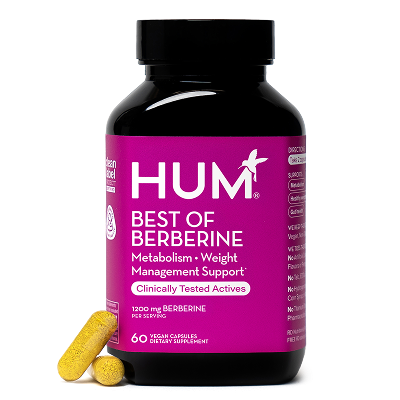
GLP-1 can naturally balance out hormones through its effects on metabolic health and weight management. Women with PCOS can benefit from the effects of GLP-1 (and even taking supplements that boost GLP-1 production, like the HUM Nutrition Flatter Me Fiber GLP-1 Booster and Best of Berberine) since it can help address insulin resistance, balance blood sugar levels, and target inflammation, all of which are common hormone disruptors.
The Takeaway
GLP-1 can be beneficial in managing PCOS symptoms, especially around weight management, insulin resistance, inflammation, and blood sugar. By taking a GLP-1 boosting supplement such as the HUM Nutrition Flatter Me Fiber GLP-1 Booster, which uses fiber to naturally stimulate GLP-1, or Best of Berberine for insulin resistance, you can target metabolic symptoms of PCOS.
The post The Link: How This Natural GLP-1-Boosting Supplement Can Help With PCOS appeared first on HUM Nutrition Blog.
]]>The post Bacterial Vaginosis Has Always Been Seen as a ‘Women’s Issue.’ A New Study Shows It May Be More… appeared first on HUM Nutrition Blog.
]]>A Quick Refresher: What Is BV?

Bacterial vaginosis (BV) occurs when there’s an imbalance in the vaginal microbiome—specifically, when healthy lactobacilli (good bacteria that help keep the vagina acidic) are reduced and replaced by an overgrowth of anaerobic bacteria, such as Gardnerella vaginalis. This disruption leads to inflammation and symptoms like discharge and odor, although many people don’t experience noticeable symptoms. It’s important to note that BV isn’t caused by a single bacterium or a classic infection, and it’s not considered a sexually transmitted infection (STI)—Still, sexual activity such as not using condoms and having new or multiple sex partners can often trigger or worsen the condition.
BV can cause symptoms such as:
- Thin, grayish-white discharge
- Fishy vaginal odor
- Vaginal irritation or burning
- Pain during urination
However, many people with BV are asymptomatic. Left untreated, BV can raise the risk of preterm birth, pelvic inflammatory disease, and increased susceptibility to STIs like HIV.
The Big Shift: What the New Study Found
The randomized, controlled trial studied the effect of treating both men and women when one partner had bacterial vaginosis (BV). In the trial, male partners were given oral metronidazole and topical clindamycin (applied to the penis), while the female partners underwent standard BV treatment.
After 12 weeks, research concluded that only 35% of women who were treated along with their male partners had a BV recurrence. On the other hand, 63% of women who were treated alone experienced a recurrence of the infection.
Why is this a big deal?
Traditionally, BV has been seen as a microbiological issue isolated to the vagina. Treatment guidelines haven’t included male partners, mainly because men don’t show symptoms. However, this study suggests that male partners can act as a reservoir for BV-associated bacteria, unknowingly reintroducing them during sex.
CEO & Founder of PherDal, Dr. Jennifer Hintzsche, agrees, saying, “This study confirms what many women and clinicians have long suspected: BV isn’t just about the vaginal microbiome, it can also be a shared condition between partners.
BV often occurs shortly after intercourse, which is why it has been suspected to be a sexually transmitted infection (STI). But until now, studies that treated both partners with antibiotics hadn’t shown the expected drop in recurrence rates. This is the first study to combine both oral and topical antibiotics for male partners. This combined approach can target BV bacteria species that can survive inside the urethra and on the penile skin.”
Rethinking the Sexual Health Conversation
This research has significant implications for how we approach BV, not just in clinical care but also in addressing social stigma. For too long, women have had to deal with the worry of recurrent infections, often feeling frustrated or even ashamed. Many report treating BV over and over, only to have it return within weeks or months due to an untreated male partner. Hintzsche explains, “With all antibiotic treatment, it’s important for the patient to follow the medication guidelines and take their full dose. If you only kill 99% of the bacteria with an antibiotic, that means 1% of bacteria that remain have now survived the first dose of antibiotics and can develop resistance.” She also notes that the go-to treatments for BV are antibiotics, such as metronidazole or clindamycin, which are typically prescribed for women only; however, the study focuses on treatment for both partners.
Now, there’s solid evidence suggesting that involving male partners in treatment could significantly reduce these recurrences. This could lead to:
- Updates to BV treatment protocols
- Broader education on the shared nature of BV risk
- Reduction in stigma for those repeatedly affected
How to Help Prevent BV in the First Place
While these findings are a game-changer for treatment, they also shine a light on prevention. Understanding that BV isn’t just about individual hygiene but about a shared microbial environment means that prevention efforts can go beyond the basics. From supporting the vaginal microbiome to making informed choices about sex, there are simple, proactive steps people can take to reduce the risk of developing or re-developing BV.
Ways to support BV prevention include:
- Avoid douching: It disrupts the vagina’s natural bacterial balance and can make you more vulnerable to infection.
- Use condoms consistently: Barrier protection can reduce the introduction of semen and bacteria that may disturb vaginal pH.
- Practice good genital hygiene (without over-cleaning): Stick to warm water and fragrance-free products designed for your vaginal area. (Hintzsche also recommends men practice good hygiene to prevent BV from recurring)
- Using harsh soaps can irritate and disrupt the microbiome.
- Limit sexual partners and discuss any symptoms: New or multiple partners can introduce unfamiliar bacteria.
- Avoid smoking: Smoking has been linked to reduced levels of protective lactobacilli in the vagina.
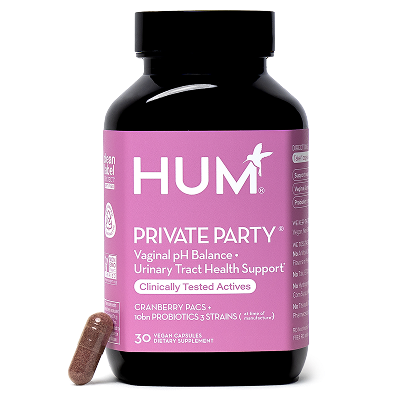
- Support overall vaginal health: Incorporating vaginal probiotics such as HUM’s Private Party can help maintain a healthy bacterial environment. This daily supplement contains three clinically studied strains of Lactobacillus that work to maintain optimal pH levels, balances the vaginal microbiome, and supports healthy function of the urinary tract.
- Stay in tune with your body: If symptoms appear, early treatment can help prevent full-blown infections or recurrences.
These steps won’t guarantee you’ll never get BV, but they can help create a healthier environment where beneficial bacteria thrive—and that’s the best line of defense.
The post Bacterial Vaginosis Has Always Been Seen as a ‘Women’s Issue.’ A New Study Shows It May Be More… appeared first on HUM Nutrition Blog.
]]>The post The Rundown on Vaginal Ulcers: What They Are, How Do You Get Them, and How Can You Treat Them appeared first on HUM Nutrition Blog.
]]>Vaginal ulcers can result from a variety of causes, from sexually transmitted infections (STI) to everyday irritants, and knowing the signs can help you get the proper treatment sooner. Whether you’re feeling discomfort and unsure what’s causing it or simply want to be informed, here’s everything you need to know about vaginal ulcers—what they are, how they occur, and when to seek treatment.
What is a Vaginal Ulcer?

Vaginal ulcers are open sores that form on the vulva, which is the external part of the female genitalia. These sores can vary in size and appearance, but they’re usually painful and may be accompanied by other symptoms, such as swelling, discharge, and even fever. Because the area is sensitive, ulcers can also cause discomfort during urination and other daily activities.
How Do You Get a Vaginal Ulcer?
There are several reasons why vaginal ulcers might appear, and the cause often determines the course of treatment. The most common causes include:
1. Sexually Transmitted Infections (STIs)
This is the leading cause of vaginal ulcers. Genital herpes, syphilis, and chancroid are three STIs commonly linked to ulcer development. According to the Centers for Disease Control and Prevention (CDC), genital herpes is the most widespread culprit, affecting around 12% of Americans under the age of 50.
2. Non-STD Infections
Not all infections that cause ulcers are sexually transmitted. Bacterial, viral, or fungal infections—such as yeast infections or bacterial vaginosis—can also lead to ulceration if left untreated or if the area becomes irritated.
3. Autoimmune Conditions
Certain autoimmune disorders can also manifest with vaginal ulcers. These include Behcet’s disease and Crohn’s disease, both of which can cause inflammation throughout the body, including the genital area.
4. Physical Irritations
Everyday activities or products can sometimes trigger ulcers. These include:
- Repetitive friction (e.g., from tight clothing or vigorous sexual activity)
- Allergic reactions (e.g., to condoms or hygiene products)
- Harsh soaps or douching
- Prolonged moisture or heat trapped by underwear (this can cause a yeast or bacterial infection)
Alongside visible sores, you might experience burning, swelling, vaginal bleeding, painful urination, and even fever, depending on the underlying cause.
How Are Vaginal Ulcers Treated?
Treatment can vary depending on what’s causing the ulcers. Sexologist Sofie Roos recommends investing in a mild, unscented soap made for the vagina or only using water when cleaning. “Stay away from tight clothes, use underwear made out of cotton that breathes well during the day, and sleep without underwear,” she says.
Considering the various treatments that are available, here’s what you can expect (or DIY at home to minimize symptoms before being seen):
- Topical medications like lidocaine (for pain relief) or zinc oxide (to protect the skin)
- Antiviral medications or Antibiotics, if a bacterial infection is the root cause
- Over-the-counter pain relievers such as ibuprofen or acetaminophen
- Soothing baths or sitz baths to ease irritation
- Cool compresses to reduce inflammation
When to See a Doctor
Urogynecologist, reconstructive surgeon, and Aeroflow Urology medical advisor Dr. Lopa Pandya says, “You want to contact your healthcare provider once you notice something out of the ordinary.” From there, they will ask about sexual history, medication history and in general symptomatology. “A patient would likely also be tested for sexually transmitted infections either with swabs or a blood test. It is also important to make note of associated conditions that may contribute to ulcers as there are autoimmune conditions which can be associated with vaginal ulcers,” she says.
Genital herpes can be transmitted sexually, whether or not you have symptoms. The American Sexual Health Association (ASHA) notes that several instances, including asymptomatic reactivation, asymptomatic shedding, or subclinical shedding, can occur, meaning the virus may be present but not show any symptoms yet.
However, if the ulcer is caused by friction from sex or an allergic reaction from a scented product, Roos says simply refraining from intercourse and the irritant can heal the issue without medication.
You should make an appointment with your healthcare provider if you experience anything out of the ordinary, including:
- Pain around the site
- Abnormal vaginal discharge
- Blister-like lesions (or crusted-over lesions)
- Itching
- Bleeding
- Urinary symptoms (pain, urgency)
- Pain during intercourse
- Systemic symptoms (fever, fatigue, body aches)
Vaginal ulcers can be painful and unsettling, but they’re often treatable once the cause is identified. Whether it’s an STI, irritation, or an underlying health condition, early diagnosis and treatment are key. Don’t be afraid to seek medical advice. It’s better to get help from a professional first than to let symptoms progress, potentially furthering complications that may be detrimental to your health.
The post The Rundown on Vaginal Ulcers: What They Are, How Do You Get Them, and How Can You Treat Them appeared first on HUM Nutrition Blog.
]]>The post Say Goodbye to Summer Yeast Infections, and Hello to a Healthy Vagina appeared first on HUM Nutrition Blog.
]]>If you’ve ever had one, you know the drill: itching, burning, weird discharge, and a general sense that something is not right. And while yeast infections are incredibly common (they’re the second most prevalent vaginal infection worldwide), that doesn’t make them any less frustrating—or less confusing.

What Causes Yeast Infections?
Yeast infections happen when there’s an overgrowth of Candida—a type of fungus that naturally lives in the vagina. Normally, your body keeps this fungus in check with the help of good bacteria (mainly Lactobacillus), which maintain an acidic environment that prevents yeast from taking over, explains Lora Shahine, MD, board certified reproductive endocrinologist and OB/GYN practicing at PNWF in Seattle, WA and host of the Brave & Curious weekly podcast. But when that balance gets thrown off, Candida can multiply and trigger symptoms like itching, irritation, and thick, white discharge.
So what throws things off? A lot, actually. Hormonal shifts (like during pregnancy or from birth control), antibiotics, diabetes, a compromised immune system, and even your favorite workout leggings can disrupt the vaginal microbiome, Dr. Shahine adds. And yes, sitting around in a wet swimsuit all afternoon doesn’t help either. Warm, moist, and stagnant environments are basically an open invitation for yeast to flourish.
Healthy Vagina 101: Can Probiotics Help?
Yes—especially the right ones, according to Dr. Shahine. Research shows that specific strains like Lactobacillus rhamnosus and Lactobacillus reuteri can help maintain a healthy balance of vaginal flora by promoting the growth of good bacteria and crowding out potential pathogens like Candida, the fungus behind most yeast infections.
“These beneficial bacteria work by producing lactic acid and hydrogen peroxide—natural byproducts that help keep the vaginal pH in its ideal acidic range (around 3.8 to 4.2),” says Risa Klein, CNM, certified nurse-midwife OB/GYN. This acidic environment makes it harder for yeast and bad bacteria to take hold, especially during summer, when heat and moisture can throw things off balance, she explains.
If you’re looking for the best probiotics for vaginal health, HUM’s Private Party is a solid place to start. It contains clinically studied strains of L. rhamnosus and L. reuteri specifically chosen for their ability to colonize the vaginal tract and support microbiome balance. Bonus: it also includes cranberry extract, which has been studied for its potential to support urinary tract health—another summertime concern for many.
Everyday Habits for a Healthy Vaginal Microbiome
Your daily habits—from what you eat to what you wear—play a major role in keeping your vaginal microbiome balanced, especially during the summer months. Here’s what matters most:
Cut back on sugar, refined carbs, and booze
High-sugar diets can feed Candida, the yeast behind most infections. That includes not just desserts, but processed carbs and even frequent alcohol. Cutting back helps reduce the risk of overgrowth and supports a more stable vaginal environment.
Focus on gut-friendly foods
Fermented foods, fiber, and prebiotics like garlic and onions help good bacteria thrive. “A balanced gut supports immunity and maintains vaginal pH,” says Klein. Translation? Gut health = vaginal health.
Wear breathable fabrics, and change quickly
Heat, moisture, and tight fabrics are a recipe for yeast overgrowth. To lower your risk, Dr. Shahine recommends wearing breathable, natural fabrics like cotton underwear and loose-fitting clothes that allow for airflow and help keep the area dry. Also, change out of damp swimsuits or sweaty workout gear ASAP. Damp clothes? Yeast heaven.
Skip the scented stuff
Your vagina is self-cleaning. Douching or using fragranced washes can throw off your pH and disrupt your microbiome, according to Dr. Shahine. Instead, she recommends opting for gentle, unscented cleansers for the outer vulva only—and leaving the rest to your body’s natural balance.
Stay hydrated (but don’t rely on it to “flush” infections)
“While water is essential for general health, it won’t cure or prevent yeast overgrowth,” says Klein. But hydration does support mucosal health and overall function.
FAQs: Yeast Infections + Vaginal Health for a Healthy Vagina
What’s the difference between a yeast infection and BV?
Yeast infections and BV are both common, but not the same. Yeast is a fungal overgrowth (think: itching, irritation, thick white discharge), while BV is a bacterial imbalance with thin, grayish discharge and a fishy smell, especially after sex or during your period. A quick pH test or pelvic exam can help confirm what’s going on (and yes, you can have both).
Can probiotics actually prevent yeast infections?
Yep, the right probiotics can totally help. Strains like Lactobacillus rhamnosus and Lactobacillus reuteri are MVPs when it comes to keeping yeast in check and supporting a healthy vaginal pH. A daily, targeted probiotic, like HUM’s Private Party, can help maintain that delicate balance and give your microbiome the backup it needs, especially if you’re prone to irritation or infections.
Is it bad to wear tight leggings all day?
If you’re living in tight, synthetic leggings and breaking a sweat? Your vaginal microbiome might not be thrilled. Heat and moisture get trapped, creating prime conditions for yeast to do its thing. Switch to cotton undies and looser fits when you can—especially after workouts or on steamy summer days. Your body (and bacteria) will thank you.
What foods make yeast infections worse?
Sugar’s a major culprit. Candida thrives on it, so dialing back on sweets, refined carbs, and even excess fruit can make a big difference. Other usual suspects? Alcohol, processed foods, and anything that throws your gut out of whack—since your gut and vaginal microbiomes are more connected than you think.
Do partners need to be treated too?
Usually, nope. Treating your partner doesn’t seem to lower your risk of getting another yeast infection. But if symptoms keep coming back or you’re not sure what’s going on, check in with your healthcare provider. A quick swab can help ID the issue—and get you the right fix.
The post Say Goodbye to Summer Yeast Infections, and Hello to a Healthy Vagina appeared first on HUM Nutrition Blog.
]]>The post 6 Things You Need to Do for Your Vagina Post Pool Day appeared first on HUM Nutrition Blog.
]]>
Pool parties are one of the best ways to beat the summer heat. But while a summertime swim sesh makes for great memories, it can also cause unexpected discomfort down there. Heat, chlorine, and hours in damp swimwear can throw things off, causing vaginal irritation or infections. “Traditional chlorine and salt water pools have a basic pH, so prolonged exposure can alter the vaginal pH, which should be less than 4.5,” says Dr. Christie Cobb, MD, an obstetrician gynecologist. “Imbalances in pH increase the risk of bacterial imbalances and can be symptomatic of bacterial vaginosis.” But here’s the good news: There are simple, easy steps you can take to prevent this from happening.
Below, we break down six things you need to do for your vagina post pool day. Plus, the best probiotics for vaginal health so you can enjoy some fun in the sun without worry.
Change Out of Your Wet Swimsuit ASAP
It may be tempting to hang out in your swimmie, but Dr. Cobb says this is the worst thing you can do for your vaginal health. “Changing into dry clothes from a wet swimsuit is the most important line of defense,” she says. “Any warm and moist environment increases the risk for a yeast infection.”
Hit the Bathroom
The second-best thing you can do post pool party? Use the restroom after leaving a pool, hot tub, or water park attraction (like a water slide). “In addition to vaginal infections, any retrograde flow of water into the urethra can increase the risk of a bladder infection,” Dr. Cobb says. Even if you don’t need to use the bathroom, try to expel any potential water.
Wash Your Vagina
Both chlorine and salt water are drying, which can cause irritation. Wash the area with soap and water to minimize this risk. “Bathing after swimming should include the same gentle cleanser that is used for daily vulvar hygiene,” Dr. Cobb says. “If there’s travel involved after swimming and a shower isn’t immediately available, there are also feminine wipes available, which can help with pH balance and decrease the risk of irritation.
Change Your Tampon or Menstrual Cup

If it’s that time of the month, you can still enjoy the pool with the right products. Whether you’re wearing a tampon or a menstrual cup, Dr. Cobb says to change them before and after a pool party. “Wearing a tampon isn’t associated with an increased risk of infection, but it is good practice to change it both before and after swimming,” she says. “The same goes for menstrual cups, which can be popular for summer use because there’s no risk of pool water being absorbed.”
Do Not Douche
Giving yourself a deep clean after a day in the pool sounds like a good idea, but it will only cause problems down the line. “Do not douche,” Dr. Cobb says. “This is never recommended.” Studies have found douching can disrupt the balance of bacteria and yeast in the vagina, leading to infection, inflammation, and an increased risk of bacterial vaginosis and pelvic inflammatory disease.
Add a Probiotic to Your Routine
Whether you’re heading to one or one hundred pool parties this summer, taking a probiotic can help keep things balanced.
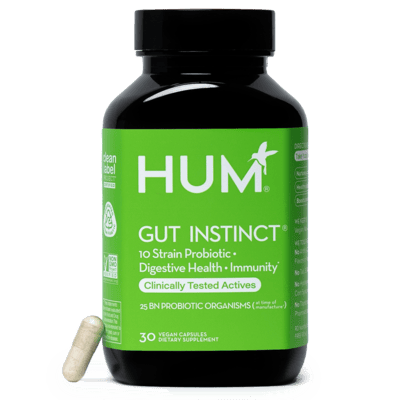
In fact, 100% of subjects in a consumer survey felt more confident down there after taking HUM’s Private Party. That’s because our blend of probiotic strains (Lactobacillus acidophilus (La-14), L. rhamnosus, and L. reuteri) help restore vaginal flora, maintain yeast balance, and promote overall vaginal health. These strains naturally occur in a healthy vaginal microbiome and have clinically-tested benefits from oral supplementation. HUM’s supplements are also Clean Label Product Certified, meaning they’ve been rigorously tested to ensure they meet high standards for purity and safety.
FAQs
Can I take Private Party with other supplements?
Yes, Private Party can generally be taken with other supplements, including other HUM probiotics (like Skin Squad or Gut Instinct). Different probiotics provide different benefits, so the more diversity, the better.
Can I take Private Party while pregnant?
Probiotics are generally safe for pregnancy, but it’s best to check with your doctor before adding new supplements to your routine.
Will Private Party help treat yeast infections, UTIs, or other medical conditions?
Private Party isn’t intended to treat infections or medical conditions. If you think you have an infection, talk to your doctor.
The post 6 Things You Need to Do for Your Vagina Post Pool Day appeared first on HUM Nutrition Blog.
]]>The post How Berberine Benefits PCOS appeared first on HUM Nutrition Blog.
]]>Berberine is a buzzworthy supplement known for all sorts of health benefits, including its ability to reduce inflammation, balance blood sugar levels, and lower insulin resistance. It’s also considered a natural GLP-1 and can support weight loss efforts, thanks to its ability to mimic the GLP-1 hormone. With all of these perks, the supplement is also used in women’s health to help women manage PCOS symptoms.
What Is PCOS?
“PCOS is a hormonal and metabolic disorder that affects how a woman’s ovaries function,” says Dr. Sabrina Solt, NMD, naturopathic medical doctor and founder of Stem Cell Therapy Professionals. “It’s often characterized by irregular periods, insulin resistance, and elevated androgens (male hormones), which can lead to symptoms like weight gain, acne, and excess facial hair.”
According to Jennifer Nicole Bianchini, MS, RD, IFNCP, RYT, a functional Dietitian and Mind-Body Wellness Expert, PCOS is one of the most common endocrine disorders among women, but it’s also one of the most underdiagnosed. She explains that an estimated 4 to 10 percent of women of reproductive age have the condition, though many cases remain underdiagnosed since it has historically been under-recognized in the medical community. Dr. Nadia Musavvir, ND, says some also go underdiagnosed because “they don’t ‘look’ like they fit the classic presentation of symptoms” and therefore get dismissed because the proper evaluations aren’t done.
The Link Between Blood Sugar and PCOS
In addition to acne, facial hair, and other common PCOS symptoms, the condition can also impact blood sugar regulation. Typically, the body uses insulin to move sugar from the bloodstream into the cells for energy or storage, says Bianchini. But in those with PCOS, the process is less efficient. As a result, Bianchini says it can cause weight gain (especially around the belly), energy crashes, cravings, and increase the risk of type 2 diabetes and cardiovascular disease.
How Berberine Can Support PCOS Symptoms
While there is no one-and-done cure for PCOS, there are ways to support hormone balance and address symptoms naturally. “Berberine is a plant-based compound that’s been gaining a lot of attention for its potential role in supporting women with PCOS, especially because of its effects on blood sugar balance, insulin sensitivity, and inflammation,” says Bianchini.
According to research, berberine can improve insulin sensitivity because it activates a pathway called AMPK (which Bianchini says is kind of like your body’s metabolic master switch). This can help regulate how the body uses and stores energy. “Berberine has been shown to help balance blood sugar and lower fasting insulin,” she explains. “Since most women with PCOS tend to experience insulin resistance, berberine can be very beneficial.”
FAQs
Should people with PCOS take berberine?
Those with PCOS can benefit from adding berberine supplements such as the HUM Nutrition Best of Berberine. “Berberine helps by targeting one of the root causes of PCOS: insulin resistance,” says Dr. Solt. “It improves insulin sensitivity, lowers fasting glucose, and can reduce circulating androgens,” she adds.
Does berberine help with hormonal imbalance?
Taking a berberine supplement can support hormone-balancing efforts, but not entirely on its own. According to Dr. Solt, when used alongside other lifestyle upgrades (such as an animal-based and low-inflammatory diet, strength training, and stress regulation), it can “significantly improve symptoms like irregular periods, weight gain, and hormonal acne.” She notes that, for many women with PCOS, it’s a fantastic way to bridge the gap between pharmaceutical and lifestyle-based therapies.
The Takeaway on Berberine Benefits
Berberine is a supplement that can be used to support women with PCOS, thanks to its ability to target common symptoms of the endocrine disorder, including inflammation, blood sugar imbalances, and insulin sensitivity. While it’s not a cure—and needs to be paired with other lifestyle changes for best results—it can yield positive results and help women take some control over their PCOS symptoms.
The post How Berberine Benefits PCOS appeared first on HUM Nutrition Blog.
]]>The post The Link Between Liver Health and Monthly Menstrual Pain, Bloat, and Discomfort appeared first on HUM Nutrition Blog.
]]>Every month, many women brace themselves for the dreaded PMS symptoms: cramping, bloating, and that all-too-familiar wave of discomfort. While we tend to blame hormones for this discomfort, the true culprit may be your liver. This powerhouse organ does far more than detox your Friday night cocktail; it plays a central role in hormone regulation, inflammation control, gut function, and metabolic balance—all of which directly impact how you feel before and during your period.
While responsible for so many functions in the body, understanding the liver’s role in your cycle can be a game-changer in managing your monthly discomfort—and may even help you feel more balanced, energized, and in tune with your body.
In this article, we explain the link between liver health and menstrual health.
How the Liver Impacts the Menstrual Cycle
One of the liver’s key jobs is to metabolize and filter out excess hormones, especially estrogen. When the liver is functioning properly, this process helps keep hormone levels in check and supports a more regular, less symptomatic menstrual cycle. The liver also helps regulate inflammation, supports gut health, and assists in the detoxification of everything from alcohol to environmental toxins. When these systems are balanced, your body is better equipped to maintain hormonal harmony.
However, when the liver is sluggish or overloaded, excess estrogen begins to accumulate and recirculate through the bloodstream. This surplus of estrogen throws off the delicate hormonal balance the body needs to maintain a healthy menstrual cycle. Typically, estrogen rises during the first half of the cycle and falls after ovulation, allowing progesterone to take the lead. But when estrogen lingers at higher levels, it can overpower progesterone, leading to a state called estrogen dominance.
Liver Dysfunction and Menstrual Symptoms
Estrogen Dominance and Period Pain
Factors like stress, poor diet, medications, alcohol, and even environmental toxins can have a ripple effect on your cycle. When this occurs, the liver cannot metabolize estrogen efficiently, leading to estrogen dominance—a condition where estrogen levels outweigh those of progesterone, affecting the menstrual cycle. Dr. Shawn George, a physician at Yorktown Health, says, “Elevated estrogen can lead to a thicker uterine lining, resulting in heavier or longer periods, and it can also contribute to irregular cycle lengths. Some individuals in my practice experiencing significant PMS symptoms have shown hormonal profiles consistent with estrogen dominance, and addressing this imbalance can often improve their menstrual health.”
Bloating, Water Retention, and Inflammation
High estrogen levels also promote water retention and inflammation, leading to the classic symptoms of bloating, puffiness, and digestive discomfort. Poor liver health can also affect your gut, another key player in hormone regulation. Since estrogen also affects how the gut and liver function together, high circulating estrogen can further strain these systems, creating a vicious cycle of hormonal buildup and worsening monthly symptoms.
Supporting Liver Health for a Better Cycle
The good news? A few intentional changes can go a long way in supporting your liver—and, by extension, your menstrual health. Here are some tips that can help improve your liver support:
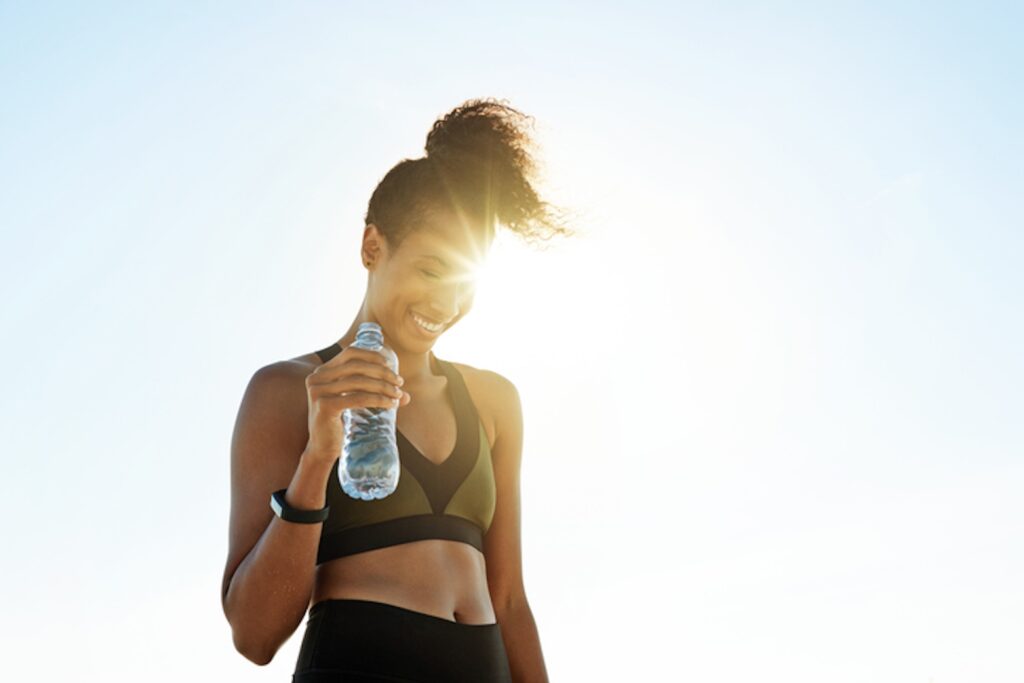
- Stay well-hydrated: Drinking water consistently throughout the day helps flush toxins out of the body and supports healthy digestion.
- Limit alcohol intake: When the liver is busy breaking down alcohol, its ability to process and eliminate excess hormones like estrogen slows down, which can lead to hormonal imbalances.
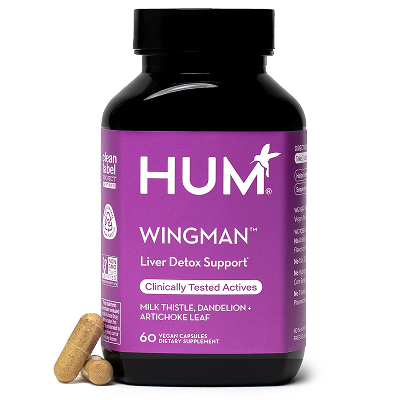
- Incorporate liver-supporting supplements: HUM’s Wing Man supplement contains a blend of milk thistle, dandelion root, and artichoke leaf, all supporting liver detoxification.
- Support your gut: A fiber-rich diet, probiotics, and fermented foods help maintain a healthy microbiome that supports the removal of excess hormones. Additionally, cruciferous vegetables like broccoli, cauliflower, and Brussels sprouts contain compounds that support estrogen metabolism. (Try eating these foods to reduce some of those painful side effects!)
- Move your body consistently: Regular exercise naturally supports the body’s detoxification process and regulates hormones for a healthy balance.
- Get a good night’s rest: “The liver achieves maximum detoxification and repair processing through rest periods due to the sufficient sleep duration”, George explains. Nightly rest plays a vital role because it helps the liver continue working efficiently over time, healing the body.
Your period doesn’t have to feel like a battle. If you’re dealing with recurring menstrual pain, bloating, and emotional swings, it’s worth looking beyond your hormones and taking a deeper look at your liver health. While often overlooked, the organ is at the heart of hormone metabolism, inflammation regulation, and detoxification—all of which are essential for a healthy, pain-free menstrual cycle. By showing your liver a little love and self-care, you can transform your monthly experience from frustrating to manageable—and maybe even empowering.
The post The Link Between Liver Health and Monthly Menstrual Pain, Bloat, and Discomfort appeared first on HUM Nutrition Blog.
]]>The post Painful Period Hacks Rated: From Castor Oil Packs to Supplements and More appeared first on HUM Nutrition Blog.
]]>Let’s be real—having your period can feel like running a marathon and getting punched in the gut at the same time. Cramps, aches, mood swings—sometimes it’s enough to make you want to hide under the covers for a week straight. If you’ve ever Googled “how to stop period pain fast” while clutching a heating pad, you’re not alone. The good news? There are tried-and-true ways to ease the pain.
In this article, we’re diving into why periods hurt in the first place, what symptoms to watch for, and which hacks actually work when your body feels like it’s staging a revolt.
Why Are Periods So Painful?
At the start of every cycle, your uterus contracts to help shed its lining, and those contractions are triggered by hormone-like substances called prostaglandins. Prostaglandins are hormone-like lipids that are released by the body”, explains Samantha Veitch, an Ayurvedic practitioner specializing in menstrual health. “They are pro-inflammatory and stimulate uterine contractions to shed the uterine lining in the first few days of your period, and this is what can cause the cramping sensation.” Therefore, the more prostaglandins you have, the stronger (and more painful) your cramps will likely be. High levels of these chemicals can also cause nausea, diarrhea, and headaches. On top of that, if you have conditions like endometriosis, fibroids, or pelvic inflammatory disease, your period pain could be even worse. In short, your body is doing important work, but it’s not exactly being gentle about it.
Symptoms of Pain During Your Period
Not sure if what you’re feeling is normal? Here are some common symptoms tied to menstrual pain:
- Cramping in your lower abdomen or back
- Aching or throbbing sensations
- Sharp, stabbing pains
- Headaches or migraines
- Nausea or upset stomach
- Fatigue and muscle weakness
Hacks to Ease Pain During Your Period
So now that we know why period pain happens, let’s talk about what you can do about it. Here’s a roundup of popular hacks—plus how effective they actually are.
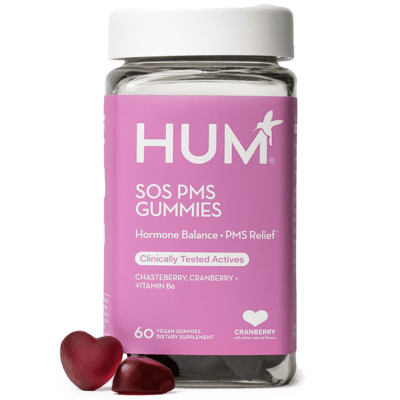
Before we break down each hack on a scale from 1-10, here are two supplements we can’t live without for period symptoms.
Using a Heating Pad (or Taking a Warm Bath)
Rating: 10/10
This one will always be a go-to classic for getting through painful periods. Veitch explains that applying heat to the abdomen relaxes the muscles of the uterus and improves blood flow, helping to reduce the intensity of cramping. With increased blood flow comes better oxygen and nutrients, relaxing the tight, contracted muscles. If you don’t have a heating pad, you can always soak in a warm bath (bonus if you have some essential oils to throw in there as well!). Whether you prefer a heating pad on your belly or soaking in a warm, comforting bath, heat therapy is scientifically proven to help relieve period pain almost as effectively as over-the-counter meds.
Castor Oil Packs
Rating: 8/10
Castor oil has been used for centuries to promote circulation and reduce inflammation. When applied, it can help relax the muscles, ease cramping, and improve blood flow, which may help reduce the intensity of period pain. Acupuncturist and Chinese Herbal Medicine Expert Dr. Jac Medeiros typically recommends castor oil packs for patients experiencing Liver Qi stagnation (a pattern in Chinese medicine often associated with symptoms like irritability, mood swings, premenstrual breast tenderness, and painful or irregular periods. To make a castor oil pack, soak a cloth in castor oil, place it over your liver (on the right side of your body, just under the rib cage), and secure it with plastic wrap. “When securing the pack, it should feel snug but not uncomfortable,” Medeiros says. “Start by wearing it for a few hours and gradually build up to overnight use if tolerated. I recommend starting with twice per week.”
Essential Oils (Massaged In)
Rating: 7/10
Essential oils like lavender, clary sage, rose, and peppermint are known to help relax muscles and reduce inflammation. One pain management study found that women who used essential oils during their periods experienced less pain compared to those who received a placebo aromatherapy massage. For this technique, combine a few drops of essential oils with a carrier oil like coconut or jojoba oil and mix the two before massaging it into the lower abdomen. (Using a carrier oil with the essential oils prevents skin irritation from occurring.)
Eat Foods with Magnesium
Rating: 8/10
Magnesium plays a crucial role in muscle relaxation and reducing inflammation. Some research even suggests that women with higher magnesium intake experience less painful periods. Foods like leafy greens, almonds, pumpkin seeds, dark chocolate, and avocados are great natural sources of the mineral. Veitch recommends drinking a cup of ceremonial-grade cacao. “Cacao is rich in magnesium, which helps relax muscles and reduce cramps,” she says. “Magnesium often dips during your period, which can increase tension in the body; a warming cup of cacao replenishes this mineral, which promotes relaxation and easing of tension.”
Move Your Body

Rating: 7/10
Dragging yourself to a workout class might feel impossible when you’re cramping, but light exercise can actually make a huge difference. Movement boosts endorphins—your body’s natural painkillers—and helps improve blood flow, which can reduce cramping. Even a brisk walk, pilates, or an easy spin on a stationary bike can help. Gentle yoga poses like child’s pose, cat-cow, and reclining twist can also help stretch and relax the lower body muscles, improving circulation and easing cramps.
Acupuncture (Relaxes the Nervous System)
Rating: 8/10
Acupuncture is known to help reduce pain symptoms by inserting super-fine needles into specific points on the body. Some studies suggest that acupuncture can relax the nervous system, reduce prostaglandin levels, and significantly ease period pain. Medeiros suggests applying acupressure to Spleen 6, which is located about 3 inches above the inner ankle bone (medial malleolus). Then, using firm pressure, massage the area in small circles for 3-5 minutes. “It’s normal for the point to feel tender,” Medeiros says. “Spleen 6 intersects the Spleen, Liver, and Kidney channels — key meridians in gynecological health — and is commonly used to relieve menstrual cramps and support reproductive balance.”
When to Seek Professional Care
If your pain ever feels extreme (like it’s interfering with your daily life), it’s worth checking in with a doctor to rule out underlying conditions. While period pain can be more painful for some than others, it shouldn’t be so severe that it keeps you from functioning — intense, debilitating pain could be a sign of something more serious.
“If you experience cramping, please know there’s support available,” Medeiros says. “Cramps that come with large clots, heavy bleeding, nausea, pain with sex, or pain so severe that NSAIDs don’t help should be evaluated, as they may point to conditions like endometriosis, adenomyosis, or fibroids. If something feels off, trust your body and seek care from someone who will take your pain seriously.”
Pain during periods is unfortunately common, but that doesn’t mean you have to suffer through them without finding relief. From cozy heating pads to holistic approaches like castor oil packs and acupuncture, there’s a whole toolkit of options to explore. What works best can vary from person to person, so don’t be afraid to experiment and find your perfect period pain relief combo. Your body will thank you during even your worst cycles.
The post Painful Period Hacks Rated: From Castor Oil Packs to Supplements and More appeared first on HUM Nutrition Blog.
]]>The post Your Down-There Care Guide: Foods To Keep Your Summer Vibe in Balance appeared first on HUM Nutrition Blog.
]]>Summer brings bikinis, beaches, and unfortunately, sometimes unwanted changes in your vaginal health. Between heat, humidity, and extra pool time, maintaining your vaginal pH balance becomes even more important during the warmer months. The good news? Your diet plays a significant role in keeping everything down there in harmony.

Why Vaginal pH Matters
A healthy vagina is naturally acidic, with a pH typically between 3.8 and 4.5. This acidic environment helps prevent infections by inhibiting the growth of harmful bacteria while supporting beneficial microorganisms like Lactobacillus. When your pH levels rise above 4.5, you become more susceptible to bacterial vaginosis, yeast infections, and other uncomfortable issues (definitely not the vibe we’re going for).
“If the vagina is not in balance, look to the gut to balance it out,” explains Dr. Wendie Trubow, MD, MBA, a functional medicine gynecologist. “Focus on the elimination of processed foods, sugar, and alcohol, and increase rest.”
The Best Foods for Vaginal pH Balance
Let’s dive into the best foods to incorporate into your summer diet for optimal vaginal health:
Probiotic-Rich Foods
The following foods introduce beneficial bacteria that help maintain the right balance in your vagina:
- Greek yogurt (unsweetened)
- Kefir
- Kimchi
- Sauerkraut
- Miso
- Kombucha (low sugar)
- Cottage cheese (plain)
Prebiotic Foods
Foods rich in prebiotics feed the good bacteria already present in your system:
- Garlic
- Onions
- Leeks
- Asparagus
- Bananas (slightly unripe)
- Jerusalem artichokes
- Flaxseeds
Fruits
Rich in vitamins and antioxidants, these fruits help fight infections and support overall vaginal health:
- Cranberries (fresh or pure, unsweetened juice)
- Apples
- Kiwi
- Strawberries
- Citrus fruits (oranges, lemons, grapefruits)
- Avocados
Veggies
The following vegetables are nutrient powerhouses that promote circulation and healthy tissue:
- Dark leafy greens (spinach, kale, collard greens)
- Bell peppers
- Broccoli
- Sweet potatoes
- Carrots
- Brussels sprouts
Whole Grains
To support overall gut health, which connects to vaginal health, incorporate the following grains into your diet:
- Quinoa
- Brown rice
- Oats
- Barley
- Buckwheat
Nuts & Seeds
For essential fatty acids and minerals, opt for:
- Almonds
- Walnuts
- Chia seeds
- Flaxseeds
- Pumpkin seeds
Lean Proteins
And last, but certainly not least on the list, eating the following foods will help maintain hormone balance:
- Eggs (preferably organic)
- Fatty fish (salmon, mackerel)
- Lean poultry
- Tofu and tempeh
Foods to Avoid for Optimal Vaginal Health
Just as important as knowing what to eat is understanding what to limit:
- Sugary foods and drinks: Excessive sugar intake can contribute to an overgrowth of yeast, throwing off the balance of good and bad bacteria in the vagina.
- Processed foods: These can increase inflammation and negatively impact your vaginal flora.
- Alcohol: Can disrupt pH balance and dehydrate your body.
- White flour products: May cause blood sugar spikes that affect vaginal pH.
- Fried foods: High in unhealthy fats that can contribute to inflammation.
Your Summer pH-Balancing Plan
Summer does present its unique challenges for vaginal health, but here’s a simple plan to keep things balanced:
- Hydrate, hydrate, hydrate: Water is essential for flushing toxins and keeping tissues healthy.
- Create a probiotic-rich breakfast: Start your day with Greek yogurt topped with berries and flaxseeds.
- Pack pH-friendly snacks: Carry apple slices, nuts, and seeds for on-the-go nutrition.
- Supplement wisely: Consider adding our Private Party supplement to your routine – a 2-in-1 probiotic formula specifically designed for vaginal and urinary tract health. With three clinically studied probiotic strains (1 billion CFUs) and cranberry PACs, it supports a healthy vaginal microbiome, balanced pH, and urinary tract function. Just one capsule daily has helped 100% of users feel more confident about their vaginal health!
Expert Tip
Dr. Kim Langdon, MD, an OB-GYN with over 20 years of experience, recommends choosing organic foods whenever possible, “because they don’t have pesticides which can be endocrine disruptors.” These disruptors can affect hormone balance, which in turn can impact vaginal health.
FAQs
How quickly will dietary changes affect my vaginal pH?
While everyone is different, many women notice improvements within 1-2 weeks of making consistent dietary changes.
Can foods really help prevent vaginal infections?
Yes! The right foods support your body’s natural defenses and help maintain the acidic environment needed to prevent overgrowth of harmful bacteria and yeast.
Should I avoid all sugar to maintain vaginal health?
You don’t need to eliminate all sugar, but limiting added sugars and processed foods can significantly improve vaginal health.
Is there a connection between gut health and vaginal health?
Absolutely. The microbiomes of your gut and vagina are connected, so a healthy gut often means a healthier vaginal environment.
Can drinking cranberry juice cure a UTI?
While cranberry juice alone isn’t a cure, unsweetened cranberry products can help prevent UTIs by keeping bacteria from adhering to bladder walls.
Conclusion: The Takeaway on Vaginal Health
When it comes down to it, maintaining vaginal pH balance isn’t just about avoiding discomfort—it’s about supporting your overall wellness. By incorporating these pH-friendly foods into your summer diet and limiting those that can disrupt your balance, you’re taking a proactive approach to vaginal health that will keep you feeling fresh, confident, and ready to enjoy all the sun-soaked days summer has to offer.
Remember, a healthy inside supports a healthy outside, so make these dietary shifts part of your summer self-care routine!
Disclaimer:
Note: While diet can significantly impact vaginal health, persistent symptoms should always be discussed with your healthcare provider.
Private Party has been clinically tested with 100% of users reporting improved confidence in their vaginal health after 3 months of use, based on a survey of 33 subscribers. Like all Hum Nutrition products, Private Party is free from titanium dioxide, artificial preservatives, artificial flavors, hydrogenated oils, artificial colors, artificial sweeteners, high fructose corn syrup, and EDTA.
The post Your Down-There Care Guide: Foods To Keep Your Summer Vibe in Balance appeared first on HUM Nutrition Blog.
]]>