
13 Ways to Winterize Your Beauty Routine
The post The Ultimate Winter Cold Hack: Vitamin C 101 appeared first on HUM Nutrition Blog.
]]>
Less sun, more indoor time, and the return of everyone’s least favorite guest (hi, sniffles) — winter can really do a number on your immune system. That’s where vitamin C steps in. It’s your go-to antioxidant for defending against free radicals, supporting your immune system, and helping skin bounce back from environmental stress.
According to immunologist John McDonnell, MD, “Vitamin C is very important for the proper functioning of your immune system.” It supports how immune cells communicate, respond, and recover.
In other words? It helps your body show up and do the most when germs try it.
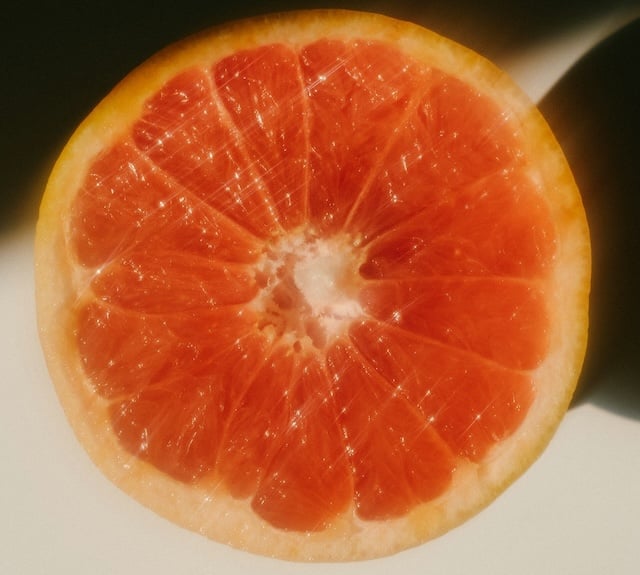
Start your day with a kiwi-spinach smoothie or grapefruit slices with breakfast. Those bright colors are your Vitamin C cue. Plus, most of them come with skin-loving benefits too.
Add chopped bell peppers to pasta, toss orange segments into salads, or blend strawberries into Greek yogurt. You don’t need to overthink it. Just add one C-rich food to each meal.
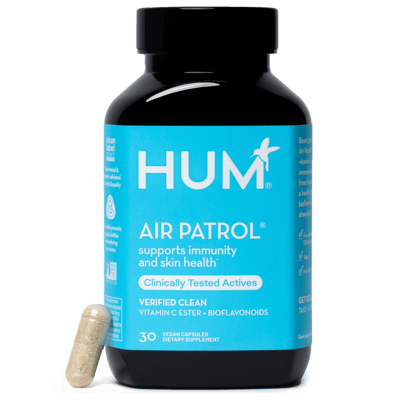
Stress, lack of sleep, travel, or cold weather can leave your body a little less protected. That’s when Air Patrol really shines. It’s not about megadosing, it’s about steady support when your system needs backup.
.Daily Defense in a Capsule: Meet Air Patrol
Think of Air Patrol as your everyday armor, supporting your immune system and skin with clinically tested antioxidant protection.
Here’s what’s inside:
How to take it: Just 1 capsule a day, with food. Easy. Effective. No guesswork
This one hits every mark—immune support, gut health, and skin perks—plus it tastes like a sunny day in a bowl.
Ingredients:
Directions: Blend everything until smooth. Pour into a bowl and top with pumpkin seeds or granola for crunch. Take your Air Patrol with it to complete the morning glow-up.
Vitamin C isn’t just a cold-season panic button. It’s your year-round ride-or-die for immune, skin, and lung support. With Air Patrol, smart meals, and small habits, you’re building real resilience, without overthinking it.
And if you do feel a cold coming? You’ve already got a head start.
Q: Should I mega-dose Vitamin C when I feel sick?
A: Not really necessary. Clinical evidence shows steady, daily intake is more effective than overdoing it. Think of it like skincare. You’ll get better results with consistency than with one big fix.
Q: I already eat oranges. Do I need Air Patrol?
A: If your diet is C-rich, you’re off to a good start. But Air Patrol goes beyond that with bioflavonoids and buffered C to reduce irritation and increase bioavailability, ideal for the cold season and polluted cities.
Q: Will this prevent colds completely?
A: No supplement can guarantee that, but Vitamin C helps your immune system respond better and faster when something’s going around.
The post The Ultimate Winter Cold Hack: Vitamin C 101 appeared first on HUM Nutrition Blog.
]]>The post Fall Wellness Hacks Heading Into The Holidays appeared first on HUM Nutrition Blog.
]]>From centering morning routines and energizing workouts to nutritious meals, grounding moments in nature, and restorative nighttime rituals, these summer wellness practices have a way of making us feel our best.
All too often, though, we let our summer habits go as soon as the hustle and bustle of fall makes itself known. To be honest, we’ve been wired to do just that. Growing up, we eagerly anticipated summer break all year long, yearning for a season when we could forget about the stresses and responsibilities of school and make time for our favorite hobbies. Then, as soon as the first day of school came into sight, anything school-related was expected to come first.
While it’s definitely important to dedicate attention, time, and energy to your responsibilities in the fall (and throughout every season), it’s just important to prioritize your self-care and wellness routines all year round. With that in mind, today we’re here to remind you of the benefits of carrying your summer wellness routine into fall. Perhaps this is the year when you can make time not only for work and the demands of those around you, but for your health, happiness, and healing, too.
It’s all too common to overlook our own achievements. Because of that, we urge you to take a moment to zoom out. What do you see?
Maybe you’re proud of how consistent you became with your workout routine, whether it was morning and evening walks, regular group fitness classes, or embarking on a strength training regimen that you were initially intimidated by.
Perhaps you put a lot of time and effort into creating nutritious weekly meal plans and can feel the immediate impact on your body and mind.

Maybe, for the first time in a long time, you stuck to a consistent sleep and rise schedule, and noticed how much better you’ve felt as a result.
No matter what your summer wellness achievements are, it’s important to acknowledge them, applauding the effort, dedication, and time required to make them the enduring habits you’ve come to love over the past couple of months. In doing this—directly pinpointing their positive effect on your overall well-being and life as a whole—you’ll feel more inclined to carry them from one season to the next.
While analyzing and appreciating your habits in your mind can certainly help with the process, we suggest writing down your thoughts, feelings, and ultimate takeaways from your summer wellness routine so that you have something solid to look back on, not to mention something to serve as the basis for your wellness routine in the seasons ahead.
“Taking more time to journal, pray, and reflect can be a powerful way to welcome the beginning of fall,” says Katie Silcox, New York Times Best-Selling Author of Healthy, Happy, Sexy and soon-to-be-published, Glow-Worthy: Practices for Awakening Your Inner Light and Loving Yourself as You Are―Broken, Beautiful, and Sacred (which debuts on October 3, 2023).
Although any notebook or notepad will do, we love the idea of an aesthetic journaling practice that will make you want to jot down personal anecdotes even more. If that sounds like your cup of tea, allow us to introduce you to Papier. The brand’s hardbound notebooks are sold in dozens of colors and prints and can be personalized with your name and the year. They even sell a Wellness Journal ($38) if you prefer a bit more structure to your journaling.

After determining the most fulfilling aspects of your summer wellness routine, it’s time to uncover ways to ensure you always have plenty of time for them in fall, too.
Find a time that works for your schedule and stick to it. Don’t just leave that hour open on your calendar, though—block it off as if it were a meeting with a CEO; something so important you’d never dream of skipping it.
Pick a day of the week to grocery shop and meal prep so that you always have nutritious snacks and meals readily available. That way, even on your busiest days, you won’t feel inclined to reach for something less than stellar that will only leave you crashing within an hour of consumption.
When picking out your groceries, prioritize foods that make you feel your best, like whole grains, fruits, vegetables, and high protein sources. If possible, shop at a farmer’s market to stock up on local seasonal produce to really embrace the flavors of autumn.
Since meal prep can feel monotonous, we suggest spicing up the routine with your favorite music, as well as kitchen gadgets that streamline the process and/or bring you joy. For example, the colorful Cuisinart 12-Piece Kitchen Knife Set ($27.73) adds a fun pop of color to your kitchen while also ensuring you can slice and dice anything on the menu. Meanwhile, if you love to start your day with a smoothie, the nutribullet Pro 900 ($119.99) makes whipping up delicious smoothies easier than ever (you can even recreate celebrity-favorite Erewhon smoothies with it, as the site posts all ingredients online). More of an ice cream lover? Create your own nutritious cold concoctions with the Ninja CREAMi Breeze Ice Cream Maker and Frozen Treat Maker ($169), which is adored by wellness fans all over TikTok. For salad fanatics, skip the pricey store-bought mixes and whip up your own perfectly chopped salad with the OXO Good Grips Salad Chopper ($29).

Set bedtime reminders and daily alarms to make going to bed and waking up at the same time every day less of a hassle. And, just as with working out, schedule your morning and bedtime routines on your calendar so that you won’t schedule other activities during those times.
If you have trouble falling asleep and/or waking up at the same time during the cooler, darker months of the year, do yourself a favor and add a sunrise alarm clock to your bedside table. The Hatch Restore 2 ($199.99) is a best-seller thanks to its sunset and sunrise routines, not to mention its chic, minimalist appearance.
The trickiest part about transitioning your summer exercise routine to fall—apart from ensuring you have the time to work out—is moving indoors. If you’re someone who likes to run or bike outside, the idea of running on a treadmill or cycling on a stationary bike may feel miserable. To keep your movement exciting and fulfilling, consider opting for more interactive indoor exercise. For example, invest in a Bowflex Treadmill 22 or NordicTrack Commercial 2450 so that you can enjoy visuals from destinations all over the world, which will make you feel like you’re still tracking miles outside. If you love to cycle but hate focusing on a leaderboard or an instructor staring back at you, instead sign up for Les Mills The Trip at a club near you. The incredible wide-screen visuals will make you feel like you’re cycling out of this world.
Meanwhile, if you prefer group fitness settings but your outdoor summer bootcamp or vinyasa flow has come to an end, consider enrolling in a boutique fitness class, such as Barry’s, Orangetheory, Y7, or CorePower Yoga. By surrounding yourself with like-minded individuals, you’ll be more likely to stick to your summer-to-fall fitness routine.
That said, if you’re not sure where you want to (or should) start, Silcox has a suggestion. “I try to focus on exercise that incorporates more fluid movements like walking, gentle yoga, and body weight mobility circuits,” she says. “In the fall, it’s super important to walk more and run less, favor resistance training over cardio loading, and practice gentle yoga and meditation.” With this in mind, you may enjoy signing up for on-demand fitness subscriptions, like Les Mills+ (which offers 21 fitness programs) or Alive by Whitney Simmons (an app that offers over 100 daily workouts, as well as weeks-long fitness programs).
As we mentioned above, one great way to embrace the transition from summer to fall is by stocking your fridge with fall produce and ultra-nourishing foods. “Think of foods that help to counteract gas and bloating and focus on foods that nourish and strengthen the liver,” Silcox says. “This is the perfect time for stewed mung beans, roasted winter squash, and cooked dandelion greens with ginger and fresh turmeric. Apples cooked with a small amount of ghee and spices would also be a great way to hydrate the body and help to keep things moving.”
Speaking of, if you want to kick off fall with a cleanse to reset, Silcox says that there’s no better time. “Ayurveda highlights the time between September 15th and October 15th as the ideal range for a kitchari cleanse,” she reveals, noting that it helps to reset your eating habits for the season ahead. Specifically, a kitchari cleanse is comprised of warm, hearty soups that combine grains and legumes to eliminate toxins from the body while imparting enough energy to function and flow through the transition from summer to fall. While you can make homemade kitchari cleanses, an easy way to whip one up is with the Divya’s Complete Kitchari Bundle ($49.99).
Meanwhile, if you’re looking for the perfect nourishing sweet treat for fall, Silcox can’t say enough about her Gluten Free Buckwheat Muffins with Apples and Cinnamon, the recipe for which is shown below.
Dry ingredients: ½ cup crushed walnuts; 1 cup almond flour; ½ cup buckwheat flour; ⅓ cup ground flax seed; 1 tsp each powdered ginger, cinnamon & salt; ¼ tsp each nutmeg, cardamom & allspice; ½ tsp each of baking powder & baking soda
Wet ingredients: ½ cup coconut oil, ½ cup maple syrup, 3 eggs, ⅓ cup non-dairy yogurt, ¼ cup nut milk, 1 tsp vanilla extract, 2 finely diced apples (medium-sized)
Instructions: Combine all dry ingredients in a large bowl. In another bowl, mix wet ingredients, including apples. Add wet to dry and mix well. Spoon mixture into greased muffin tin and bake at 400 degrees for 20-25 minutes. -Katie Silcox- New York Times Best-Selling Author of Healthy, Happy, Sexy and author of soon-to-be-published, Glow Worthy
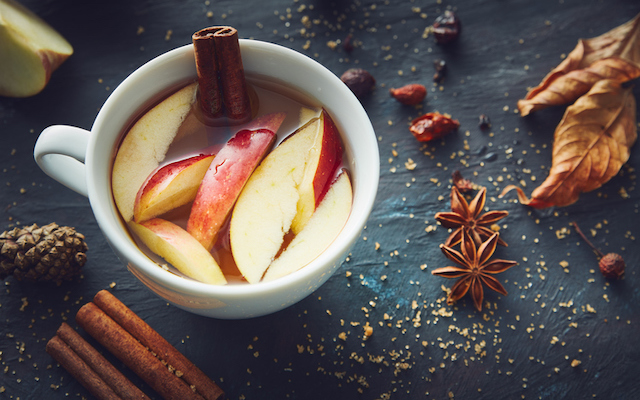
As the temperatures drop during fall, it’s normal to fall under the weather a bit easier. To prevent this from happening, Silcox says it’s important to boost your immunity however you can. While staying hydrated and getting adequate sleep are key, she says that adding herbs and mushrooms to your autumn wellness routine can help, too.
“Try adding some reishi, chaga, or lion’s mane to your morning or evening beverage—these mushrooms are considered major superfoods and are strongly anti-inflammatory, promote longevity, better immune function, and mental clarity,” she says, recommending the Anima Mundi Apothecary Chaga Body Guard Herbal Supplement ($45). “Tulsi, ashwagandha, licorice, and gotu-kola are all some of our favorite ayurvedic herbs for fall. Tulsi and licorice make a delicious tea to sip on all throughout the day.”
All forms of self-care are beneficial. They’re also subjective—what works for one person may not be as effective for you. Because of this, it’s worthwhile to explore different forms of self-care. So, in addition to prioritizing sleep, nutrition, and movement, Silcox suggests meditation and reflection.
“Meditation in the morning and evening sun can be most effective and taking the time to journal can help to ease any extra stress,” she says. “In particular, it could be helpful to use writing prompts such as I let go of or I release. Taking the time to reflect on what has and has not served you in the last six months would be constructive and intentional practice as you move forward into the season of release and surrender.” Other self-care practices she recommends include: taking a sauna break and making self-oil massage a daily ritual.
If your skincare routine is one of your favorite forms of self-care and a highlight of your wellness regimen overall, make sure to adjust it for fall to continue benefiting from it as much as possible. Generally speaking, you’ll want to opt for heavier moisturizers and steer clear of drying ingredients like alcohol, as the cooler months of the year already tend to be more dehydrating for the complexion. And remember: Even if the daylight hours are shorter, SPF is still a must.
At the end of the day, carrying your summer wellness routine into fall requires the proper mindset. You have to be cognizant of the shorter days and cooler weather, and work with them instead of letting them work against you and the rituals that serve you the most.
While fall is known to kick deadlines and work into high gear, do your best to step into the season slow and steady, and with the utmost intention. Doing so will allow your body and mind to thrive, and your wellness routine to survive.
The post Fall Wellness Hacks Heading Into The Holidays appeared first on HUM Nutrition Blog.
]]>The post Fall/Winter Immune Defense Guide: Nourish, Boost and Thrive! appeared first on HUM Nutrition Blog.
]]>Indeed, it’s not your imagination that you and your housemates, partner(s), and pals get sick more often in the cold-weather months than warm-weather months — research has shown that immune system performance lowers during autumn and winter, as a result of temp drops, increased precipitation and lack of vitamin D.
The good news: You can have some influence over the strength and effectiveness of your immune system. “Without a shadow of doubt, the lifestyle choices you make over the course of your life plays a significant role in determining the performance of your immune system and quality of your health,” says celebrity nutritionist and chiropractor Dr. Daryl Gioffre DC, author of Get Off Your Sugar. More specifically, eating nutrient-dense food, sleeping enough, and managing stress levels can serve to keep sickness at bay this season.
Ahead, a list of tips for keeping your immune system strong over the next few, cold months and beyond.
Anyone who’s ever had a grandparent shove a glass of orange juice at them the second they start to get sick, won’t be surprised to learn that the food you put in your body can help you fight infections that might want to take root in it.
As a general rule, the more nutrient-dense your diet is, the stronger your immune system will be, says general health practitioner Dr. Mo Janson, MD with Welzo. After all, there are a number of nutrients and antioxidants that are thought to support the immune system, including:
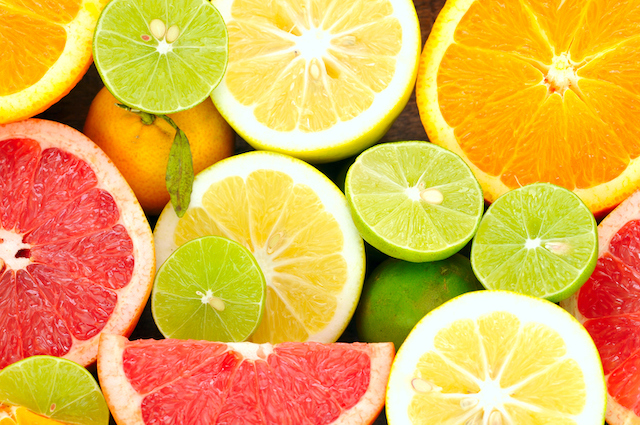
If possible, it’s best to obtain these nutrients from food based sources rather than supplements, he says. “Eating a balanced diet that includes a variety of fruits, vegetables, whole grains, lean proteins, and healthy fats helps ensure that you’re getting the necessary nutrients for immune function,” he says.
If you want to boost your immune-health, eating meals that contain a lot of immune system supportive foods and nutrients is a good move, according to Dr. Gioffre.
In particular, he recommends adding the following foods into your meal whenever possible:
Eating for the season can also support immune health because doing so ensures that you’re consuming foods that are as rich as possible in supportive nutrients. During the Fall and Winter he recommends trying to incorporate in-season fruits and vegetables like sweet potatoes, parsnips, cauliflower, squash (winter, butternut, and spaghetti), avocados, green apples, pears, kale, fennel, broccoli, pomegranates, persimmons, beets, cabbage, endive, and sprouts/microgreens.
Ultimately, how you incorporate the above ingredients into your life is going to depend on personal taste. He suggests power bowls, soups, stews, and salads.
If you’ve ever stepped foot in a smoothie shop, juice bar, tea shop, or health food store, you’ve probably seen beverages with catchy names like “immune boosting smoothie” or “immune defense shot”.
Well, many of these beverages actually do something! “Any drink that has ingredients that have been shown to have immune-boosting ingredients, can help support your immune system so long as they are consumed to complement a balanced diet and not as a primary source of nutrients,” says Dr. Janson.
Whether you prefer cold or hot, smooth or creamy, drinks, the below line-up of immune-boosting drinks and teas has something for you.
If you have a blender and a collection of greens in your fridge, this veggie-forward immune-boosting bevvie is for you.
“Dark leafy greens such as spinach, kale, and sprouts are some of the most powerful foods on the planet because they are loaded with minerals like magnesium and potassium, and antioxidants that will strengthen your immune system from the inside out,” says Dr. Gioffre.
The problem with greens is that because of how much volume they take up in your belly, you can only eat so much of them before feeling full! Blending, then drinking, the greens allows you to consume more of the greens than you would in food-form, he says.
Your move: Throw a bunch of greens into your juicer, then throw the drink back.
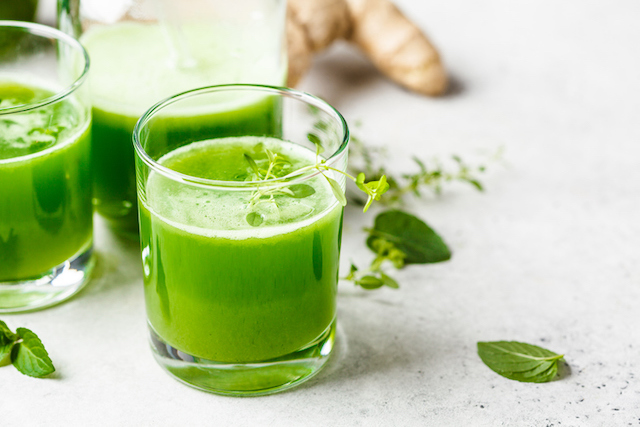
You only need three ingredients for this anti-inflammatory elixir: cucumber, grapefruit, and cilantro. “Together, these ingredients create a powerhouse blend that will boost your immune defense, escort toxins out of your body, and put a pep in your step,” says Dr. Dr. Gioffre.
To make it, simply throw 1 whole cucumber (peeled) , 1 grapefruit (peeled), and ½ bunch of cilantro into your juicer. “Liquid is not needed for this smoothie, as the cucumber and grapefruit provide enough,” he explains.
Pro tip: Add a pinch of sea salt on top for flavor and electrolytes.
“Lemon, ginger, and turmeric are a trifecta of anti-inflammatory superstars,” says Dr. Gioffre. Combining them — plus some black pepper — into a homemade tea with them will cleanse your lymph system, which boosts immunity, he says.
ICYWW: Black pepper has been shown to support your body’s ability to absorb one of the immune-boosting compounds in turmeric (called curcumin).
To start, bring a pot of 16 to 20 ounces of water to a boil. While water is boiling, peel the turmeric and ginger and dice it into small pieces (the smaller the better). Once boiling, remove the pot of water from heat. Next, add turmeric, ginger, and black pepper into the pot with water and simmer for at least 10 minutes. Squeeze a (non-boiled) lemon slice into the cup and enjoy.
Just as its name suggests, bone broth is a soup-like drink made from animal bones. It may sound a little gross, but the sippable beverage contains collagen, amino acids, and other vitamins and minerals that work over-time to lower inflammation in the gut and support the immune system, says Dr. Gioffre.
Your move: Save up the bones and the other connective tissues from your other animal-based home cooking in the freezer. Then simmer them in water for several hours. Or, buy the concoction pre-made in the soup or freezer aisle of most health foods stores.
This is the easiest immune-boosting drink of all to make — the only two ingredients you need are some water and a citrus fruit. “Water with lemons or limes infused into it has the same vitamin and mineral contents as orange juice, sans the sugar,” says Dr. Gioffre.
Indeed, while orange juice does have a high content of vitamin C which will strengthen your immune system, it also is higher in sugar content than is necessary. “When you consume one small glass of orange juice, you are actually getting the amount of fructose found in four oranges,” he says.
So while OJ may seem like a sick day staple, Dr. Gioffre recommends swapping it out for a little flavored water instead.
At risk of sounding like Captain Obvious, anything that is good for your overall health, is going to be good for your immune health!
The idea of overhauling your entire lifestyle may feel a little daunting, so try implementing just these 3 lifestyle habits for better immune health instead.
“Stress is, hands down, the single biggest threat to your immune system,” says Dr. Gioffre. That’s because stress triggers the release of the stress hormone (cortisol) which, when chronically elevated, interferes with the production and function of immune cells and function, he explains.
Compounding this not-so-happy effect, is the fact that people have been shown to be more opt to reach for less healthy foods when they are stressed. “When we’re stressed, we stress eat — which means that we primarily reach for sugar,” he says. “The more sugar you eat, the more you crave, and the more sugar you eat the greater the energy crash and stress levels,, so it becomes a vicious cycle.”
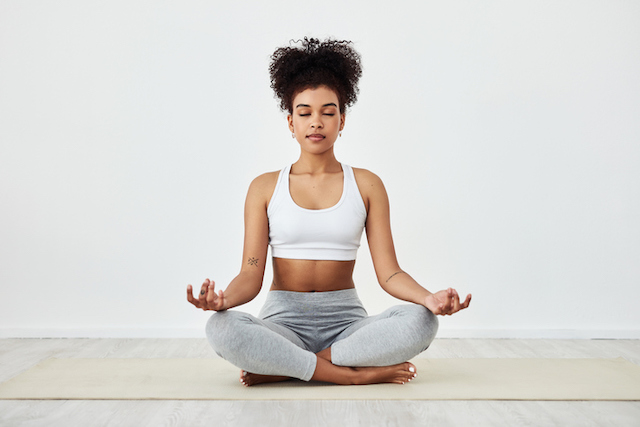
Whether prioritizing immune health is the primary focus of your stress management or not, managing stress is essential for overall well-being and heath. “Breathing exercises are at the top of my list for relieving stress,” says Dr. Gioffre.
More specifically, he suggests a breath called the 4:8 extended exhale breath, which entails breathing in for a count of 4 and exhaling for a count of 8, for 20 times. “It can help move you away from the fight and flight grind of daily life, and stimulate your parasympathetic nervous system, which helps you exit your stress state,” he explains.
“Sleep is the time when your body repairs and regenerates,” says Dr. Janson. Indeed, it’s when your snoozing that your body makes cytokines, a protein that fights inflammation and infection, and white blood cells, which also help fight infection, says holistic health expert registered dietitian Edibel Quintero, RD medical advisor with HealthInsider.
If you do not get enough sleep — most people need 7 to 9 hours per night — it can lead to all sorts of breakdowns throughout the body, including immune symptoms response breakdown, Dr. Janson says.
Spiked hot chocolate may seem like the perfect winter beverage, but Quintero recommends against it. “The harmful compounds present in alcohol reduce the number of antibodies and good bacteria present in the body that work to keep your immune system functioning optimally,” he says.
Sure, you might feel a little bit better after one night of sound sleep or one nutrient-dense meal. But to really reap the benefits, you need to prioritize these healthy habits day in and day out.
“It’s essential to maintain healthy habits like eating a balanced diet, getting enough sleep, managing
stress levels, and washing hands frequently consistently throughout the season to really reduce the risk of illness,” says Dr. Janson. Hey, there’s a reason they say consistency is king!
If you have trouble remembering to implement certain health practices, consider using things like alarms, phone reminders, calendar appointments, sticky notes, and the buddy system to help, he suggests. You might be surprised just how influential a ‘wash your hands’ sticky note and ‘bedtime reminder’ phone reminder can be.
As the weather cools and the sun continues to set earlier and earlier, do your immune system a favor by dialing in your lifestyle, as well as starting to immune-boosting nutrients, foods recipes, and drink into their daily routines.
Trust, the extra attention to detail will be worth it when its sub zero outside, but you still feel one-hundred percent.
The post Fall/Winter Immune Defense Guide: Nourish, Boost and Thrive! appeared first on HUM Nutrition Blog.
]]>The post Zinc Can Give You Glowing Skin, Healthier Hair, and a Stronger Immune System appeared first on HUM Nutrition Blog.
]]>When you hear the word “zinc,” you might automatically think of the opaque white mineral sunscreen you slather on before hitting the beach. But this mineral does more than just protect your skin from the sun. Taken orally, it can support your overall health in numerous ways. “Zinc has recently come to the forefront of many supplement regimens because of its immune-supporting properties,” says Samaria Grandberry, MS, RDN, LDN. But did you know the powerful mineral boasts many other health benefits as well?
We spoke to Grandberry about several different zinc benefits you need to know about. From improved immune function to glowing skin to stronger hair, this powerful mineral packs a serious punch.
“Zinc is an important mineral for cell growth and division and healthy immune function,” Grandberry says. “It functions as an enzyme of protein products, such as collagen (which is the building block of skin, hair, and nails).”

So, what is zinc good for? “In the body, zinc functions as an enzyme in over 300 reactions, which means it helps to ‘move along’ processes in the body,” Grandberry says. “It plays a role in skin strength, lowering inflammation, DNA synthesis, and fighting oxidative stress.” Grandberry breaks down four different health benefits, below.
“The body requires zinc to develop and activate T-lymphocytes, which are a part of the body’s defense mechanism against illness,” Grandberry says. Some research shows the association between low zinc levels and increased susceptibility to infections. Zinc has also been shown to lessen the duration and severity of certain acute illnesses, like the common cold. So if you feel a cold coming on, taking a zinc supplement could potentially soften the overall blow to your immune system.
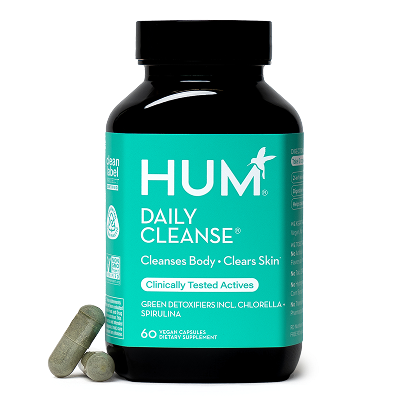
As we age, our skin loses its integrity: it becomes less full, less bright, and less even-toned. But zinc can help since it helps to stabilize skin cell walls as they grow and specialize. “It has been used topically for centuries for conditions like eczema, wounds, dandruff, and as a photoprotective agent,” Grandberry says. Zinc is found in topical skin products such as sunscreens, acne creams, and antifungal shampoos. “Its anti-inflammatory and antioxidative properties make it a promising choice of therapy for many dermatological conditions,” Grandberry adds. But there are benefits to taking zinc for acne orally, too. One study found that oral zinc supplementation was effective in the treatment of acne vulgaris. HUM Nutrition’s Daily Cleanse supplement contains zinc along with other natural detoxifiers to help clear your skin from the inside out.
The thyroid is an essential endocrine gland, involved in every process in the body. But did you know the metabolism of zinc and thyroid hormones are closely intertwined? “Zinc deficiency may result in decreased thyroid hormone levels,” Grandberry says. “Alterations in thyroid function or deficiencies in zinc can cause similar symptoms to hypothyroidism like fatigue, hair loss, lack of appetite, and skin lesions.”
“Zinc plays an important role in catalyzing the formation of keratin and collagen, which are building blocks of hair,” Grandberry says “It’s also crucial for DNA replication, such as supporting the rapid turnover of hair cells.” So what exactly does that translate to? Stronger, longer hair. If you’re dealing with hair loss or simply want to give your strands a boost, consider adding a zinc supplement (or a supplement with zinc) into your daily routine. HUM Nutrition’s Hair Sweet Hair contains zinc, along with other nutrients shown to support healthy hair growth.
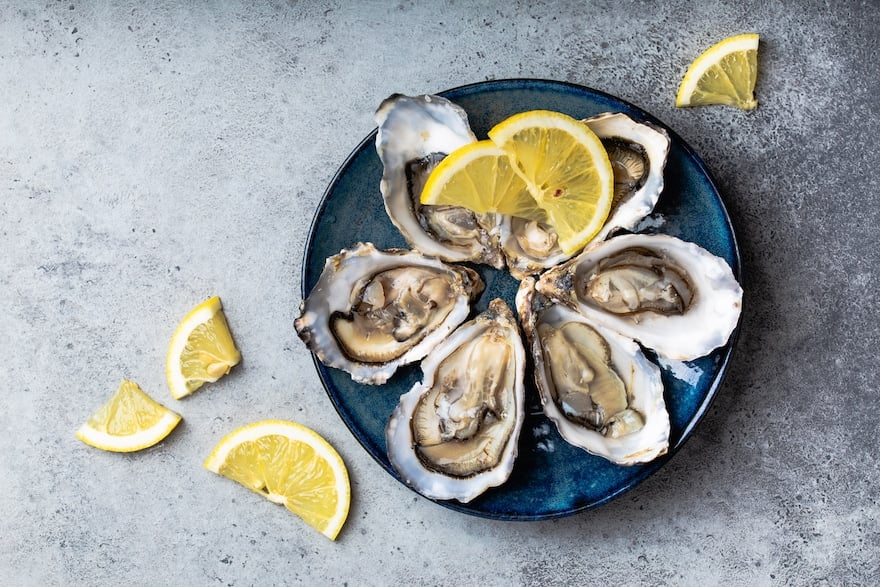
Despite our bodies not being able to produce zinc naturally, it’s widely available in most foods. “It’s important to note that zinc from whole grains and other plant-based foods are not best absorbed because phytates can interfere with absorption,” Grandberry says. “Phytates are found in grains and cereals and can impair the absorption of zinc if consumed at the same time.” If you’re hoping to fulfill your zinc intake with beans, for example, Grandberry says you should soak them in water for a couple of hours to decrease their phytate amount. However, there are lots of other foods where zinc is readily available. Some of the best zinc foods to eat are:
In North America, zinc deficiency is relatively rare. However certain groups may be at more risk: Globally, 17.3 percent of individuals are at risk for zinc deficiency, Granberry says. These groups include vegans, vegetarians, those pregnant and lactating, and those with digestive conditions that may lead to nutrient malabsorption.
Zinc deficiency symptoms include:
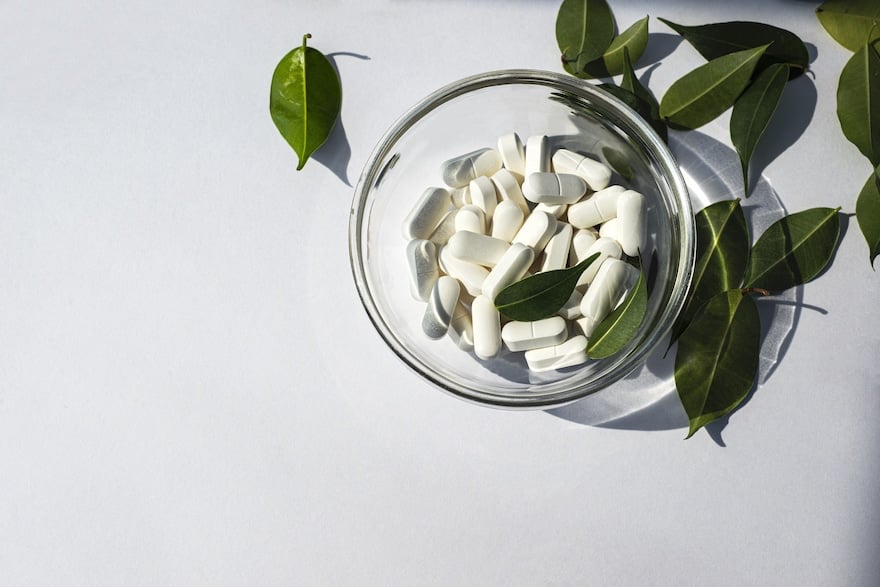
Supplementing with zinc can be helpful especially if you’re vegan, vegetarian, pregnant, lactating, or have issues with nutrient absorption. Grandberry says some vegans and vegetarians may require up to 50 percent of the RDA for zinc due to the lower bioavailability of zinc in plant foods.
Looking for a zinc supplement? HUM Nutrition offers a few supplements that can help you increase your daily intake. Read on to see which supplement would best support your health goals:
If you’re wondering what the ideal zinc daily dose is, Grandberry has the answer. “It’s best not to go over 40 milligrams of zinc per day, so keep that in mind when creating a supplement routine—and don’t forget to account for your food choices,” Grandberry says. “ If you have questions or concerns, reach out to your health provider to ensure you aren’t ingesting too much zinc.
But how much zinc is too much? It’s possible to go overboard with this mineral. If you take too much more than 40 milligrams of zinc, side effects can include nausea, vomiting, loss of appetite, stomach cramps, and diarrhea, according to the NIH.
“We usually recommend avoiding taking Daily Cleanse, Hair Sweet Hair, and Base Control together, as it’s over the upper limit of zinc,” Grandberry notes.
“Zinc boasts an impressive lineup of benefits—from internal immune support to external hair health,” Grandberry says. “Although clinically low levels of zinc are rare, it’s important to ensure you’re eating foods rich in zinc or supplementing as needed.”
The post Zinc Can Give You Glowing Skin, Healthier Hair, and a Stronger Immune System appeared first on HUM Nutrition Blog.
]]>The post Can You Actually Get Sick From Cold Weather? appeared first on HUM Nutrition Blog.
]]>“If you don’t put a coat on, you’re going to get sick!” Or, “Button up or you’ll catch a cold!” said your mom a thousand times when you were little. (You probably ignored her, and then if you did catch a cold, she gave you soup and told you she was right and to wear the coat next time.)
Winter is typically sickness season. Certainly, you can get sick at any time (raise your hand if you’ve ever fallen prey to the dreaded summer cold). However, the flu season peaks between December and February, according to the Centers for Disease Control and Prevention (CDC). Similarly, people are more likely to get colds during the winter and spring, they note. But does cold weather make you sick? Not exactly. While it’s true that you may be more likely to get sick in the winter, it’s not necessarily the cold weather that’s the main culprit.

There’s some preliminary evidence from mouse studies that suggest cooler temperatures may dampen your body’s natural virus-fighting defenses, allowing for a cold virus to more rapidly replicate, thus increasing the chances of getting sick, notes research in PNAS in 2015. But, that’s not all that’s going on.
“It’s not that a virus likes the cold, it’s simply more transmissible in cold weather,” says Robert G. Lahita, MD, PhD, professor of medicine at Rutgers New Jersey Medical School, director of the Institute for Autoimmune and Rheumatic Disease at St. Joseph Health and author of Immunity Strong. “All these different viruses thrive in the winter because this is the time when they’re easily spread from one person to the other,” he says.
While there’s definitely a correlation between cold weather and illness spikes, it’s not actually the cooler temperatures that are causing your sickness. So why do people get sick in the winter? There are a few other factors at play.
There are certain factors that make a virus more likely to bounce from person to person and infect them—one being collective closeness. “We’re more clustered together indoors when it’s cold out, and inside the airflow isn’t as significant as it is in the spring or summer,” says Dr. Lahita. You’re not throwing open your windows and getting a cross-flow of air that essentially blows away viral droplets in the air. And when you’re in an enclosed space with others—whether they’re friends and family or strangers waiting in line at the store—you’re more likely to breathe, cough, or sneeze on each other, he says. If someone is sick and coughs, sneezes, or talks around you, the virus can enter your body through your mouth, eyes, or nose and make you sick, says Mayo Clinic. It can also spread when you touch something that’s contaminated and then touch your mouth, eyes, or nose, as well.
If you’ve experienced a nose bleed during winter, know it’s very common. Your nasal passages are significantly drier in cold weather, which works against you for two reasons, says Dr. Lahita. Drier nasal passages cause people to sneeze more, which expels more of any virus they might have into the air. And the combination of cold outside air and heated indoor air creates arid environments that dry out the mucus in your nasal passages (which serves to protect you against pathogens). With defenses down and more viral droplets swirling in the air, you’re more likely to come down with the sniffles and sneezes.
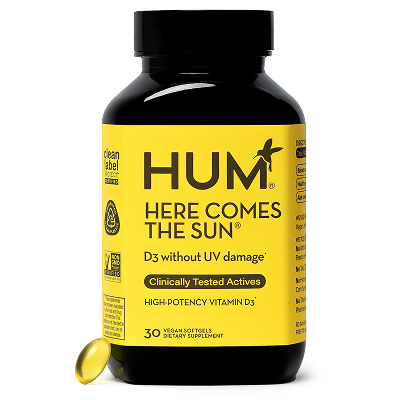
Along with supporting strong bones, vitamin D plays a role in our immune system’s health. Your skin uses sunlight to make vitamin D, notes the National Library of Medicine. But in the winter, the colder temperatures and shorter days can make that difficult (on top of the fact you’re likely staying inside more often because of the pandemic). The good news? You can also consume vitamin D from certain food sources, such as salmon and trout, UV-exposed mushrooms, fortified dairy and non-dairy products, and ready-to-eat cereal, according to the National Institutes of Health. But the NIH says the majority of people don’t get enough vitamin D from their diets. If you live in a northern climate where you’re getting less sun, there’s a risk you may be deficient, according to Harvard T.H. Chan School of Public Health—which can lead to a weakened immune system. To help bolster your immune defenses, try adding a vitamin D supplement (like HUM Nutrition’s Here Comes The Sun) to your routine.

Seasonal sickness is a real thing: You’re likely to catch two or three colds this year, according to the CDC. Colder temperatures only increase the likelihood of catching a winter cold (and other viruses, like the flu). But there are some lifestyle habits that can help stack the odds in your favor:
“Think of the virus as glitter on everything,” says Dr. Lahita. Glitter spreads everywhere, so it’s best to practice frequent hand washing or sanitizing. Clean your hands after you get home, before eating, and after going to the bathroom. For best results, rinse your hands under warm water, lather your hands with soap and scrub for 20 seconds before rinsing off and drying. Don’t feel like counting? Try singing the happy birthday song twice in your head instead. (Here’s exactly how to wash your hands properly.)
If you suspect you may be deficient in vitamin D (whether because you live in a Northern climate or know you don’t fill your diet with food sources of D), get your vitamin D levels checked first, says Dr. Lahita. This can be done with a simple blood test. If supplementation is recommended, HUM Nutrition’s Here Comes the Sun, a vitamin D3 supplement with 2,000 IU, may be a good choice for you.
Curling up on the couch binging Netflix sounds tempting in winter, but don’t let it get in the way of a full night’s sleep (which is essential for a zippy immune system). The CDC recommends that adults clock at least seven hours per night. People who snooze less than seven hours per night are more than two times more likely to develop a cold compared to those sleeping more, according to a study. Cutting sleep short dampens the body’s ability to fight off illness.
During the winter hibernation season, it’s normal to want to stay in rather than bundle up to get outside or head to the gym. Still, Dr. Lahita recommends 30 minutes of daily aerobic exercise to support immunity. Power walk or run in your neighborhood, pedal on a stationary bike, get on a rower, or take a virtual cardio class to get in this movement. The immune system responds profoundly to exercise, notes a review from Appalachian State University researchers. Over the short-term, exercise enhances the circulation of immune cells (like natural killer and T-cells) to buoy your body’s defenses and suppresses inflammation. In the long-run, these cells are better able to detect and seek out pathogens that could make you sick. Plus, exercise is a bona fide stress-buster, and stress has been shown to lower immunity.
About 70 percent of your immune cells are located in your gut. Eating an anti-inflammatory, fiber-rich diet, managing stress, exercising, sleep, and taking a probiotic (like HUM Nutrition’s Gut Instinct) can all help keep your gut healthy. If possible, you should avoid taking antibiotics to treat a viral infection like the cold or the flu, which can harm your microbiome and open you up to other infections, says Dr. Lahita.
Always being “on” can be detrimental to your health in multiple ways. Research has found that stress can weaken the immune system and make you more susceptible to infections. As such, taking a moment to slow down and relax is crucial for fighting off any cold-weather sickness. Dr. Lahita recommends yoga and meditation. These practices—as well as qi gong or tai chi—calm your brain, and mental and spiritual health regulates your immune system, he says.
The post Can You Actually Get Sick From Cold Weather? appeared first on HUM Nutrition Blog.
]]>The post Healthy Micro Habits to Boost Your Immune Health appeared first on HUM Nutrition Blog.
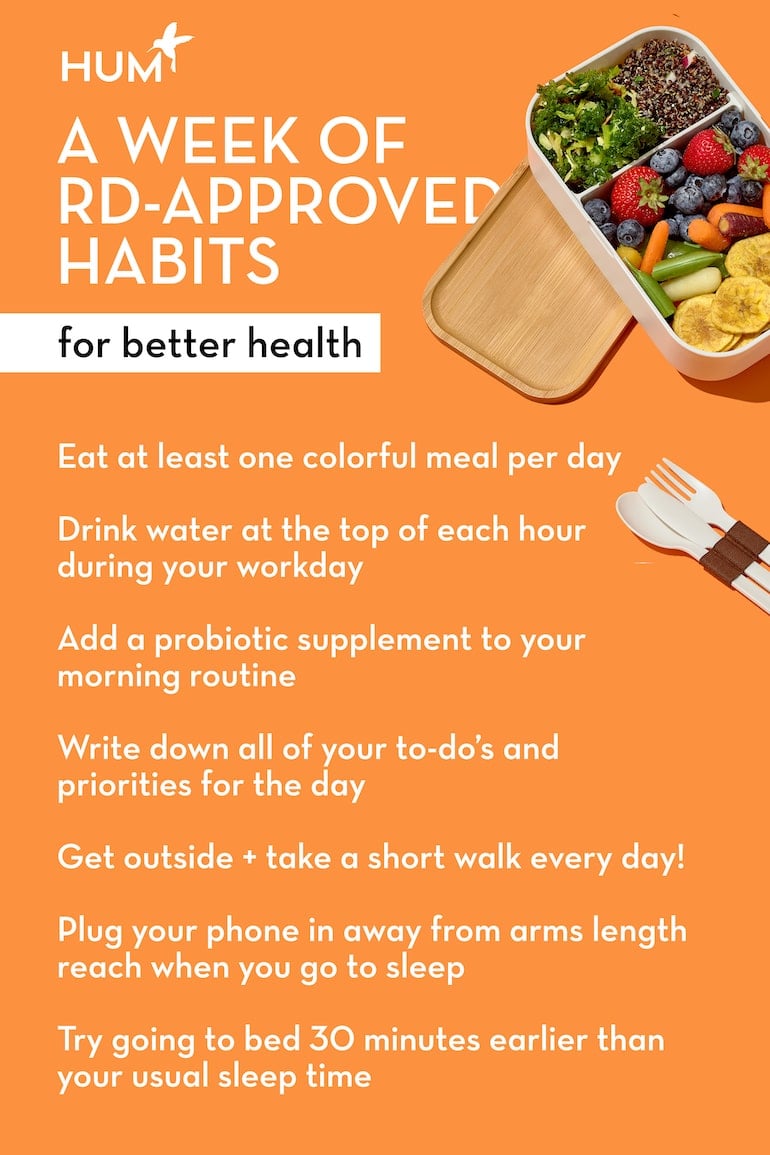
]]>Here, we’ll look at the four key pillars of immune health and share expert-recommended micro habits you can easily adopt. Think of them as forms of extra credit your immune system will appreciate!
Your immune system is complex and interacts with other systems in your body, like your nervous system and digestive tract. So if you want to boost your immune health, your approach should also be comprehensive. Be sure to pay attention to the following pillars of health to boost your immune system on a consistent basis.
Better yet, integrate micro habits for each pillar into your daily routine for the best results daily and over time.
Sticking to a healthy diet is one of the simplest yet most effective ways to support immune health.
A well-rounded nutrition plan complete with macronutrients (carbs, fats, and protein) and micronutrients (like vitamins and minerals) can positively impact the immune cell function. Conversely, a lack of balanced nutrients can weaken your defenses, so don’t underestimate the power of what you eat.
About 70 percent of immune cells reside in the gut, making gut health a clear pillar of immunity.
A healthy gut barrier not only protects your body against pathogens, but also produces antibodies and can help reduce inflammation.
In sum, a healthy gut equals greater immune function.
Stress negatively affects well-being in countless ways in both the present and long term.
The American Psychological Association (APA) cites pioneering research showing that stressed-out test-takers over a three-day period had fewer natural killer cells to fight pathogens. The onset of stress almost completely halted the production of immune-boosting gamma interferon, as well.
Over time, the APA also warns that stress “can ravage the immune system through too much wear and tear.” Stress weakens T cell response, which is an essential component of adaptive immunity.
While reducing stress is easier said than done, there are numerous options to help you stay calm, cool, and protected.
High-quality sleep is another major pillar of immunity.
Sleep improves immune health in several ways, such as by reducing the impact of stress, supporting T cell production and function, and helping to regulate inflammation. Getting enough quality sleep on a consistent basis can also reduce the likelihood of experiencing the common cold.
Immune health requires a team effort across multiple pillars to boost your defenses. Instead of taking action only once you start to feel under the weather, take a proactive approach by following these micro habits so their benefits can compound over time.
By taking a holistic approach to improving your overall health, you’ll know that you’ve aced your very own Immunity School test.
If you ever need a quick reminder to stay on top of your micro habits, be sure to save this infographic for future reference.
The post Healthy Micro Habits to Boost Your Immune Health appeared first on HUM Nutrition Blog.
]]>The post Why Quality Sleep Is Essential to Boost Your Immune System appeared first on HUM Nutrition Blog.
]]>

The post Why Quality Sleep Is Essential to Boost Your Immune System appeared first on HUM Nutrition Blog.
]]>The post 3 Dietitian-Approved Ways Elderberry Can Support Your Overall Health appeared first on HUM Nutrition Blog.
]]>

The post 3 Dietitian-Approved Ways Elderberry Can Support Your Overall Health appeared first on HUM Nutrition Blog.
]]>The post What Immunologist Dr. Payel Gupta Eats in a Day appeared first on HUM Nutrition Blog.
]]>
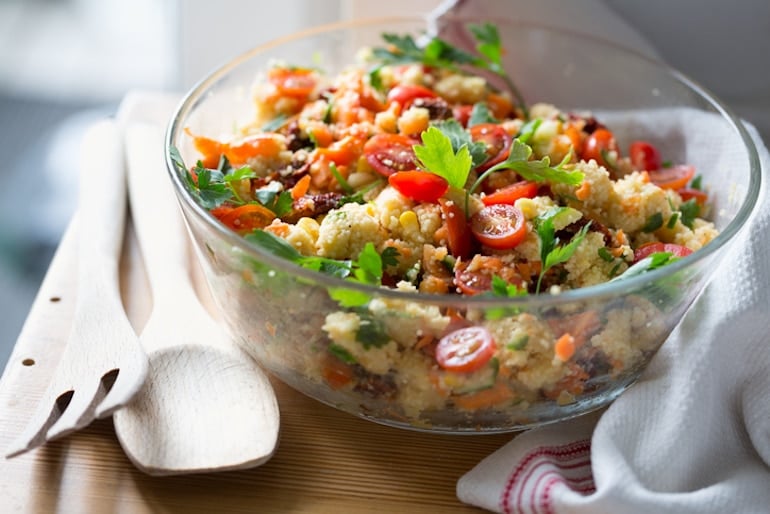
The post What Immunologist Dr. Payel Gupta Eats in a Day appeared first on HUM Nutrition Blog.
]]>The post How 4 Doctors Boost Their Immunity to Stay Healthy appeared first on HUM Nutrition Blog.
]]>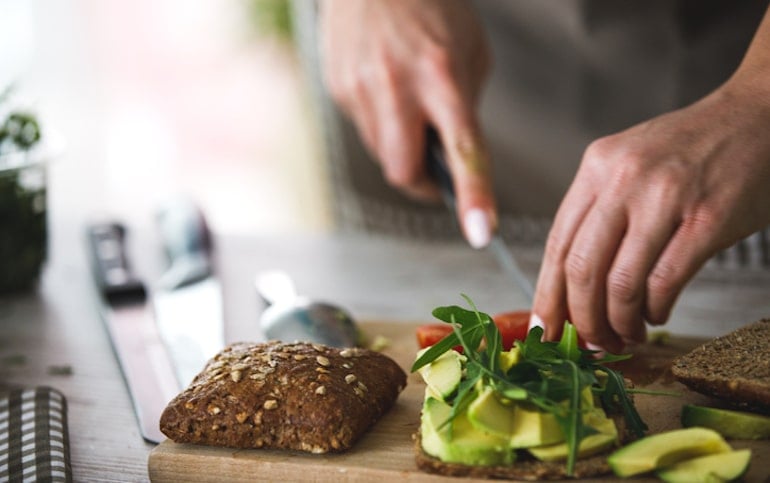 Wondering what foods are on Dr. Dew’s no-go list? She advises steering clear of:


The post How 4 Doctors Boost Their Immunity to Stay Healthy appeared first on HUM Nutrition Blog.
]]>